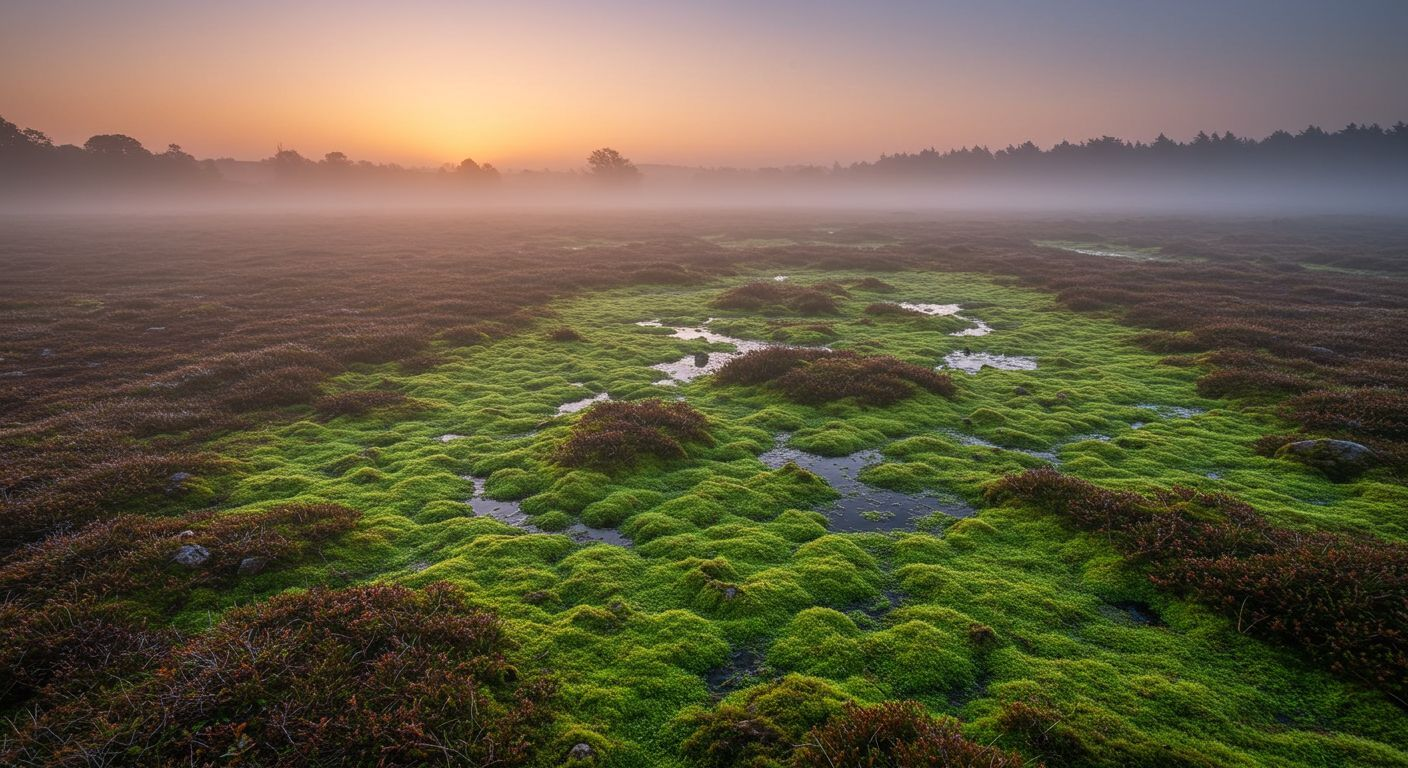
The UK government has just announced a ban on burning deep peatland across England. It’s a milestone moment: peatlands are some of the most important landscapes we have and for too long they’ve been treated as expendable.
Peat is often called England’s “Amazon rainforest” - a natural storehouse of carbon, water and life. It forms slowly, layer by layer, over centuries. Yet in minutes, burning can undo all that patient work: releasing carbon into the atmosphere, draining wetlands, destroying habitats for rare species like adders, toads and ground-nesting birds.
Until now, protections were patchy. Only peat deeper than 40 cm, and mainly in designated conservation areas, was safe. The new law changes that - expanding the ban to cover all peat over 30 cm deep, across more than 676,000 hectares. It’s a recognition that peatlands are too valuable to burn.
Bans and regulations are only the first step. Without enforcement and investment, little will change on the ground. Peat that has already been drained or burnt won’t heal on its own. Restoration (rewetting, replanting, rewilding) is the hard, hopeful work that comes next.
At LettsSafari, we believe laws should lead to landscapes alive with wildlife. That means:
The peat ban is a victory, but also an invitation. Protecting peat is about more than halting harm: it’s about giving nature space and time to repair. At LettsSafari, we see it as proof that change is possible and that restoration is not a dream, but a path already opening beneath our feet.
Peatlands remind us that nature’s work is patient and powerful. If we give it the chance, it will heal - and in healing, heal us too.
****************************************
Support our rewilding parks, get exclusive content of our projects and even receive expert tips to transform your garden, community, public or work spaces into a wildlife haven.
🌱 For every 10 new subscribers we plant a tree a year.
🦔 For every 100, we release an endangered animal.
🌳 And for every 10,000 we create a new rewilding safari park a year!
Make A Difference: Together We Can Rewild To Restore Nature.
Sign up TODAY
!
At LettsSafari, we know that rewilding doesn’t just belong in vast countryside estates or protected reserves. It can - and must - take root in our cities. That’s where the Urban Rewilder comes in.
The Urban Rewilder is passionate about turning concrete corners into green havens. They see the potential in a neglected verge, a shared courtyard, even a balcony. For them, every square metre can become a pocket of biodiversity – alive with pollinators, birdsong, and resilient native plants. Their joy lies in witnessing life return to the urban fabric: bees buzzing through window boxes, foxes finding safe routes, swifts swooping between rooftops.
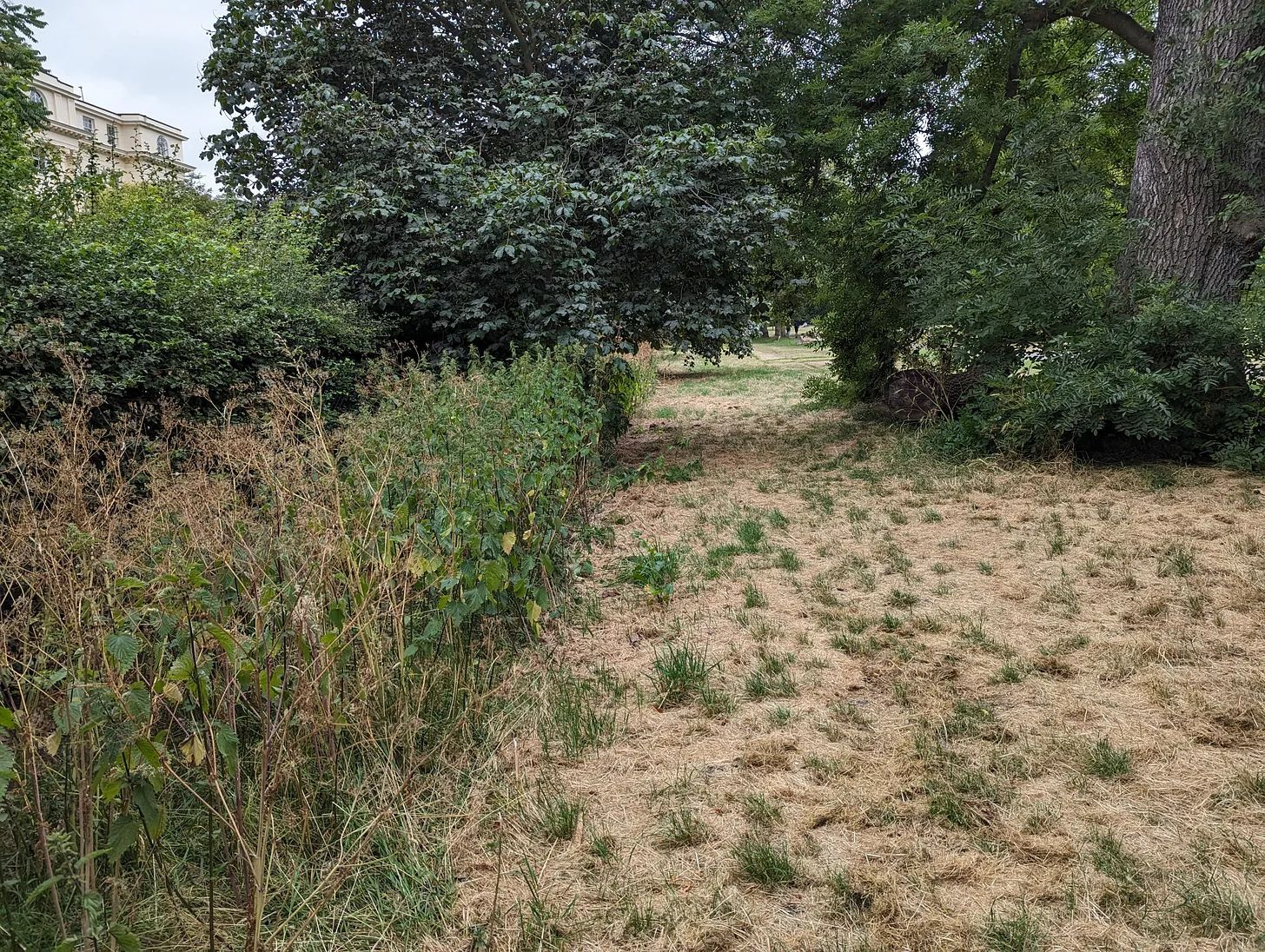
But urban rewilding isn’t always easy. Limited access to green spaces, lack of knowledge about what to plant, neighbours who see wildflower meadows as “messy” - these can all sap momentum. Add in financial constraints and local bureaucracy and even the most determined rewilding enthusiast can feel discouraged.
That's where LettsSafari steps in .
🌿 We provide accessible guides and rewilding tips designed for urban spaces – whether you’ve got a garden, a balcony, or just a few pots by the window.
🌿 Our subscription model supports rewilding in our parks
and
brings those lessons back to you, showing how small actions at home or work contribute to a bigger movement.
🌿 We connect you to a growing community of people rewilding their own patches, creating networks for sharing knowledge, resources and encouragement.
🌿 And by demonstrating the power of collective action, we advocate for greener, more nature-friendly cities.
Because at LettsSafari, we believe that a rewilded future won’t just be found in remote landscapes. It will be built in our streets, our gardens, our balconies – one patch at a time. Together with the nation's Urban Rewilders, we’re making nature part of everyday city life.
****************************************
Subscribe to LettsSafari
Support our rewilding parks, get exclusive content of our projects and even receive expert tips to transform your garden, community, public or work spaces into a wildlife haven.
🌱 For every 10 new subscribers we plant a tree a year.
🦔 For every 100, we release an endangered animal.
🌳 And for every 10,000 we create a new rewilding safari park a year!
Make A Difference: Together We Can Rewild To Restore Nature.
Sign up TODAY
!
England’s skies may soon see the return of one of the most iconic symbols of wilderness: the golden eagle. Absent from our landscapes for more than 150 years, these majestic raptors could be reintroduced thanks to a landmark feasibility study by Forestry England. The study confirms that northern England has enough suitable habitats and prey to sustain a viable golden eagle population. A discovery that has set the stage for one of the most exciting rewilding projects in recent memory.
Reintroducing golden eagles to England isn’t starting from scratch. Conservationists already have a proven model to follow, thanks to the South of Scotland Golden Eagle Project. When it began in 2018, the Scottish Borders and Dumfries and Galloway had just a handful of breeding pairs. Today, more than 50 golden eagles soar over the hills and glens, a remarkable recovery in just a few years.
The strategy has been careful and humane: young chicks from Scotland are raised with minimal human contact, placed in secluded release pens, and gradually encouraged to hunt for themselves. Supplemental feeding is phased out over time, allowing the birds to thrive independently in their new home. This approach has given conservationists the confidence that England could replicate the success.
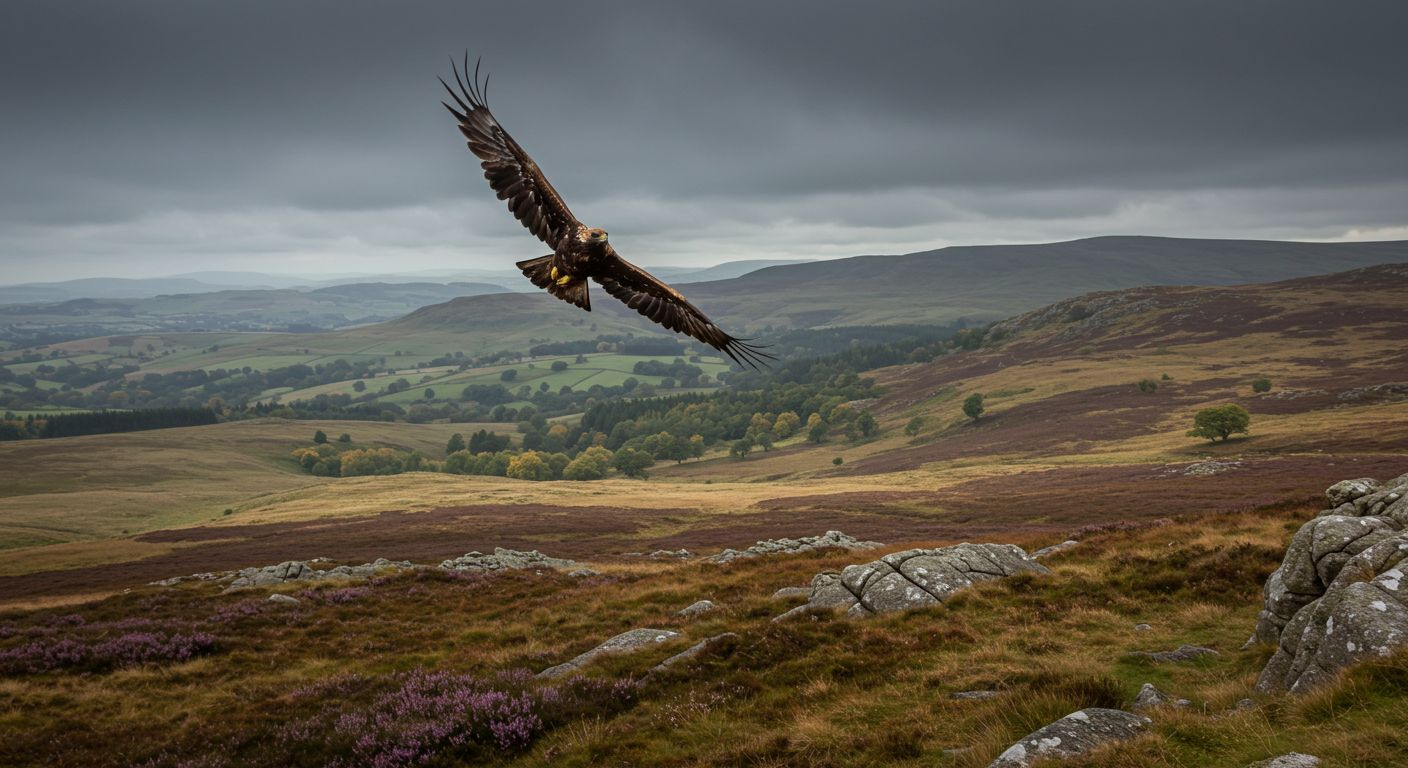
The golden eagle is more than a breathtaking sight on the wing. As an apex predator, it plays a vital ecological role. By hunting rabbits, hares, and grouse, golden eagles help regulate prey populations, preventing overgrazing and allowing vegetation to recover. This in turn creates more diverse habitats for insects, birds, and small mammals. In short, golden eagles are keystone species. When they return, the ecosystem beneath them becomes healthier and more balanced.
Their reintroduction would build on other wildlife comebacks across Britain: the spread of red kites, the return of beavers to rivers in Devon and Dorset, and the tentative discussions around lynx in northern England. Each story is proof that when humans make space for nature, nature responds with abundance.
The reintroduction of golden eagles will not be rushed. Defra and Natural England will oversee the process, ensuring that it follows strict IUCN guidelines for species reintroduction. This means carrying out detailed ecological impact assessments, consulting local communities, and ensuring that landowners and farmers are part of the conversation. The goal is to bring back eagles in a way that strengthens both nature and the communities who share the landscape with them.
At LettsSafari, we see the golden eagle’s return as part of a bigger story - the story of restoring wild Britain. Here’s how we contribute:
Creating habitats : Our safari parks and smaller scale rewilding projects develop the woodlands, wetlands and wild grasslands that raptors and other species depend on.
Driving collective action : Every LettsSafari subscription funds tree planting, habitat restoration and the reintroduction of wildlife. Together, we can support the ecological conditions needed for eagles to flourish.
Telling the story of nature’s return : Through LettsSafari+, we share exclusive updates, photography and videos from our projects. Imagine one day tuning in to see golden eagles nesting, hunting, and reclaiming their place in English skies.
The possible return of golden eagles is not just a conservation milestone - it’s a symbol of hope. It shows that the damage of the past does not have to dictate the future. With vision, persistence, and community action, we can restore wildness to our landscapes.
At LettsSafari, we’re proud to be part of this movement. Together, we can give nature the space to breathe, the chance to thrive, and, like the golden eagle, the freedom to soar once again.
****************************************
Subscribe to LettsSafari
Support our rewilding parks, get exclusive content of our projects and even receive expert tips to transform your garden, community, public or work spaces into a wildlife haven.
🌱 For every 10 new subscribers we plant a tree a year.
🦔 For every 100, we release an endangered animal.
🌳 And for every 10,000 we create a new rewilding safari park a year!
Make A Difference: Together We Can Rewild To Restore Nature.
Sign up TODAY
!
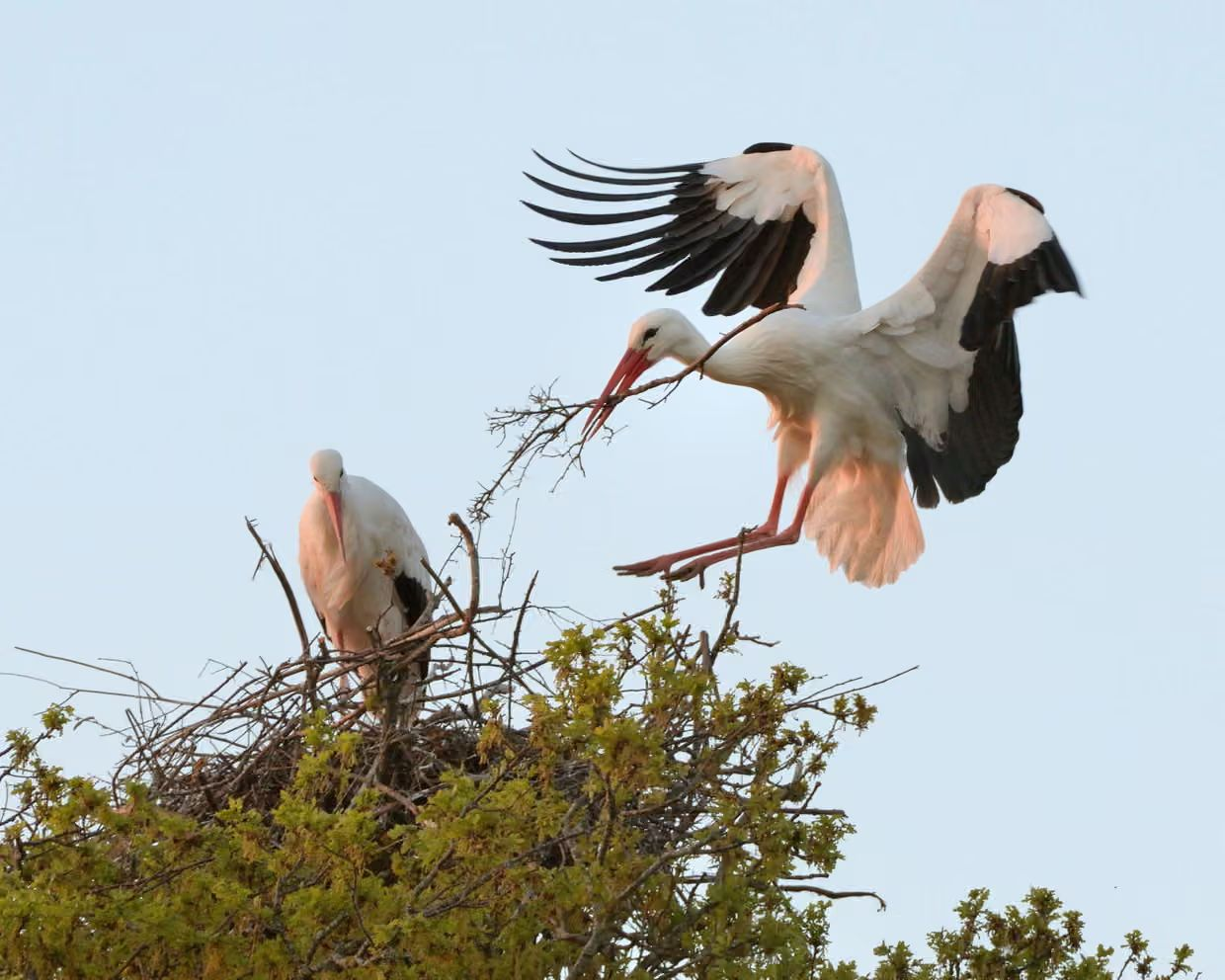
Imagine walking through a London park and spotting the elegant silhouette of a white stork soaring above. Once extinct in Britain, this iconic bird could soon return to the capital’s skies thanks to a bold new rewilding initiative.
Earlier this week, Citizen Zoo announced a groundbreaking project to explore the reintroduction of white storks to London . Building on the success of the White Stork Project in Sussex, where the birds bred in the wild for the first time in centuries in 2020, the team is now mapping potential habitats across the capital and inviting Londoners to help shape the future of this extraordinary comeback.
White storks once nested across Britain, but habitat loss and human persecution led to their disappearance over 600 years ago. Today, however, the tides are turning.
Thanks to efforts by rewilding pioneers, white storks are making a tentative return - first in Sussex, and now potentially in urban London. These majestic birds, often symbols of new beginnings, could soon become ambassadors for a new kind of urban ecology: one where people and wildlife coexist in the heart of our cities.
What makes this project special is its community-first approach . Rather than releasing birds and hoping for the best, Citizen Zoo is taking time to:
It’s rewilding done right: collaborative, thoughtful and rooted in public support.
At LettsSafari , we’re inspired by this kind of grassroots restoration. Our own work is about making rewilding accessible, whether in parks, private land, or even gardens and balconies.
Here’s how we’re contributing to the same mission:
Nature at Your Doorstep : Our rewilding subscription brings you along for the journey - restoring wildflower meadows, hedgerows, wetlands and woodlands that support birds like the stork.
Citizen Science in Action : We help everyday people become nature champions - tracking wildlife, planting for pollinators and learning how to restore biodiversity right where they live.
Inspiring the Next Generation : Through stories like this one, we show that rewilding isn’t just for remote landscapes - it’s for cities, suburbs, and streets, too.
Bringing back white storks is about more than restoring a bird, it’s about restoring imagination . What if our cities weren’t just grey zones of concrete and traffic, but living ecosystems teeming with life? What if rewilding was part of everyday life - from the rooftops to the rivers?
That’s the world we believe in at LettsSafari. And that’s the kind of future we’re building. One sapling, one pond, one stork at a time.
Support our rewilding parks, get exclusive content of our projects and even receive expert tips to transform your garden, community, public or work spaces into a wildlife haven.
🌱 For every 10 new subscribers we plant a tree a year.
🦔 For every 100, we release an endangered animal.
🌳 And for every 10,000 we create a new rewilding safari park a year!
Make A Difference: Together We Can Rewild To Restore Nature.
Sign up TODAY
!
In the heart of Bristol, a quiet revolution is unfolding. Not the loud kind of protest or policy change but a gentle, powerful act of community-led rewilding. The residents of Lockleaze, a suburb just north of the city centre, are breathing new life into forgotten spaces. Their initiative, Really Wild Lockleaze , is transforming the neighbourhood’s patchwork of urban green space into a thriving, connected haven for wildlife and a balm for the human soul.
Backed by the Lockleaze Neighbourhood Trust and partly funded by the National Lottery’s Community Climate Action Partnership, this project is turning concern into action. Faced with the threat of losing green space to housing development, residents didn’t just rally, they planted.
More than 1,600 square metres of woodland , 170 metres of hedgerow , and five ponds later, Lockleaze is blooming. Wildflowers spill out onto the pavements, fruit trees dot residential corners, and hidden plots behind sports centres are now alive with biodiversity. Volunteers are even monitoring wildlife, including bees and birds, to track the recovery of nature on their doorstep.
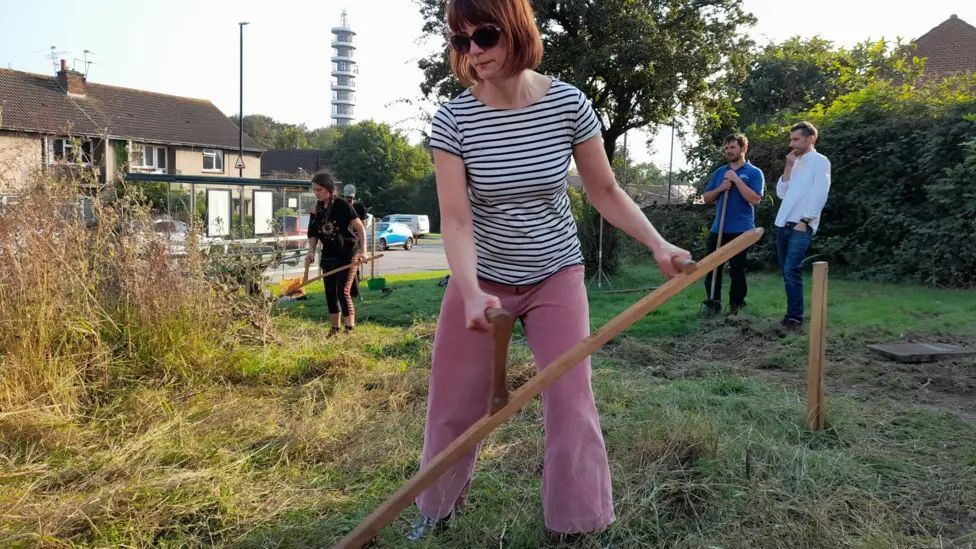
But this is about more than just plants and pollinators.
As Laura Tarlo-Ross from the Trust puts it “Many hands make light work.”
Really Wild Lockleaze is stitching together isolated patches of land into something bigger, what ecologists call a connected habitat . These green corridors link homes to hedgerows, parks to ponds, and people to purpose. In fact, the project benefits from a unique location: nestled between Stoke Park and a railway line, Lockleaze accidentally sits along a natural corridor for wildlife. This effort is simply helping nature find its way again.
According to the Bristol One City Ecological Emergency Strategy , populations of common songbirds like swifts and starlings have plummeted by over 96% since the 1990s . That’s a shocking figure and one mirrored across the UK. But Lockleaze shows that communities don’t have to wait for top-down change. They can lead.
At LettsSafari , we champion this grassroots approach. Our rewilding parks, gardens and subscription-based tips empower people everywhere to rewild the land they love, no matter how small. Whether you’re restoring a corner of your garden or joining forces with neighbours like the Lockleaze crew, your actions ripple outwards.
The beauty of the Lockleaze story is its accessibility . You don’t need vast estates or scientific expertise to make a difference. You just need vision, community spirit and a few spades in the soil.
That’s what LettsSafari is all about - making rewilding doable for everyone. One hedge at a time. One pond at a time. One street at a time.
Support our rewilding parks, get exclusive content of our projects and even receive expert tips to transform your garden, community, public or work spaces into a wildlife haven.
🌱 For every 10 new subscribers we plant a tree a year.
🦔 For every 100, we release an endangered animal.
🌳 And for every 10,000 we create a new rewilding safari park a year!
Make A Difference: Together We Can Rewild To Restore Nature.
Sign up TODAY
!
What do beavers, water voles and “wiggly” rivers have in common? They’re all making a comeback right in the heart of London. In a powerful shift from concrete to canopy, a series of ambitious urban rewilding projects are transforming the capital into a haven for wildlife and people alike.
The story begins at Paradise Fields in Ealing, where two beavers, affectionately named Woody and Willow, have taken up residence. These charismatic creatures, once extinct in Britain for centuries, are doing far more than gnawing on tree trunks. They’re engineering wetlands that reduce flood risk, boost biodiversity, and even unearth long-lost litter prompting spontaneous clean-ups by volunteers. Their damming of Costons Brook is creating new habitats for frogs, dragonflies, and birds while capturing the imagination of local communities.
And it’s not just the beavers. Across the city, more than 40 urban rewilding projects are being supported by the Greater London Authority. One of the boldest moves involves the “rewiggling” of rivers—restoring their natural meandering paths after decades of being forced into straight, lifeless channels. In places like Ladywell Fields and the River Quaggy, rewiggling is already revitalising ecosystems and giving wildlife room to roam.
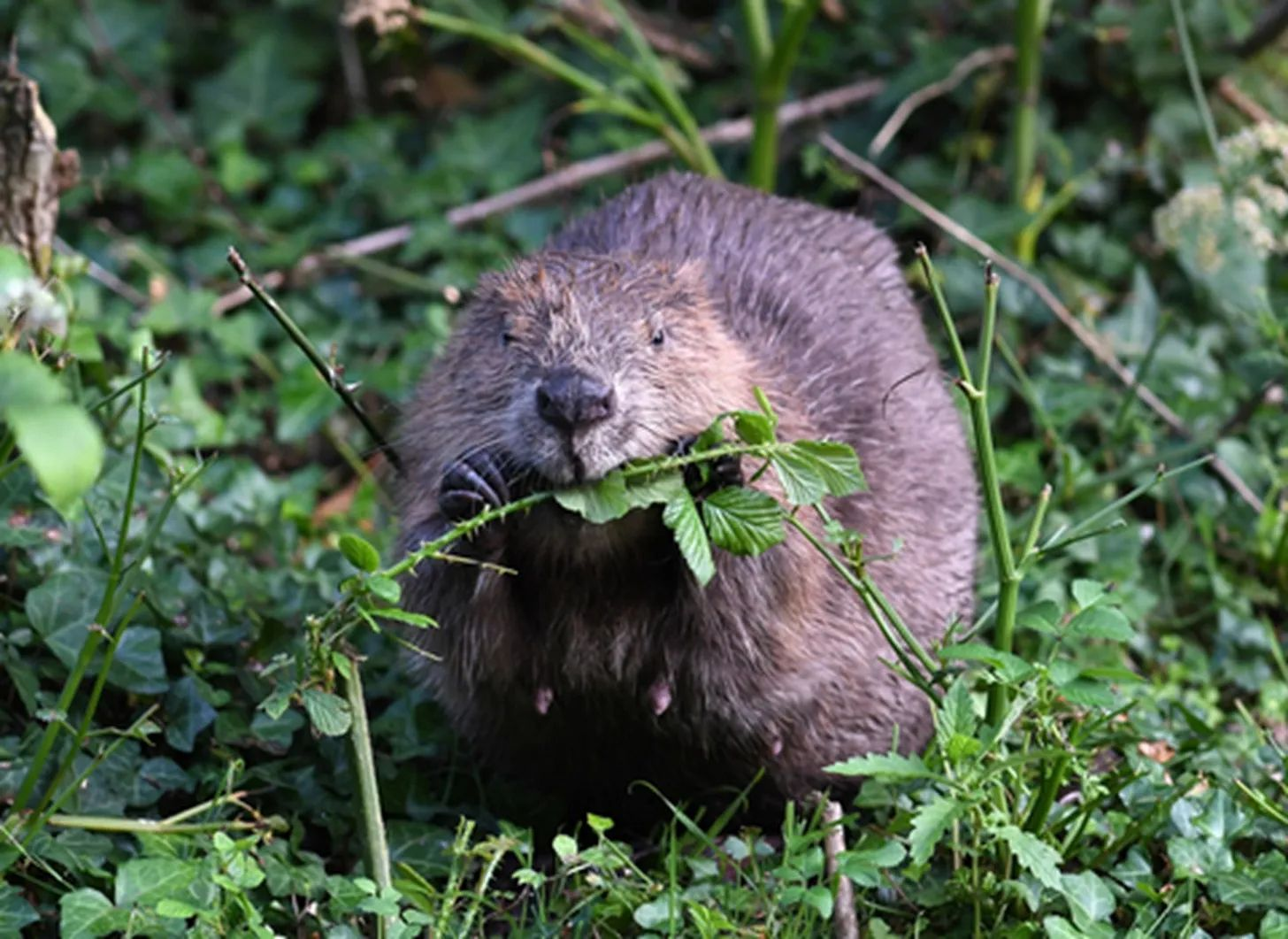
At LettsSafari, we believe that rewilding shouldn’t be reserved for remote landscapes or private estates. Nature belongs in the city just as much as in the countryside. And the resurgence of wild projects across London proves it’s possible.
We’re here to:
Inspire local action : Through storytelling and education, we highlight how every park, garden, or roadside verge can become a pocket of wild.
Support community rewilders : We equip our subscribers with tips and tools to rewild their own spaces—balconies included.
Champion small-scale restoration : The same natural principles guiding London's rewilding—diverse planting, water management, habitat creation are embedded in our Safari Parks and our home-rewilding guides.
From beavers to wildflowers, every success story offers a roadmap for what we can all do no matter where we live. If the UK’s largest city can welcome back species once written off as extinct, what could your own neighbourhood achieve with a little vision and support?
London’s rewilding revolution is more than an environmental story. It’s a social one. It shows what’s possible when we see cities not just as built environments, but as living systems. At LettsSafari, we’re proud to be part of this movement, helping people restore, reimagine and reconnect with the wild wherever they are.
Join us in making room for wildness in London, and beyond.
Support our rewilding parks, get exclusive content of our projects and even receive expert tips to transform your garden, community, public or work spaces into a wildlife haven.
🌱 For every 10 new subscribers we plant a tree a year.
🦔 For every 100, we release an endangered animal.
🌳 And for every 10,000 we create a new rewilding safari park a year!
Make A Difference: Together We Can Rewild To Restore Nature.
Sign up TODAY
!
Summer festivals bring joy, music and community, but they can also bring serious environmental disruption. From flattened fields to abandoned tents, the impact on local ecosystems is often overlooked in the excitement of the weekend.
When thousands of people descend on green spaces, the effect on wildlife and ecosystems can be significant. Trampled vegetation, disrupted animal habitats, plastic pollution, noise, and light pollution can all drive species away, sometimes permanently. Even something as simple as loud music can alter the movement and feeding patterns of birds and small mammals.
Take Boomtown , for example, a legendary immersive festival hosted in the South Downs National Park in Hampshire. It brings in tens of thousands of people every summer, transforming quiet fields into a vibrant temporary city. The atmosphere? Magical. But the impact on nature? Often overlooked.
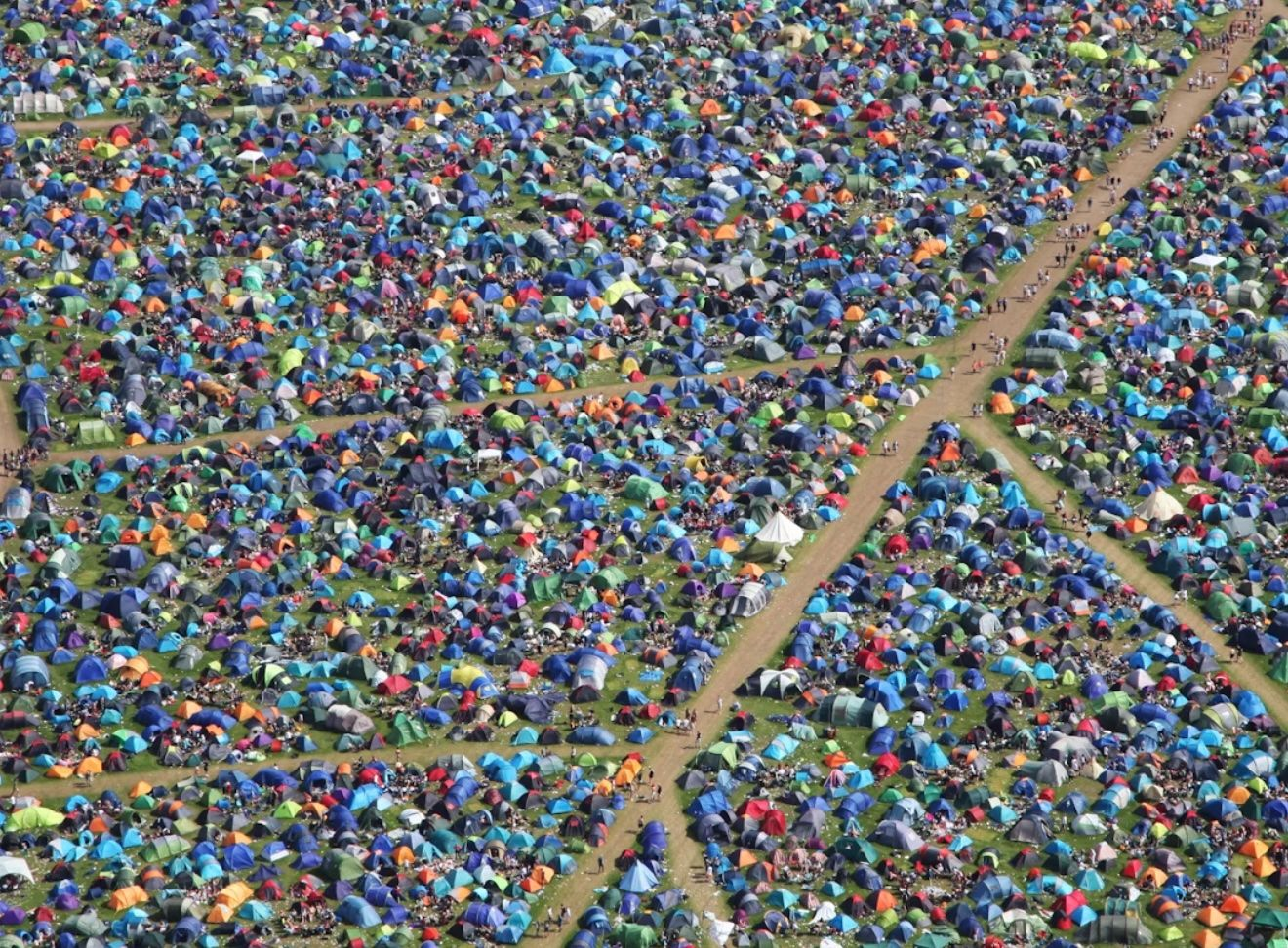
When you bring 70,000+ people onto grassland, woodland, or farmland, the pressure on the environment is huge.
Soil gets compacted, which might sound harmless, but it reduces its ability to absorb water and grow plants.
Trampled vegetation means fewer flowers for pollinators and less cover for small animals.
Wildlife is driven away by noise, lights, and constant foot traffic. Ground-nesting birds, foxes, badgers, hedgehogs, and even insects can all be affected.
Waste left behind, especially plastics, glitter, and abandoned tents, pollutes the land and can be deadly for animals.
Even biodegradable items take time to break down. Something as simple as glitter from a makeup look or a dropped cigarette butt linger in the ecosystem far longer than the festival itself.
A lot, actually, and it doesn’t need to ruin the fun.
Take everything home. That tent you leave behind? It’s probably not getting reused. Most go straight to landfill.
Choose reusables. Bring a refillable water bottle, cutlery, and a sturdy cup. It cuts down on single use waste massively.
Use biodegradable glitter or skip it altogether. And leave no trace, that includes cigarette butts, baby wipes, and food packaging.
Respect the land. Stay on marked paths, avoid trampling wildflowers or setting up camp in sensitive areas, and treat the space as borrowed, not disposable.
Small acts, multiplied by thousands of people, make a huge difference.
To be fair, Boomtown has already made progress. Their Eco Bond system encourages people to clean up after themselves, offering £20 in exchange for two full bin bags. They promote greener travel options and have worked to reduce plastic on site. But as festivals grow, so does the need to push harder.
Organisers can:
Ban more single use items across food stalls and bars
Make recycling, composting, and water refill stations unavoidable, not just optional
Work with local wildlife experts to identify sensitive habitats and protect them
Offset carbon in meaningful ways by partnering rewilding initiatives like LettsSafari. Imagine every ticket sale funding the planting of wildflower meadows, the restoration of hedgerows, or the protection of pollinators.
Communicate sustainability clearly and creatively, so it feels like part of the culture, not just a rule.
A festival that actively protects its site becomes even more special, a space people want to return to and preserve.
Nature doesn’t exist just to host us once a year. The fields we dance in are home to ecosystems trying to survive, and festivals can either help or hurt that survival.
By bringing sustainability into the culture of festivals, we can shift mindsets. Not with shame or guilt, but with awareness. People genuinely care once they understand the impact.
At LettsSafari, we want festivals to continue, full of joy, noise, wild costumes, and creativity. But we also want the land they borrow to still be alive, buzzing, and biodiverse when we come back next year.
****************************************
Subscribe to LettsSafari
Support our rewilding parks, get exclusive content of our projects and even receive expert tips to transform your garden, community, public or work spaces into a wildlife haven.
🌱 For every 10 new subscribers we plant a tree a year.
🦔 For every 100, we release an endangered animal.
🌳 And for every 10,000 we create a new rewilding safari park a year!
Make A Difference: Together We Can Rewild To Restore Nature.
Sign up TODAY
!
On a recent episode of BBC Radio 4’s Today programme, Dr Rob Stoneman of The Wildlife Trust shared a vision that could transform Britain’s wild spaces: the reintroduction of the Eurasian Lynx. Extinct in the UK for hundreds of years, this shy and elusive forest cat - about the size of a slim Labrador, with golden fur and striking black tufts - could once again roam the woodlands of Northumberland.
It’s an idea rooted in both ecological science and public consultation. After years of research, the Wildlife Trust found that 72% of local residents support the return of lynx to their landscapes. Why? Because species reintroduction isn’t just about one animal – it’s about restoring balance.
The lynx is a natural predator of deer. As Dr Stoneman explained, deer can overgraze woodlands, stripping young trees and plants before they have a chance to grow. When a predator like the lynx is present, deer move more cautiously and graze more selectively. This "landscape of fear" leads to more diverse, resilient woodlands – havens for birds, insects, fungi, and other wildlife.
It’s a perfect example of trophic rewilding – letting nature’s own systems do the work of restoration.
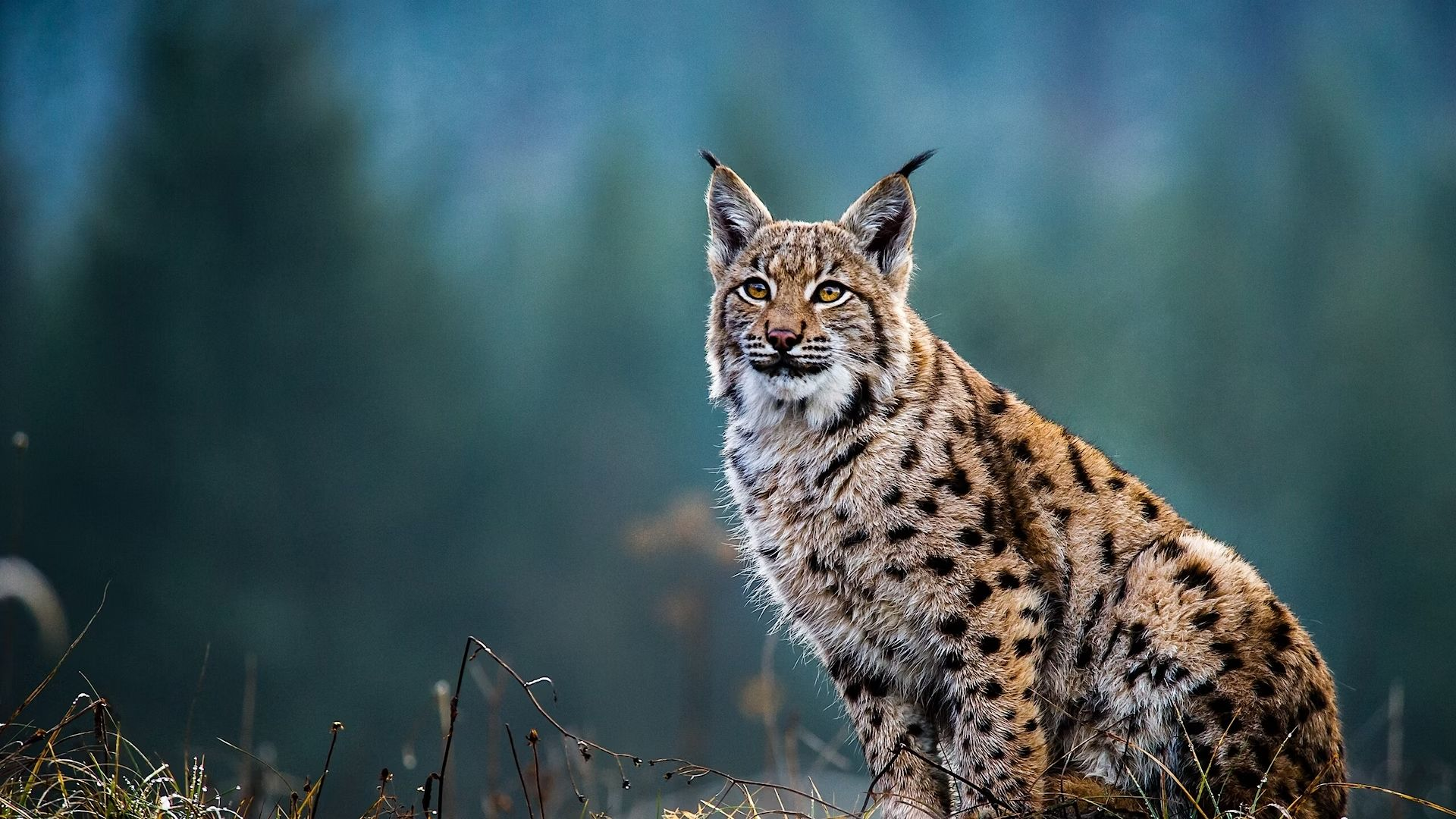
Concerns from sheep farmers are valid, and the Wildlife Trust has tackled them head-on. Evidence from countries like Slovenia and Croatia shows that lynx predation on sheep is extremely rare – just one or two sheep per year, if any. That’s because lynx are forest hunters, and sheep in the UK typically graze in open fields. Still, steps are being taken to work with farmers, create safeguards, and offer reassurance.
And then there are the potential upsides: eco-tourism. Places that host lynx, even if they’re rarely seen, report increased visitor numbers. People are drawn to the idea of wilderness reborn. They come for the stories, the possibility, the magic.
At LettsSafari, we’re championing the return of native species in our own way. From small-scale rewilding parks to community-led biodiversity projects, we believe in rebuilding nature’s web – one habitat at a time.
While we don’t have lynx (yet!), the principle is the same. Reintroducing keystone species whether it’s a wildflower that feeds pollinators, a hedgehog that eats garden pests, or a beaver that reshapes waterways strengthens the whole ecosystem.
Nature works in layers, and every species counts.
Dr Stoneman called it “bringing back part of the jigsaw of life.” And that’s exactly it. The lynx may be elusive, but its impact could be profound – on the land, on local economies, and on our shared connection with the wild.
LettsSafari is proud to be part of this growing movement. Whether it’s a lynx in Northumberland or a hedgerow in your garden, rewilding works. And the time to act is now.
Support our rewilding parks, get exclusive content of our projects and even receive expert tips to transform your garden, community, public or work spaces into a wildlife haven.
🌱 For every 10 new subscribers we plant a tree a year.
🦔 For every 100, we release an endangered animal.
🌳 And for every 10,000 we create a new rewilding safari park a year!
Make A Difference: Together We Can Rewild To Restore Nature.
Sign up TODAY
!
Something extraordinary happened in Cambridgeshire last month. After a year-long restoration of Burwell Fen, part of the National Trust’s Wicken Fen Nature Reserve, the land was finally re-wetted. Within just a few hours, something magical occurred - cranes, great egrets, snipe and other rare wetland birds returned.
Nature didn’t hesitate. It knew what to do.
This story is more than a local conservation success. It’s a powerful symbol of what’s possible when we give nature the right conditions to recover. And at LettsSafari, it’s exactly the kind of restoration journey we live for.
Peatlands are some of the UK's most carbon-rich ecosystems , but they’ve been drained, dug, and damaged for decades. In their dry state, peatlands become carbon sources rather than sinks, contributing to climate change rather than mitigating it. But when re-wetted and restored, they not only lock in carbon but also revive ecosystems at astonishing speed.
That’s what Burwell Fen shows us: within hours of the land’s rewetting, life came rushing back . The return of cranes (a species once extinct in Britain) is a stunning indicator that healthy wetlands can once again become thriving habitats.
Even more astonishing? The peat diggers uncovered the fossilised trunk of a 5,000-year-old oak tree , preserved in anaerobic conditions. This oak, possibly felled by rising seas in the Neolithic era, reminds us how intimately peat holds our history as well as our climate future.

At LettsSafari, we know that nature recovery doesn’t have to be confined to large reserves. The Wicken Fen miracle is inspirational, but it also shows the potential for every community - urban, suburban or rural - to play a role in bringing back biodiversity.
Here’s how we’re doing that:
Micro-rewilding with macro-impact : LettsSafari’s rewilding subscription model supports local-scale projects - from wildlife ponds and pollinator gardens to mini-meadows and hedge corridors. It’s proof that even a small space can create a big difference.
Live storytelling : Just like watching the cranes return, we help people witness rewilding results in real-time through photos and digital storyboards that show the change over weeks, months and years.
Education and tools for action : We provide simple step-by-step guides so people can rewild their gardens, schools, and parks - one tree, one wildflower patch, one pond at a time.
Corporate and community programs : Our GreenTeam offering helps companies fund restoration while giving employees the chance to connect with nature and contribute directly to biodiversity gains.
Wicken Fen reminds us that nature is ready to come back, not just in remote reserves, but everywhere. All it needs is a little help, a little patience and a lot of love.
LettsSafari exists to help you be part of that comeback. Whether you're restoring a garden, or planting your first wildflower window box, you're joining a movement that proves something vital: Nature never forgets how to thrive. We just have to give it the space.
Subscribe to LettsSafari
Support our rewilding parks, get exclusive content of our projects and even receive expert tips to transform your garden, community, public or work spaces into a wildlife haven.
🌱 For every 10 new subscribers we plant a tree a year.
🦔 For every 100, we release an endangered animal.
🌳 And for every 10,000 we create a new rewilding safari park a year!
Make A Difference: Together We Can Rewild To Restore Nature.
Sign up TODAY
!
The River Dee’s Salmon Crisis – and the Unlikely Hero
In the cold, fast-flowing waters of Scotland’s River Dee, a silent crisis is unfolding. Atlantic salmon, once thriving in these rivers, are now teetering on the brink of extinction. Rising water temperatures, caused by climate change and deforestation, have pushed the salmon’s fragile ecosystem to the edge. These remarkable fish, famed for their epic journeys from ocean to river to spawn, are facing a future that’s warming too quickly to survive.
But there is hope and it comes from the trees.
As The Guardian reports , ecologists, landowners, and conservationists are turning to reforestation as a lifeline for Scotland’s salmon. By planting native trees along riverbanks, they're creating “green shade” to cool the water, prevent erosion, restore habitats, and rebalance local ecosystems. In the River Dee catchment, this is more than an experiment. It's a race against time.
Nature’s Interconnected Web
The project in the River Dee is a powerful reminder of nature’s intricate balance and the role trees play in stitching it back together. Trees are not just carbon sinks or scenic backdrops. They are habitat architects, hydrologic regulators, and climate buffers. When planted with purpose, they can transform ecosystems from the roots up.
That’s the kind of change LettsSafari is built to support.

How LettsSafari Helps – One Tree, One Habitat at a Time
At LettsSafari, we’re restoring wild spaces across the UK, one small rewilding project at a time. Like the River Dee initiative, we believe the answer to our biodiversity crisis is to work with nature, not against it. Every time a LettsSafari subscriber supports a rewilding project, they help us plant native trees, protect rivers, and rebuild wildlife habitats. Whether it’s in a city park, a country estate, or a suburban garden.
Our work may not yet be as vast as Scotland’s great glens, but it’s deeply connected to the same mission: cooling rivers, restoring habitats, and giving endangered species from birds and bees to salmon and voles a fighting chance.
Collective Action Starts with Us
The lesson from the River Dee is clear: nature has the tools to heal itself if we give it space, time, and support. Rewilding isn’t just about saving species in remote landscapes. It’s about how we manage every piece of land, including our own. It’s about restoring shade, shelter, and song back to our rivers and our lives.
LettsSafari is here to empower that action.
Whether you subscribe, gift a membership, or simply follow along—you're helping to bring trees back to riverbanks, life back to the land, and balance back to our ecosystems.
Let’s rewild together, before it’s too late.
Subscribe to LettsSafari
Support our rewilding parks, get exclusive content of our projects and even receive expert tips to transform your garden, community, public or work spaces into a wildlife haven.
🌱 For every 10 new subscribers we plant a tree a year.
🦔 For every 100, we release an endangered animal.
🌳 And for every 10,000 we create a new rewilding safari park a year!
Make A Difference: Together We Can Rewild To Restore Nature.
Sign up TODAY
!
