What was once seen as unconventional - a “wild” garden - is now reshaping how the UK thinks about nature.
Inspired in part by figures like David Attenborough , a growing number of households are moving away from pristine lawns and toward something more alive: gardens designed for nature, not just neatness.
Across the UK, from city balconies to suburban back gardens, people are:
The result? Small spaces are becoming powerful ecosystems - supporting pollinators, birds and even mammals in places once considered ecological deserts.
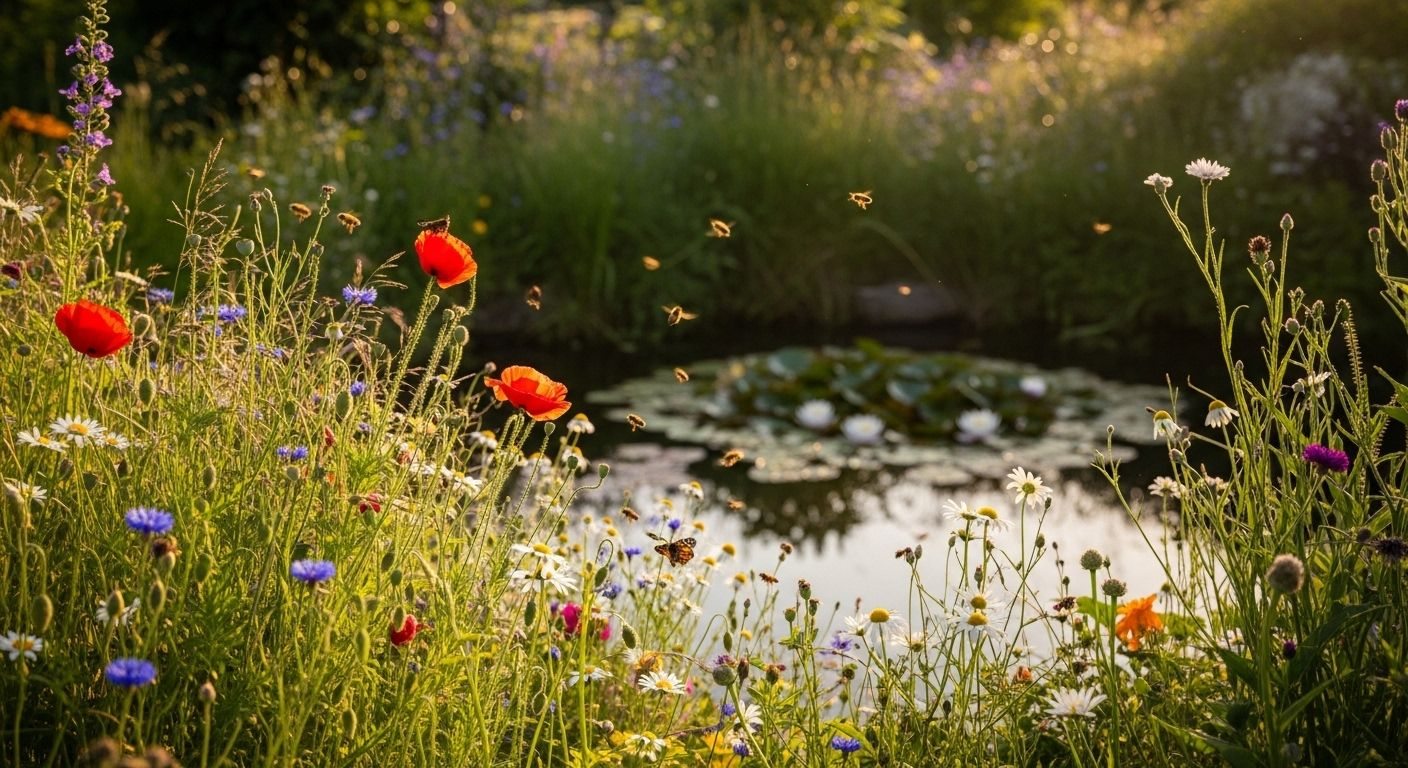
Here’s an interesting fact: UK gardens collectively cover more land than all the country’s nature reserves combined.
That means the future of biodiversity isn’t just in national parks - it’s in millions of individual decisions made at home.
Each garden, balcony, or shared green space becomes:
This is urban rewilding at its most powerful: decentralised, democratic and scalable.
For most people, the idea of rewilding their space is compelling, but unclear. Questions quickly follow:
Without guidance, rewilding can feel like a leap into the unknown.
This is exactly where LettsSafari changes the game.
Instead of rewilding being abstract or overwhelming, LettsSafari makes it:
Through a subscription, you’re not just learning - you’re actively supporting:
And crucially, you’re bringing that same philosophy into your own garden.
Because the real breakthrough isn’t just funding rewilding elsewhere - it’s turning millions of small spaces into a national nature network.
The idea of a “perfect garden” is changing. Where once it meant control, symmetry, and tidiness now it’s about life, movement and resilience.
And that shift matters.
Because if enough people take small steps (planting, pausing, letting nature in) we don’t just improve individual gardens. We rebuild ecosystems.
****************************************
Subscribe to LettsSafari
Support our rewilding parks, get exclusive content of our projects and even receive expert tips to transform your garden, community, public or work spaces into a wildlife haven.
🌱 For every 10 new subscribers we plant a tree a year.
🦔 For every 100, we release an endangered animal.
🌳 And for every 10,000 we create a new rewilding safari park a year!
Make A Difference: Together We Can Rewild To Restore Nature.
Sign up TODAY
!
****************************************
LettsSafari is a UK-based subscription platform that funds smaller-scale rewilding projects while giving members practical ways to rewild their own spaces.
Not at all. Even a balcony or small patio can support biodiversity with the right approach.
You get updates from real rewilding projects, plus simple, actionable tips to apply at home.
Your contribution helps fund tangible outcomes - from planting trees to releasing wildlife and opening new rewilding spaces.
Yes. When combined across thousands of people, small actions create large-scale ecological change.
Today we begin serialising LettsSafari's definitive guide to garden rewilding — looking at how every garden can become a living nature reserve. We examine habitats, flaura and fauna, including guides, tables and tips for Britain, Northern Europe and North-East North America.
We are publishing LettsSafari's latest book first and exclusively at LettsSafari+ — week by week, chapter by chapter, section by section. We hope you will enjoy reading it as much as we have enjoyed putting it together. Garden rewilding is a journey. We're excited to share our journey with you through "The Nature Reserve Next Door: How to Turn Any Garden Into a Wildlife Sanctuary".
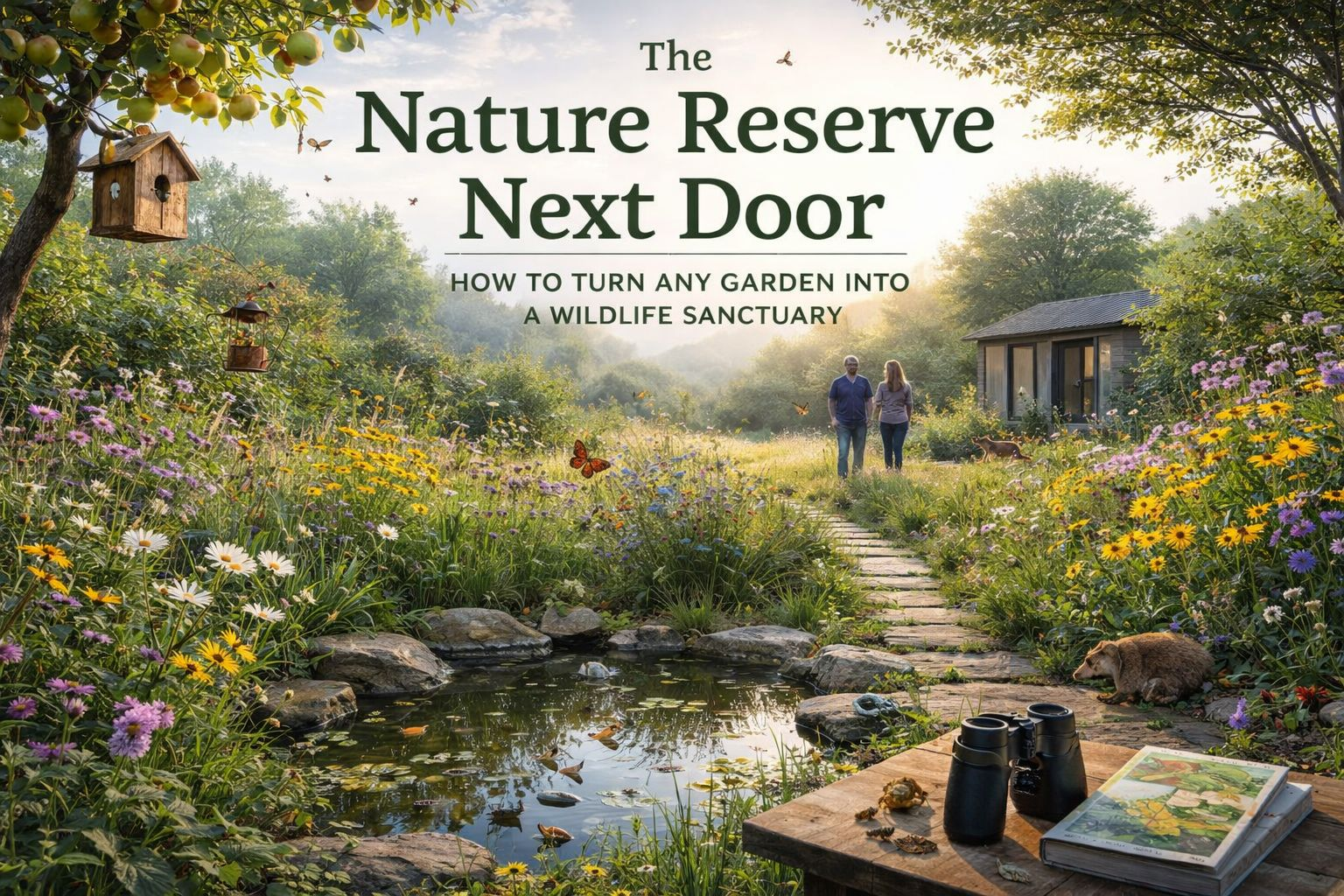
We start with the book's Contents so you know what to expect over the coming weeks and months, followed by the Introduction.
Introduction: The Journey Starts Here
Chapter One: What Is Garden Rewilding?
Chapter Two: Why Rewilding Your Garden Is the Right Thing to Do
Chapter Three: The LettsSafari Design Method
Chapter Four: Habitat Modules — Building the Mosaic
4.1 Wild Grasses and Mini-Meadows
4.2 Wildflower and Pollinator Beds
4.3 Shrubs, Scrub, and the Wild Corner
4.4 Trees, Hedges, and Climbers
4.5 Pond, Bog, and Wetland Edges
4.6 Deadwood, Stones, Compost, and Microhabitat Engineering
Chapter Five: Step-by-Step Build Plans
5.1 Small Urban Garden
5.2 Medium Urban Garden
5.3 Cottage Garden Rewilding
Chapter Six: The Seasonal Calendar
Chapter Seven: Case Studies and Evidence
Chapter Eight: LettsSafari as a Movement
Appendices: Plant Palettes, Resources, and Quick-Reference Cards
Safari is a Swahili word meaning 'journey'. This guide is an invitation to begin that journey — not in East Africa, but in your own back garden.
Somewhere between the last great sweep of suburban lawn-mowing and the first unfurling of a wild knapweed flower, a revolution is taking place. It is quiet, unhurried, and carried out with a spade and a packet of seeds rather than a placard. It happens in terraced gardens in Leeds and back yards in Brooklyn; in walled cottage gardens in Herefordshire and community plots in Toronto. It is happening in millions of small places at once, and it is beginning to change the landscape.
This is garden rewilding. And this book is your definitive guide to doing it.
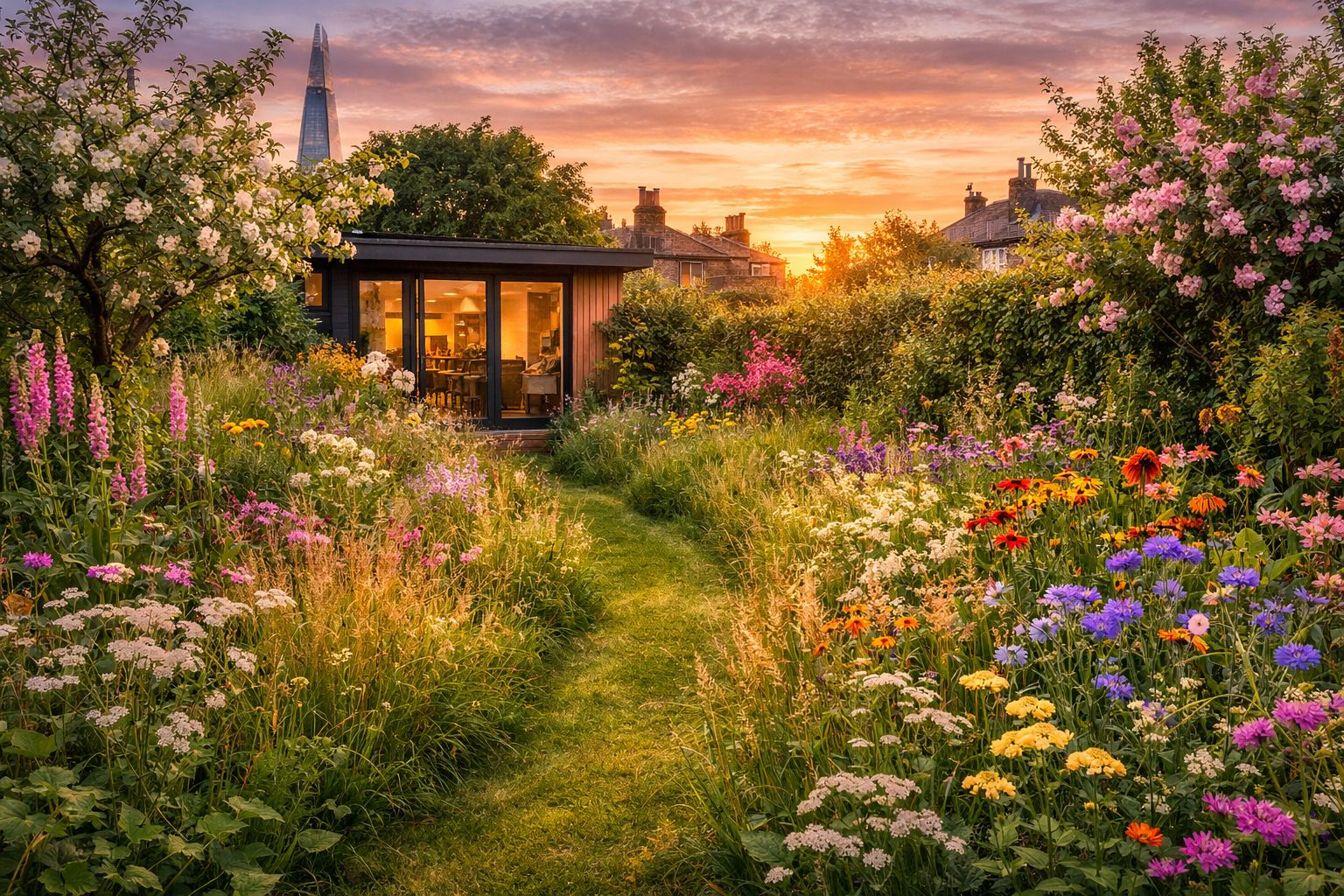
The LettsSafari approach was born from a simple conviction: that the most powerful act of ecological restoration available to most people is not writing to their MP or signing a petition — though both matter — but transforming the land they actually own or steward. A garden. A school plot. A housing association courtyard. A strip of land behind a fence. These are the places where the biodiversity crisis can be turned around, one decision at a time.
We use the word 'safari' deliberately. Not as a tourist fantasy, but as a reframe: your garden, rewilded, becomes a place of daily ecological encounter. A place where you learn to read the signs — the bat flickering over long grass at dusk, the bumblebee navigating a drift of native knapweed, the slow emergence of a newt from a pond margin in spring. These moments are not exotic. They are the rightful experience of anyone who cultivates a piece of ground and chooses to welcome life.
This guide is written for anyone who tends a piece of outside space, from a six-square-metre courtyard to a two-acre paddock, and wants to do more with it ecologically. You do not need to be an expert botanist, a licensed ecologist, or a professional landscaper. You need curiosity, a modest toolkit, and the willingness to rethink what a 'good garden' looks like.
The guidance spans three geographical regions: Britain and Ireland, Northern Europe (particularly the Netherlands, Belgium, Germany, Scandinavia, and France), and the North-East of North America (the eastern seaboard states and provinces, from the Carolinas north through New England and into Ontario and Québec). These regions share a temperate climate, broadly similar ecological principles, and many analogous habitat types — but their native species lists differ substantially, and this guide respects and celebrates those differences throughout.
The guide is structured as a progressive journey. You can read it cover to cover — and we encourage that on a first read — or dip into individual chapters as you tackle specific projects. The core garden rewilding design method appears in Chapter Three; the habitat modules in Chapter Four; and the practical build plans in Chapter Five. Throughout, you will find:
Evidence summaries — the science behind the recommendations
Plant palettes — specific, regionally appropriate species for each habitat type
Construction notes — practical, tool-level guidance for building each habitat
LettsSafari Safari Notes — observations from real rewilding projects, including LettsSafari's own Devon rewilding sites
Seasonal guidance — when to act, when to leave alone, and when to simply watch
This is not a book that tells you rewilding is someone else's job. It is a book that tells you the job starts here, in the ground beneath your feet.
Let the journey begin.
Start your rewilding journey with us. Become a member of LettsSafari.
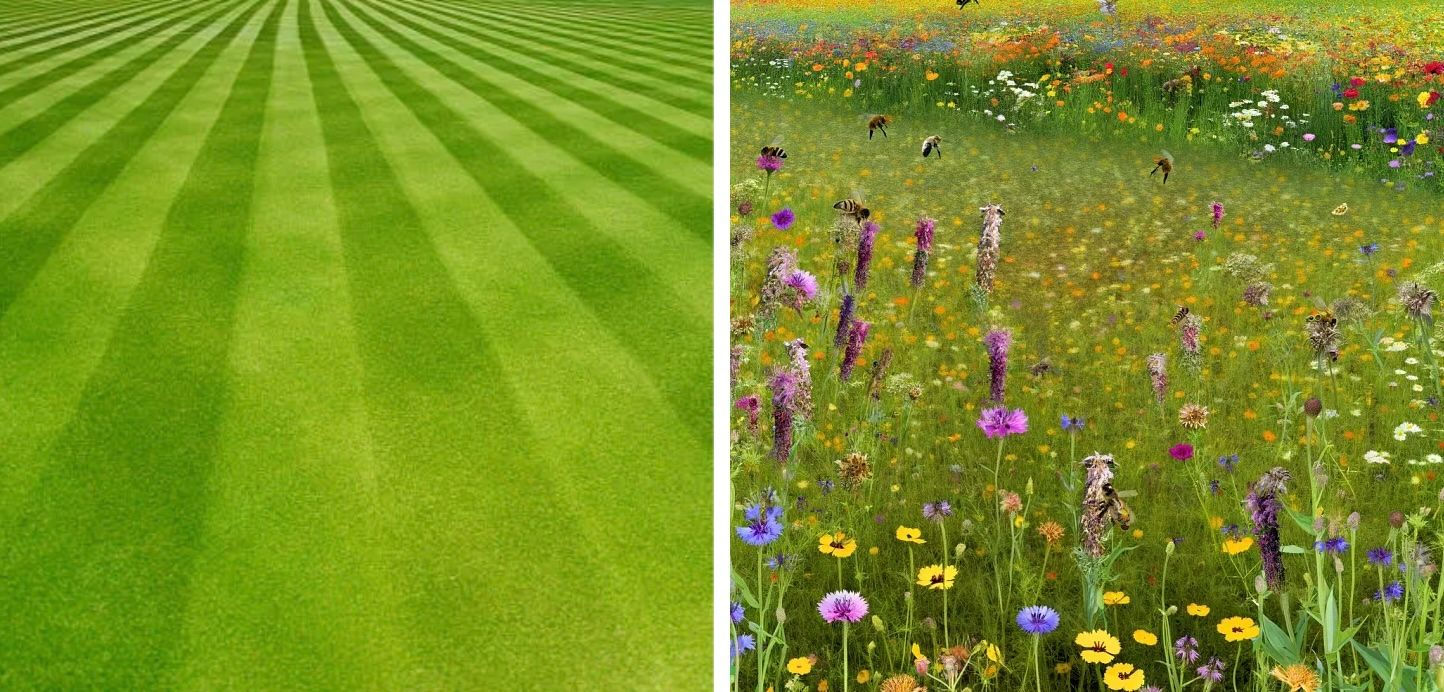
Across the UK, a subtle but powerful shift is taking place. Councils are reducing mowing on roadside verges - once neatly trimmed, now left to grow into wildflower-rich habitats buzzing with life. What might look like “letting things go” is actually a deliberate act of restoration.
And the results are remarkable.
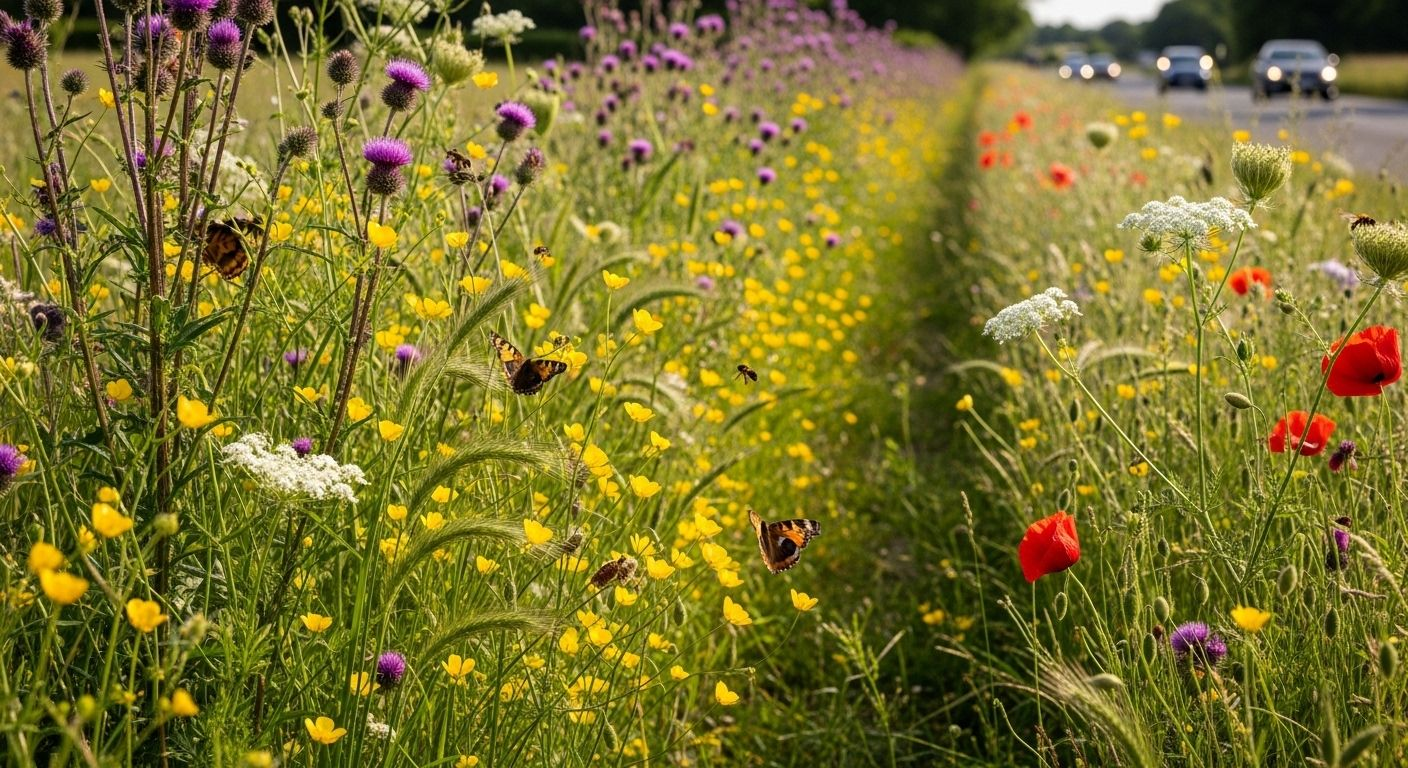
Recent updates from councils expanding “No Mow” approaches show:
These narrow strips of land, often just metres wide, are becoming micro rewilding corridors, reconnecting fragmented habitats across towns and cities.
This is rewilding at its most accessible.
For years, rewilding has been associated with large estates and remote landscapes. But the narrative has been flipped. You don’t need acres, you don’t need complexity, you don’t need perfection. Nature thrives in messy abundance
A roadside verge. A garden corner. A balcony planter.
Each is a potential ecosystem.
The lesson from “No Mow” Britain is simple:
👉 You can rewild where you are
At LettsSafari, this is exactly what we champion: small-scale, everyday rewilding that anyone can take part in.
Here’s how that translates into action:
The challenge isn’t awareness anymore - it’s knowing what to do next . That’s where LettsSafari comes in.
We help you:
Because rewilding shouldn’t feel like a science project. It should feel like watching life return.
****************************************
Subscribe to LettsSafari
Support our rewilding parks, get exclusive content of our projects and even receive expert tips to transform your garden, community, public or work spaces into a wildlife haven.
🌱 For every 10 new subscribers we plant a tree a year.
🦔 For every 100, we release an endangered animal.
🌳 And for every 10,000 we create a new rewilding safari park a year!
Make A Difference: Together We Can Rewild To Restore Nature.
Sign up TODAY
!
****************************************
LettsSafari is a subscription platform that helps people rewild their gardens, balconies and local spaces through simple, practical guidance.
Not at all. LettsSafari is built around small-scale rewilding from window boxes to urban gardens.
No. Many of the most effective actions, like reducing mowing, actually save time and money .
You’ll start to see:
Often within a single season.
Traditional gardening focuses on control and aesthetics. LettsSafari focuses on working with nature to restore ecosystems .
A major milestone for urban nature restoration has just taken place in West London. Warren Farm in Southall has officially been designated a Local Nature Reserve , ensuring the land will be protected and managed for wildlife rather than development.
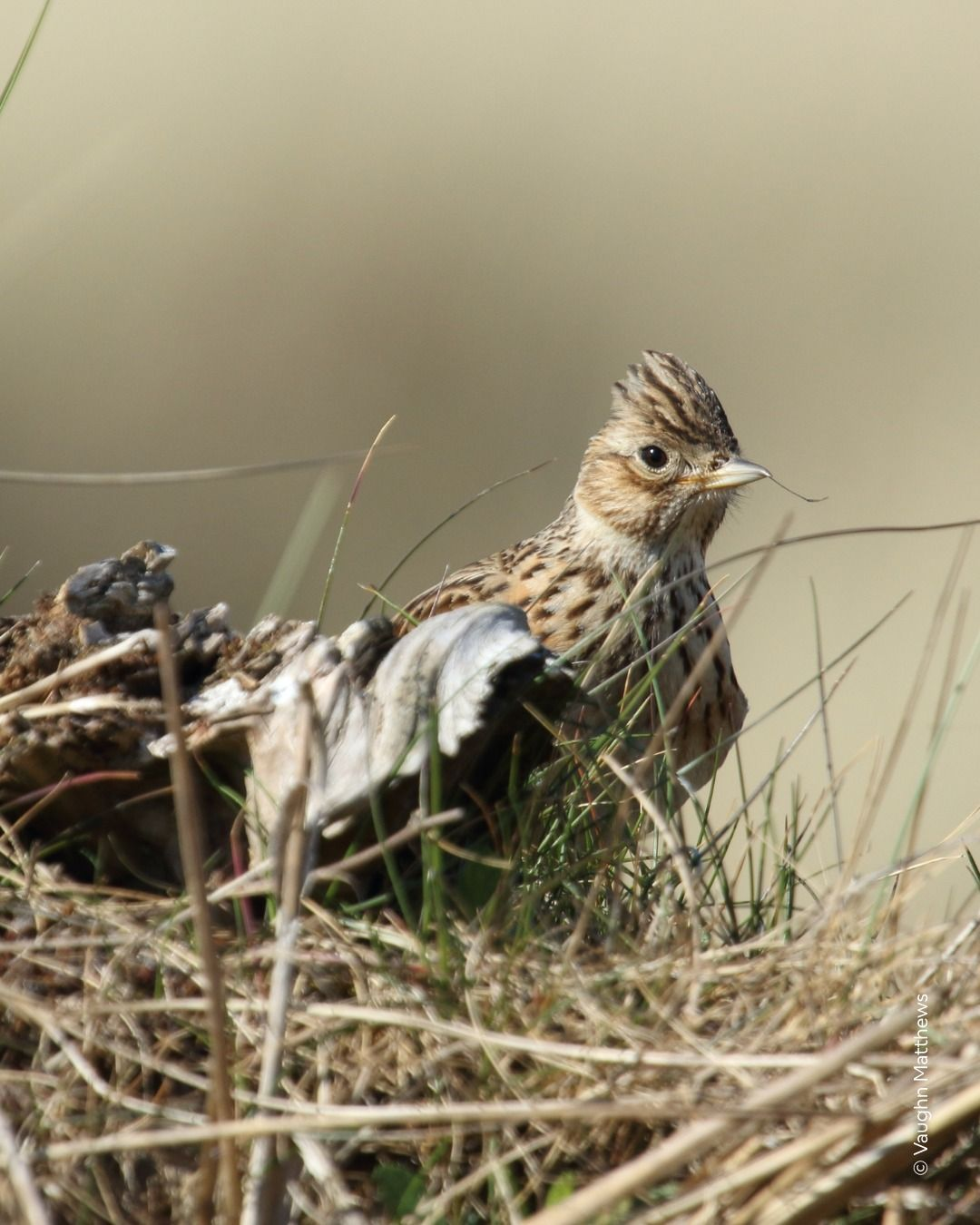
For years, campaigners argued that the site represented something increasingly rare in major cities: a large area where nature could return if given the chance. Now that vision is becoming reality. Home to nesting skylarks, wildflowers, butterflies and bees, Warren Farm is a vital haven for nature in London. This incredible milestone follows the passionate campaign by Brent River Park charity to secure LNR status for Warren Farm Nature Reserve.
It’s a powerful example of a growing idea that cities don’t have to push nature out - they can invite it back in.
Across Britain, local authorities, wildlife trusts, and communities are recognising that nature restoration can happen inside cities.
Urban rewilding brings multiple benefits:
When natural habitats return, cities become healthier places for both people and wildlife.
But projects like Warren Farm also highlight something important. Nature recovery cannot rely only on large reserves or major park projects. It requires thousands - even millions - of smaller spaces to contribute as well.
The UK has roughly 22 million private gardens, along with countless balconies, school grounds, courtyards, and community spaces. Collectively, these areas represent one of the largest opportunities for biodiversity recovery in the country. A few simple changes can make a huge difference:
When these small habitats connect across a city, they form a living network of nature.
And that’s exactly where LettsSafari comes in.
Large projects like Warren Farm are inspiring but the real transformation of nature will happen when everyday people start restoring the spaces around them. LettsSafari is designed to help people do exactly that. Through our subscription platform, we help individuals, communities, and organisations:
Instead of waiting for governments or councils to lead change, LettsSafari empowers citizen rewilders. Because the future of nature recovery will not be delivered by one large reserve. It will be built by millions of smaller ones.
****************************************
Subscribe to LettsSafari
Support our rewilding parks, get exclusive content of our projects and even receive expert tips to transform your garden, community, public or work spaces into a wildlife haven.
🌱 For every 10 new subscribers we plant a tree a year.
🦔 For every 100, we release an endangered animal.
🌳 And for every 10,000 we create a new rewilding safari park a year!
Make A Difference: Together We Can Rewild To Restore Nature.
Sign up TODAY
!
****************************************
LettsSafari is a platform dedicated to helping people restore nature in small spaces such as gardens, balconies, parks, and community areas.
No. Many successful rewilding projects begin in very small spaces - even balconies can support pollinators and wildlife.
Common projects include mini ponds, wildflower meadows, mini-woodlands, pollinator habitats and natural regeneration areas.
No. Schools, councils, community group, and businesses can also use LettsSafari to support biodiversity projects.
Because millions of small habitats can connect to form large ecological networks that help wildlife thrive in urban areas.
A new analysis of access to nature in England has revealed a striking reality: millions of people in urban areas are living too far from green spaces. The research found that while around 80% of people live within a 15-minute walk of nature, access varies dramatically by region and income. In some urban neighbourhoods – including parts of Middlesbrough, Doncaster, Bristol, and Southampton – virtually no residents live within walking distance of green or blue spaces.
The consequences go beyond aesthetics. Studies consistently link access to nature with improved mental health, reduced anxiety, better physical wellbeing and stronger community connections. When nature disappears from daily life, those benefits disappear too – and inequality deepens.
Nature doesn’t always require vast national parks or remote wilderness. In fact, the future of biodiversity recovery may depend on something much closer to home.
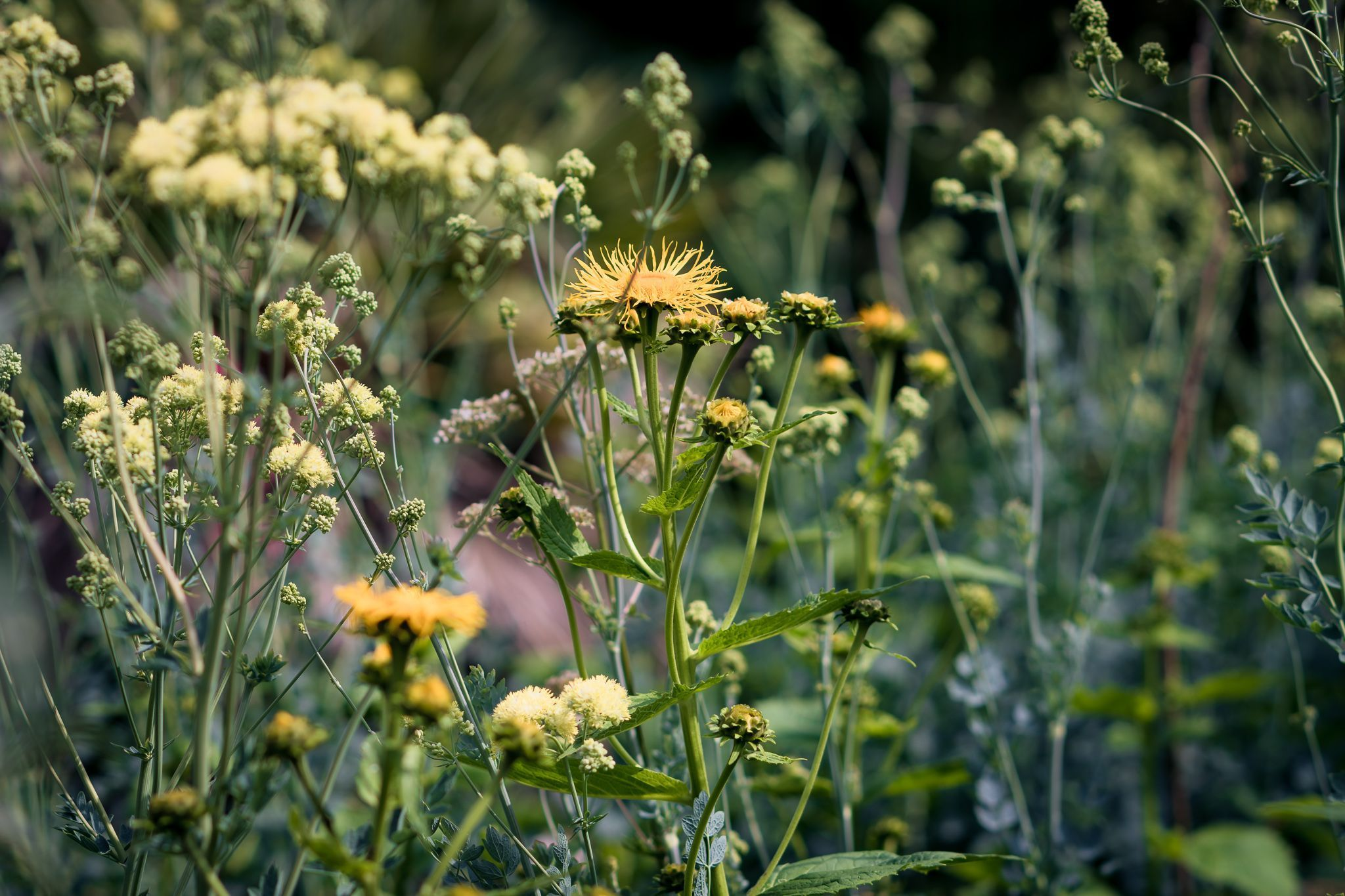
Across the UK, conservation groups and local authorities are increasingly focusing on restoring nature within towns and cities. Projects now range from rewilding farmland into woodland ecosystems to transforming neglected urban spaces into wildlife habitats.
For example, the Wildlife Trusts recently announced a project to restore 136 hectares of farmland in Norfolk, aiming to rebuild a thriving ecosystem with wetlands, woodlands, and wildlife corridors over the coming decades. The initiative highlights a broader shift in conservation: moving beyond protecting rare species to restoring entire ecosystems and bioabundance.
Urban rewilding is part of that same shift. Rather than trying to recreate untouched wilderness, it focuses on:
In other words, nature woven into everyday life.
And that’s where smaller-scale rewilding becomes transformative.
Large landscape projects are inspiring, but they can feel distant from everyday life. Smaller-scale rewilding flips the perspective. Instead of asking governments or landowners to act, it asks a simpler question: What if millions of small spaces were rewilded at once?
A garden pond can support frogs, dragonflies, and birds.
A patch of long grass can host dozens of insect species.
A balcony planter can feed pollinators across an entire neighbourhood.
Individually these actions seem tiny. Collectively they become a distributed nature recovery network across cities.
This is exactly the idea behind LettsSafari.
LettsSafari focuses on smaller-scale rewilding projects for gardens, parks and community spaces, making nature restoration accessible to anyone – not just large landowners or conservation organisations.
Through the LettsSafari subscription, members receive:
The goal is simple: turn everyday spaces into miniature nature reserves.
If every garden, balcony, schoolyard and community green space hosted even a small pocket of biodiversity, the urban nature gap highlighted in the latest research would begin to close.
Nature wouldn’t be something you travel to.
It would be something you live with.
****************************************
Support our rewilding parks, get exclusive content of our projects and even receive expert tips to transform your garden, community, public or work spaces into a wildlife haven.
🌱 For every 10 new subscribers we plant a tree a year.
🦔 For every 100, we release an endangered animal.
🌳 And for every 10,000 we create a new rewilding safari park a year!
Make A Difference: Together We Can Rewild To Restore Nature.
Sign up TODAY
!
****************************************
Urban rewilding is the process of restoring natural habitats and biodiversity within towns and cities. It often involves planting native species, creating ponds, restoring wetlands and allowing certain areas to grow naturally.
Access to green spaces is linked to improved mental health, reduced stress, increased physical activity, and stronger community wellbeing.
Smaller-scale rewilding focuses on restoring nature in small spaces such as gardens, balconies, parks, and school grounds. Even tiny habitats can support pollinators, birds, and insects.
Yes. Simple steps like planting native flowers, adding a small pond, leaving a patch of long grass, or installing bird boxes can dramatically increase biodiversity.
LettsSafari provides guidance, inspiration and practical steps for turning everyday spaces into thriving wildlife habitats through small-scale rewilding.
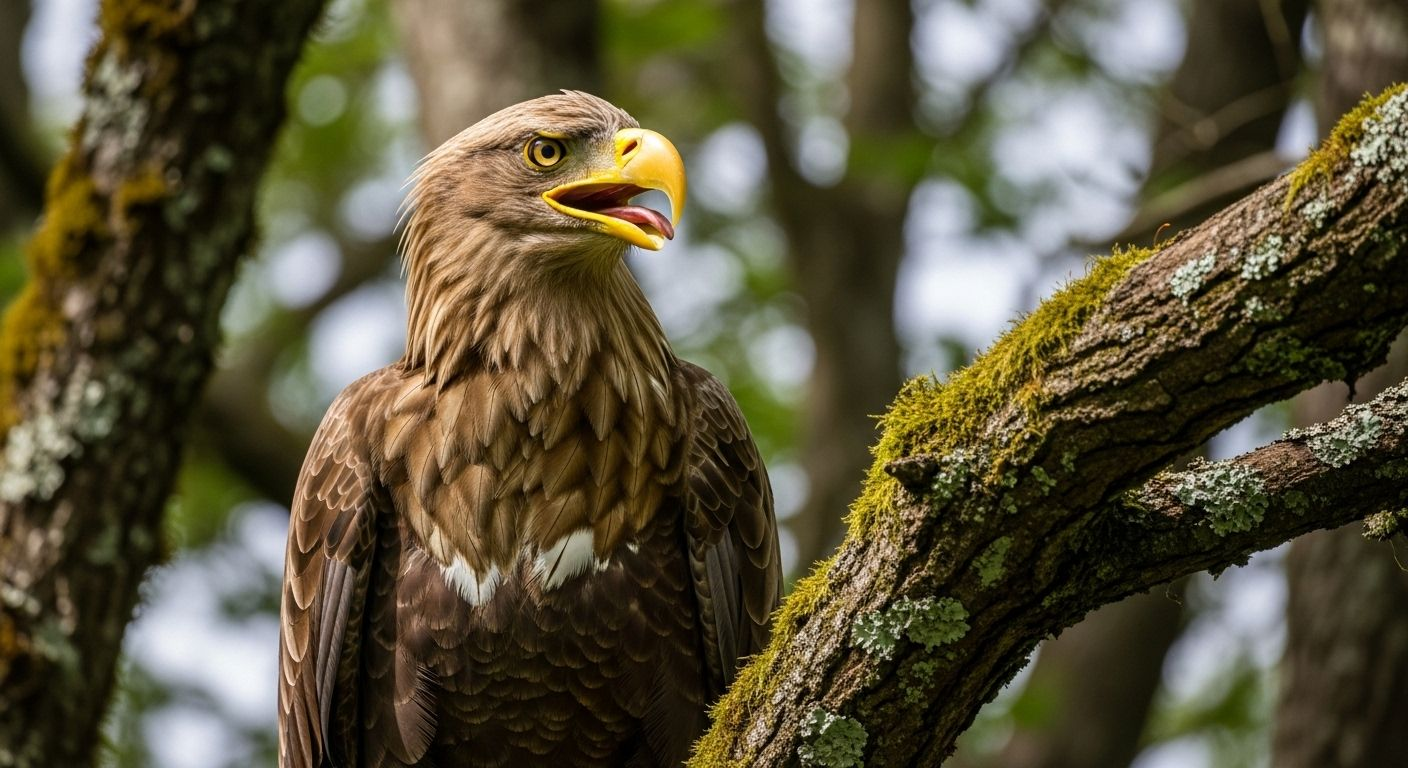
In a bold move that’s turning heads across the conservation world, the UK government has announced plans to reintroduce lost native wildlife species including white-tailed eagles, pine martens and beavers to landscapes across England This long-debated strategy, finally being fast-tracked by policy makers, marks one of the most ambitious nature restoration efforts in decades and shines a spotlight on urban and rural rewilding alike.
For centuries, species like the white-tailed eagle, once native to English skies, were driven out by habitat loss, persecution and changing land use. The plan now is to release these majestic birds on places like Exmoor, and reintroduce beavers and pine martens across properly prepared river corridors and woodland mosaics.
This isn’t just symbolic. Each of these species is a keystone player in healthy ecosystems:
By restoring these missing links, the restoration plan is laying the groundwork for ecosystem processes to re-establish themselves, from water filtration to pollination and nutrient cycling, across landscapes that have been managed intensively for generations.
The ecological case for reintroduction is grounded in science: rewilding missing species reawakens nature’s capacity to self-organise and recover. And while much of the focus has been on wilder rural landscapes, the ripple effects touch towns and cities too.
Here’s how:
✅
Urban Nature Networks:
Restored rivers and wetlands improve water quality and create green corridors that connect countryside with cities.
✅
Biodiversity Boost:
More species equals richer ecosystems - meaning more birds, insects and wildlife in peri-urban and suburban areas.
✅
Climate Resilience:
Beavers, for example, create ponds and wetlands that store carbon and help urban fringe environments adapt to storms.
✅
Public Engagement:
Seeing big wildlife return fuels interest in local wild places and inspires community-led rewilding.
At LettsSafari, we believe that nature restoration is not an abstract concept only for protected parks - it’s something that can and should be connected with everyday life and local places.
Here’s how this national initiative aligns with our ideas:
Nature at Every Scale: Large reintroductions support landscapes, while smaller habitat enhancements, like creating wet slogs in gardens or rewilding corners of parks, complement these efforts locally.
Connecting People and Nature: When people can see, hear, or even help protect returning species on their doorstep, it creates a culture of stewardship that drives long-term restoration.
From Policy to Practice: Government policy opens doors; community action fills them. LettsSafari equips people with practical steps and inspiration they can use right now from wildlife-friendly planting guides to community rewilding workflows.
****************************************
Subscribe to LettsSafari
Support our rewilding parks, get exclusive content of our projects and even receive expert tips to transform your garden, community, public or work spaces into a wildlife haven.
🌱 For every 10 new subscribers we plant a tree a year.
🦔 For every 100, we release an endangered animal.
🌳 And for every 10,000 we create a new rewilding safari park a year!
Make A Difference: Together We Can Rewild To Restore Nature.
Sign up TODAY
!
****************************************
The reintroductions are being accelerated by government as part of a broader environmental platform heading into the May elections - showing political momentum building for nature restoration.
Released species are carefully chosen and barriers to coexistence are addressed through planning and monitoring. For example, reintroducing beavers typically includes consultations with landowners and flood risk managers.
Absolutely. Restored rivers, wetlands and woodland edges extend ecological connectivity into urban fringe areas, meaning residents can experience nature recovery close to home through accessible green infrastructure.
Start small: plant diverse native plants, leave lawn corners wild, create small water features, and get involved with local nature groups. Every patch of habitat helps form resilient networks across regions.
Cities and nature are often framed as opposites - concrete versus wilderness - but in Tower Hamlets, east London, they’re proving to be powerful partners in the fight for biodiversity and climate resilience. A recent initiative called WildE3 is turning this vision into reality, offering a blueprint for nature recovery right inside one of the UK’s most densely populated boroughs.
In a part of London that has long suffered from limited green space and ecological degradation, the WildE3 project is transforming ordinary urban landscapes into thriving, nature-rich ecosystems. Over 2,500 m² of conventional lawn has been converted into:
These changes may look simple, but they’re powerful. Removing pesticides, increasing plant diversity and letting natural processes take hold have already delivered measurable biodiversity benefits in an area previously starved of greenspace.
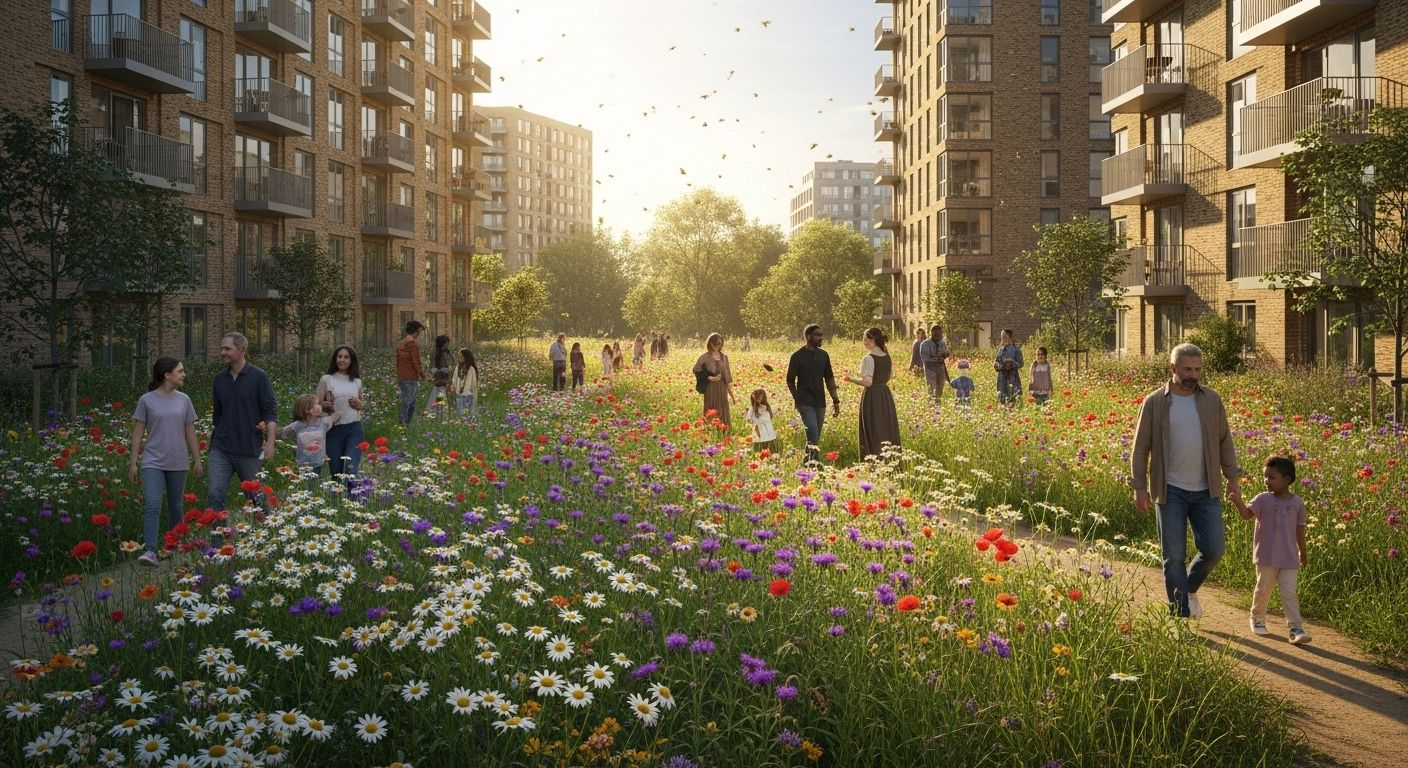
What makes WildE3 stand out isn’t just the ecology; it’s the people . Local residents were actively involved through:
Surveys show that people taking part experienced significant gains in their connection to nature: many reported feeling more relaxed , more knowledgeable about wildlife , and closer to the natural world . In a dense urban setting, these psychological and social benefits are just as important as ecological ones.
Urban rewilding isn’t just a nice idea for parks - it’s a nature-based solution that provides:
WildE3 shows that even modest spaces can become engines of recovery for nature within city limits.
At LettsSafari, we’re all about people and nature flourishing together . The WildE3 story isn’t just inspiring - it’s instructive. Here’s how our approach supports and amplifies this kind of work:
We break down restoration into doable actions — from creating pollinator-friendly borders in back gardens to converting underused plots into wildflower meadows.
Every insight is rooted in ecology, so urban nature projects aren’t guesswork but informed interventions that support biodiversity and resilience.
Just as WildE3 thrives because people were involved, LettsSafari helps groups and neighbourhoods collaborate - providing content, prompt, and frameworks for local nature action.
Whether it’s pocket parks or wider community gardens, we help people take meaningful steps toward restoring nature where they live.
****************************************
Subscribe to LettsSafari
Support our rewilding parks, get exclusive content of our projects and even receive expert tips to transform your garden, community, public or work spaces into a wildlife haven.
🌱 For every 10 new subscribers we plant a tree a year.
🦔 For every 100, we release an endangered animal.
🌳 And for every 10,000 we create a new rewilding safari park a year!
Make A Difference: Together We Can Rewild To Restore Nature.
Sign up TODAY
!
****************************************
It’s about restoring natural processes in cities — introducing biodiversity-rich habitats, reducing chemical inputs, and creating space for wildlife to thrive among people.
Not at all. WildE3 shows smaller plots and even lawn conversions can make a huge difference - especially when people are involved.
Green spaces reduce stress, increase physical activity, and strengthen community connection - especially in dense urban environments.
Yes. It starts with vision, engagement, and small actions . Wildflower sowing, shrub planting, and habitat features like logs or ponds are great starts.
We offer step-by-step guidance, community engagement tools, and inspiring ideas that link your local space with broader nature recovery goals, whether it’s your garden, street, or neighbourhood green space.
Twenty years ago, Knepp was struggling farmland on heavy Sussex clay.
Today, it is one of the most significant (and famous!) biodiversity hotspots in the UK.
That transformation didn’t come from intensifying control. It came from relinquishing it.
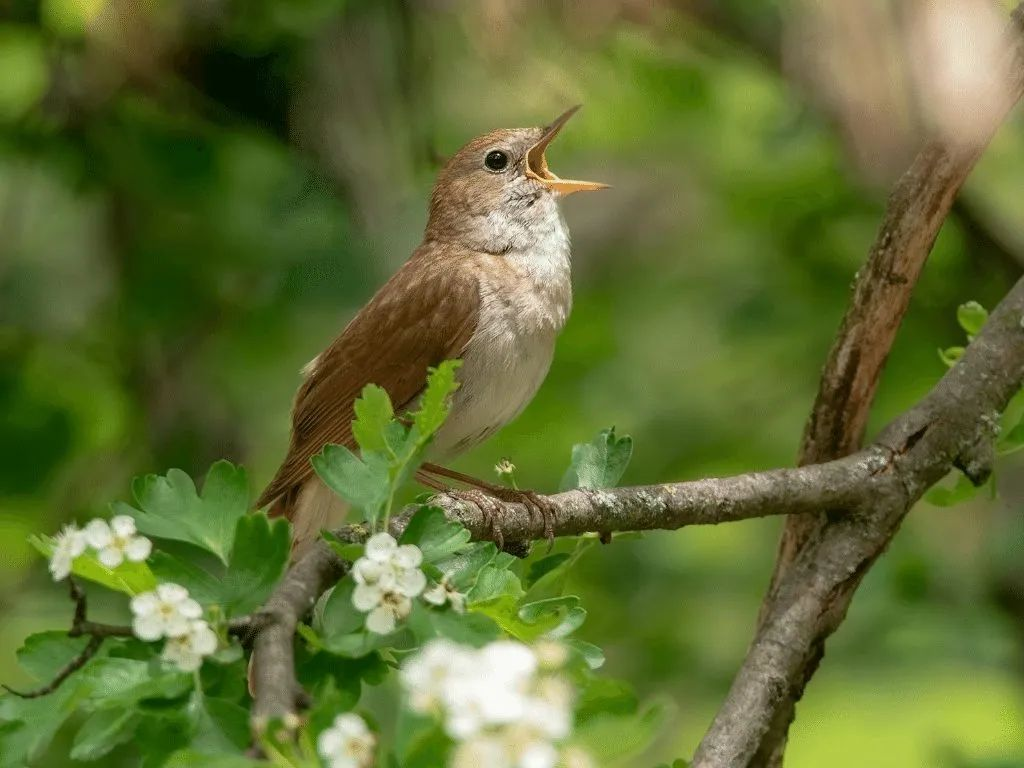
By allowing natural processes to return - thorny scrub to spread, deadwood to remain, grazing animals to roam - Knepp has seen extraordinary results. Last year alone, 60 singing male nightingales were recorded on the estate, roughly 1% of the UK population.
But beyond rare species, what stands out most is abundance. A 20-year ecological survey shows a dramatic uplift across birds, insects, plants and mammals. It proves something vital: even depleted land can rebound quickly when nature is placed back in the driving seat.
Rewilding is not about neglect. It’s about restoring process.
At Knepp, that has meant:
Instead of freezing the land in time, the estate became dynamic again.
And that dynamism turned out to be rocket fuel for wildlife.
It’s easy to look at Knepp and think: That’s wonderful - but it’s a large estate.
At LettsSafari, we see it differently.
Knepp is proof of principle.
If biodiversity can surge on heavy, exhausted clay in Sussex, it can surge in a garden in Manchester. On a balcony in Bristol. In a neglected corner of a park in Devon.
The principles scale down beautifully:
You don’t need 3,500 acres to create habitat. For example, at LettsSafari we've developed a simple, actionable guide to encouraging Nightingales (and a large number of other wildlife and insects) by the introduction of open scrub to even the smallest open space.
The UK has pledged to return 30% of land to nature by 2030.
Large estates like Knepp are critical. But so are the millions of smaller spaces woven between them.
Urban gardens. Village greens. Business parks. School fields.
When connected together, these spaces form ecological stepping stones, allowing insects, birds and mammals to move through landscapes that would otherwise feel hostile.
At LettsSafari, our work focuses on empowering that distributed network of rewilding. Practical guidance. Manageable actions. Consistent care.
Because rewilding isn’t only about headline projects.
It’s about momentum.
Perhaps Knepp’s greatest achievement isn’t just ecological. It’s psychological.
It has shifted the narrative from "nature is fragile and disappearing" to "nature is resilient and ready to return".
That mindset is contagious. Twenty years ago, rewilding was fringe. Today, it is shaping national policy and public imagination. And the next twenty years will depend not just on estates and reserves - but on households, communities and businesses choosing to make room.
Knepp shows what’s possible at scale. LettsSafari exists to make that possibility practical, accessible and joyful at a human scale.
From Sussex clay to city balcony. Nature is ready. Are you?
****************************************
Support our rewilding parks, get exclusive content of our projects and even receive expert tips to transform your garden, community, public or work spaces into a wildlife haven.
🌱 For every 10 new subscribers we plant a tree a year.
🦔 For every 100, we release an endangered animal.
🌳 And for every 10,000 we create a new rewilding safari park a year!
Make A Difference: Together We Can Rewild To Restore Nature.
Sign up TODAY
!
Knepp proves that when nature is given space and process is restored, biodiversity can rebound dramatically. LettsSafari applies those same principles at a smaller, practical scale - helping individuals and communities rewild gardens, parks and shared spaces using simple, nature-led approaches inspired by large projects like Knepp.
Yes. While Knepp operates at estate scale, biodiversity recovery also depends on thousands of smaller habitats working together. LettsSafari focuses on turning lawns into meadows, planting native species, reducing mowing, and creating shelter for insects and birds. When many small spaces adopt these changes, they form powerful ecological networks across towns and cities.
LettsSafari encourages restoring natural processes rather than tightly controlling outcomes. This can include allowing areas to grow wild, planting hedges and thorny shrubs for bird habitat, leaving stems standing through winter, and embracing seasonal change. These manageable actions mirror the ecological principles seen at Knepp - just scaled to everyday spaces.
Last week, the BBC revealed the Denton Universal Award - the largest single source of public art funding in the UK. Its ambition is beautifully simple and quietly radical: to fund free, accessible works that anyone can experience. No tickets. No barriers. No velvet ropes.
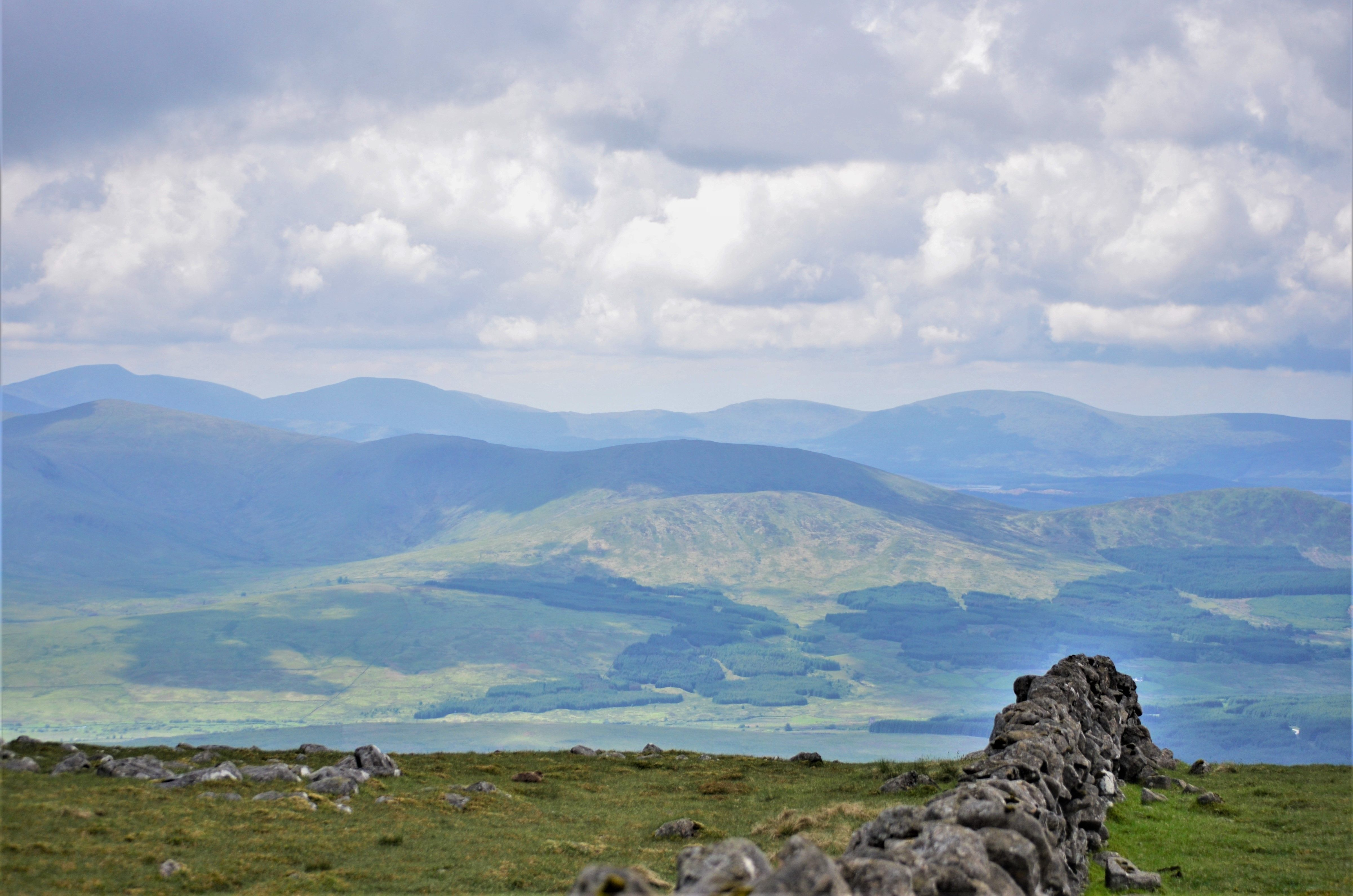
The first recipient is Andy Goldsworthy , awarded £200,000 to create Gravestones in the hills of Dumfries and Galloway. Built from thousands of stones displaced during grave digging, the work will form a stark, 25-metre square enclosure - a place for mourning, remembrance, and stillness.
It’s not art made to be owned.
It’s art made to be visited.
And more importantly,
felt
.
Goldsworthy’s work has always lived outside the gallery system. He works with land, weather, time and decay. His materials are temporary. His collaborators are wind, rain, frost and gravity.
This isn’t a rejection of culture - it’s a deeper commitment to place.
Gravestones doesn’t impose itself on the landscape. It listens to it. Stones taken from the earth are returned, rearranged with care, and left to weather alongside everything else on the hill.
That idea - of removal followed by restoration - sits at the heart of this new award. It’s a reminder that art, at its best, doesn’t dominate environments. It deepens our relationship with them.
At LettsSafari , we recognise the same philosophy.
We believe nature doesn’t need spectacle to matter.
It doesn’t need to be fenced off, branded, or over-explained.
And it certainly doesn’t need to be “saved” through grand gestures alone.
Real ecological change happens through patience. Through presence. Through giving landscapes - and species - the conditions to recover in their own time.
Goldsworthy’s work mirrors what rewilding teaches us every day:
Rewilding isn’t about forcing outcomes. It’s about stepping back deliberately .
The Denton Universal Award removes art from the market and returns it to people. No ownership. No exclusivity. Just access.
That principle matters in nature too.
Too often, our relationship with the natural world is extractive - take the view, take the resource, take the moment, move on. Rewilding asks something different: care without possession .
LettsSafari exists to make that kind of relationship possible. By supporting long-term restoration projects, and by helping people rewild gardens, balconies, and shared spaces, we’re creating access to nature that doesn’t rely on ownership or perfection.
Just participation.
Goldsworthy’s Gravestones will sit quietly on a hill. No signage shouting for attention. No rush. No payoff.
You’ll have to walk to it.
Stand with it.
Notice what’s changed since the last visitor.
That’s not so different from watching wildflowers return. Or birds reappear. Or soil slowly heal.
The Denton Universal Award is creating the right conditions for meaning in physical space.
LettsSafari is doing the same for nature - at every scale.
Different disciplines.
Same instinct.
Sometimes the most powerful act is simply to make space - and let the world respond.
****************************************
Subscribe to LettsSafari
Support our rewilding parks, get exclusive content of our projects and even receive expert tips to transform your garden, community, public or work spaces into a wildlife haven.
🌱 For every 10 new subscribers we plant a tree a year.
🦔 For every 100, we release an endangered animal.
🌳 And for every 10,000 we create a new rewilding safari park a year!
Make A Difference: Together We Can Rewild To Restore Nature.
Sign up TODAY
!
****************************************
Public art like Andy Goldsworthy’s work shares the same philosophy as rewilding: working with place rather than imposing on it. Both prioritise patience, accessibility, and long-term relationships over spectacle or ownership. They invite people to slow down, notice and reconnect - which is exactly what healthy ecosystems need.
LettsSafari supports rewilding by funding long-term restoration projects and helping people take small, consistent actions at home - from gardens to balconies. The focus isn’t on dramatic outcomes, but on creating the right conditions for nature to recover in its own time.
Yes. Large projects matter, but ecosystems recover through networks of connected habitats. Small, repeated actions - letting plants go to seed, supporting restoration work, reducing disturbance - create continuity. Rewilding works best when care is regular, shared and sustained over time.
One of the biggest misconceptions about rewilding is that it’s all or nothing.
Either you’re restoring vast landscapes…
Or you’re not really helping.
In reality, rewilding works because of consistency.
In Devon, progress doesn’t come from dramatic moments. It comes from returning, observing, adjusting and letting ecosystems develop over time.
Nature responds best to reliability.
The same principle applies in cities.
Watering a planter.
Letting plants go to seed.
Resisting the urge to tidy everything away.
These actions don’t look heroic. But they create continuity, and continuity is what ecosystems need.
Urban rewilding thrives when people stop thinking in terms of outcomes and start thinking in terms of care.
Not everyone wants to protest, campaign, or overhaul their lifestyle. And that’s okay.
Supporting rewilding can be:
A subscription.
A balcony.
A conversation that makes someone notice a bee.
Climate fatigue is real. Doom narratives exhaust people. Rewilding offers something different: a way to participate without burning out.
At LettsSafari, we believe hope grows from action - especially small, repeatable action.
That’s why we focus on what people can do, not what they can’t.
Because when enough people do something, consistently, nature responds.
And it always has.
****************************************
Subscribe to LettsSafari
Support our rewilding parks, get exclusive content of our projects and even receive expert tips to transform your garden, community, public or work spaces into a wildlife haven.
🌱 For every 10 new subscribers we plant a tree a year.
🦔 For every 100, we release an endangered animal.
🌳 And for every 10,000 we create a new rewilding safari park a year!
Make A Difference: Together We Can Rewild To Restore Nature.
Sign up TODAY
!
