The team at LettsSafari were super excited to visit the RHS Chelsea Flower Show last week. As always, it was a wonderful celebration of gardening, creativity and outdoor spaces. But this year felt slightly different.
Among the immaculate borders, sculpted lawns and perfectly clipped hedges, there was something else emerging more strongly than ever before: a real conversation around nature restoration, biodiversity and naturalistic planting.
And honestly? That was incredibly encouraging to see.
One of the standout moments for us was seeing Sarah Eberle's “On the Edge" which won RHS Chelsea Garden of the Year (we wrote about it last week).
The installation explored something deeply familiar to many people across the UK: those overlooked spaces where towns and cities blur into countryside. The rough edges. The forgotten corners. The places where pavements stop, hedgerows begin and nature quietly tries to reclaim space.
It was a powerful reminder that nature does not need grand estates or massive national parks to thrive.
Sometimes biodiversity begins in the gap in the hedge at the end of the road.
That message resonates strongly with what we believe at LettsSafari : that smaller-scale rewilding matters. Whether it is a garden, balcony, courtyard, verge, or community green space, these fragmented habitats can collectively become incredibly important biodiversity corridors.
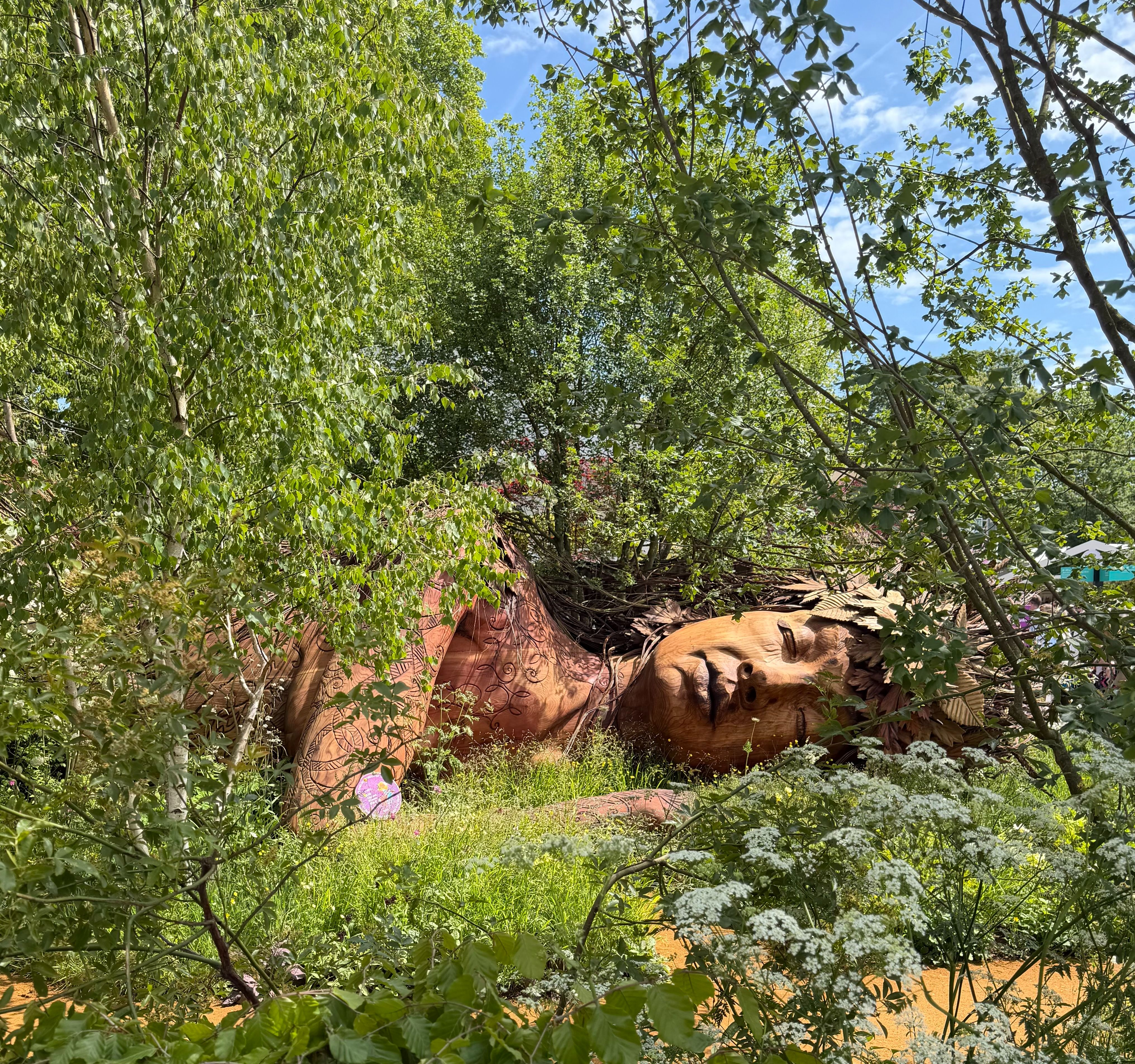
What really stood out this year was how many principles associated with ecological gardening and smaller-scale rewilding had moved into the mainstream conversation. While walking around the show, we overheard one of the guides explaining the importance of leaving fallen trees where they land whenever possible because decaying wood creates habitats for fungi, insects, birds, and mammals.
A few years ago, that might have sounded untidy. Now it sounds intelligent.
That shift matters.
Across the show there were also practical examples of how everyday gardeners can support wildlife by creating food sources, shelter and more resilient habitats. Some examples included:
Pollinator-friendly planting featured heavily throughout the show. One plant repeatedly celebrated was Echium vulgare , a brilliant nectar source for bees and other pollinators.
Its tall blue flowers not only look beautiful but provide an important feeding station during key parts of the season.
There was also recognition that tidy fencing and sterile boundaries are not always wildlife-friendly. Mixed native hedging creates shelter, nesting areas and movement corridors for species like hedgehogs, birds, and insects. Even small gaps in garden boundaries can make a major difference for wildlife movement across urban areas. For anyone interested in supporting Hedgehog populations, this is one of the simplest and most impactful changes you can make.
We were also pleased to see plants like Lonicera periclymenum highlighted for their value to night-time pollinators and bats. Fragrant evening flowers help attract moths and insects, which in turn support local bat populations. Again, it is a reminder that biodiversity is interconnected. Small planting decisions can ripple outward into entire ecosystems.
Perhaps the most encouraging thing about this year’s show was seeing slightly “messier” landscapes being celebrated alongside the traditional perfection Chelsea is famous for. For decades, gardening culture often rewarded control:
But nature does not really work like that. Healthy ecosystems are layered, imperfect, seasonal and dynamic. And increasingly, gardeners are beginning to embrace that. Not because they care less about beauty, but because they are discovering a different type of beauty altogether — one filled with birdsong, pollinators, movement, texture, and life.
The reality is that biodiversity loss is not something that only happens in remote rainforests or faraway wilderness areas. It is happening in towns, cities, suburbs, parks and gardens across the UK.That means restoration can happen there too.
You do not need acres of land to make a difference.
A planter filled with pollinator-friendly flowers matters.
A hedge instead of a fence matters.
Leaving part of your garden wild matters.
Allowing nature a little more room matters.
That is exactly why LettsSafari exists: to help make smaller-scale rewilding accessible, practical, and optimistic for everyday people.
Nature restoration is no longer a niche idea sitting on the fringes of gardening culture. It is steadily becoming part of the mainstream. And that is genuinely exciting.
Because if millions of people begin making even small biodiversity-friendly decisions in their own spaces, the collective impact could be enormous. The future of rewilding may not just belong to vast landscapes.
It may also belong to balconies, terraces, tiny gardens, overlooked verges, and the edges of our towns and cities.
****************************************
Subscribe to LettsSafari
Support our rewilding parks, get exclusive content of our projects and even receive expert tips to transform your garden, community, public or work spaces into a wildlife haven.
🌱 For every 10 new subscribers we plant a tree a year.
🦔 For every 100, we release an endangered animal.
🌳 And for every 10,000 we create a new rewilding safari park a year!
Make A Difference: Together We Can Rewild To Restore Nature.
Sign up TODAY
!
****************************************
LettsSafari is a UK-based smaller-scale rewilding initiative focused on helping people support biodiversity through practical, everyday actions. Through subscriptions, tips, and behind-the-scenes updates from rewilding projects in Devon, LettsSafari helps make nature restoration accessible for gardens, balconies, terraces and community spaces.
Not at all. One of the core ideas behind LettsSafari is that small spaces can still make a meaningful difference. Pollinator-friendly pots, native planting, mini ponds, mixed hedges and leaving parts of a space slightly wilder can all help create important habitats for wildlife.
Even small urban spaces can help support a surprising range of species, including:
Simple planting choices and habitat features can create food, shelter and safe movement corridors for local wildlife.
Smaller-scale rewilding is the idea of allowing nature more space to thrive in everyday environments. Rather than trying to control every inch of a garden or outdoor space, it focuses on creating healthier ecosystems through more natural planting, reduced intervention and biodiversity-friendly decisions.
Starting small is often the best approach. Some easy first steps include:
LettsSafari regularly shares practical ideas, inspiration, and guidance to help people take their first steps into smaller-scale rewilding.
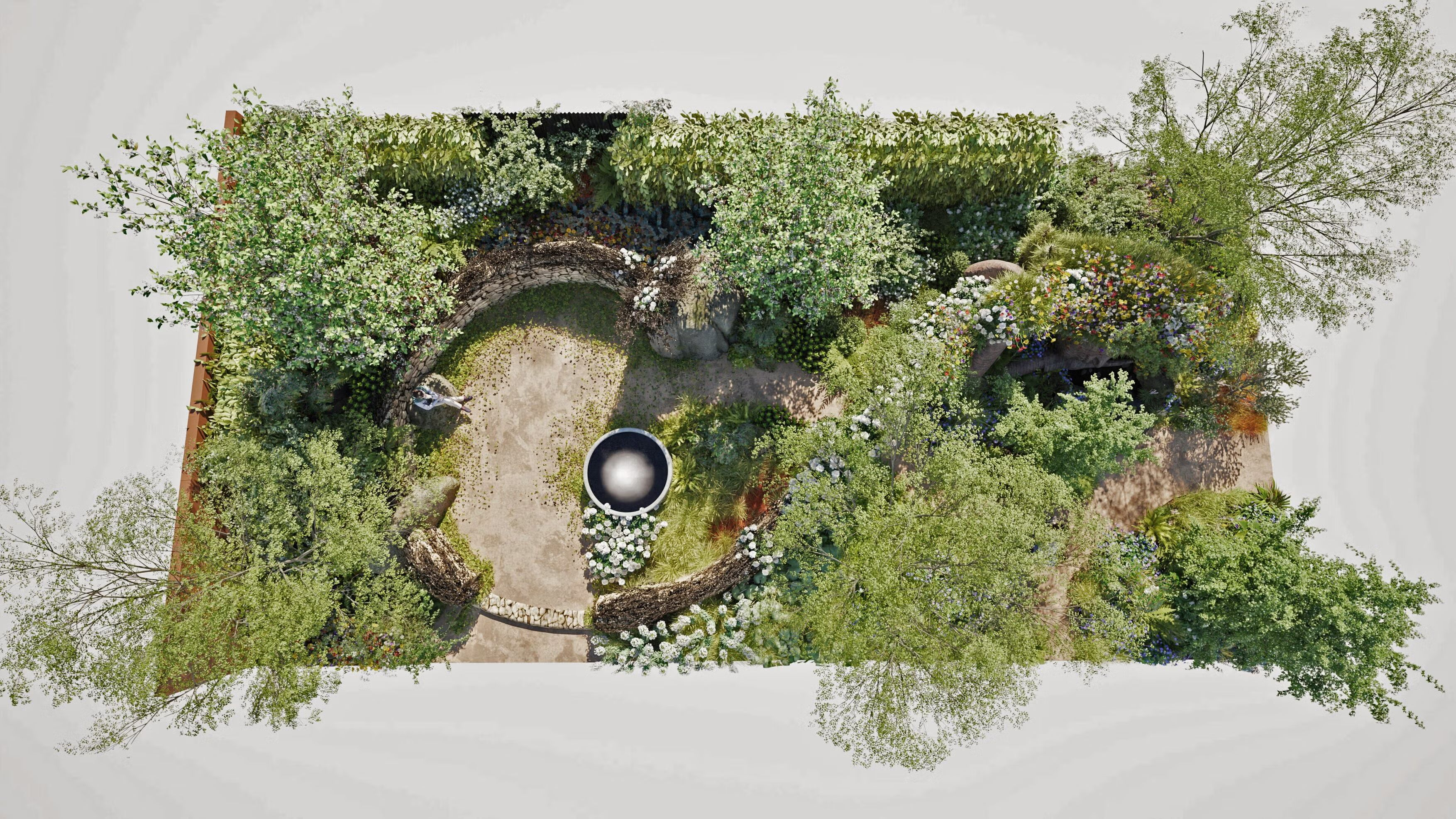
At this year’s RHS Chelsea Flower Show , one of the most talked-about gardens isn’t a polished showpiece filled with exotic plants. Instead, designer Sarah Eberle focused on something far more familiar: the forgotten edges of modern Britain.
The garden celebrated “edgelands” - the rough patches beside railway lines, behind housing estates, around industrial sites, and in neglected urban corners. These spaces are often seen as untidy or unused. But ecologists increasingly view them as vital habitats for bees, birds, insects and native plants.
This idea is incredibly relevant to ordinary gardens, balconies, courtyards, and community spaces. You do not need acres of land to support nature recovery. You just need to think differently about the space you already have. The garden’s message is simple: allowing a little more wildness into urban environments can create connected habitats across towns and cities.
The good news is that you do not need to redesign your whole outdoor space. In fact, the most effective urban rewilding often starts with doing slightly less.
Instead of cutting every corner of your garden, allow one section to grow more naturally. This creates shelter for insects and improves soil health. Even a patch the size of a small rug can help.
Native UK plants support significantly more wildlife than ornamental imports. Good options include:
A full pond is not essential. A shallow water dish with stones for insects to land on can support biodiversity surprisingly quickly. Balconies can use mini water habitats in containers or ceramic bowls.
Nature thrives in complexity. Leaving seed heads through winter, allowing leaves to collect in corners, or keeping fallen branches in a habitat pile all create shelter for wildlife. The “perfect garden” aesthetic is slowly shifting toward something more natural and resilient.
One of the most powerful ideas from the Chelsea story is connectivity. You do not need to build a perfect wildlife haven alone. You are part of a wider urban ecosystem.
Your garden connects to your neighbour’s hedge.
Your balcony supports migrating pollinators.
Your local park becomes part of a chain of habitats across the city.
Small actions become meaningful when multiplied.
At LettsSafari , we believe rewilding should feel achievable, practical, and optimistic.
That is why we focus on:
The future of nature recovery will not only happen in national parks.
It will happen street by street.
Balcony by balcony.
Garden by garden.
And perhaps most importantly, it will happen because ordinary people decided to leave a little more room for nature.
****************************************
Subscribe to LettsSafari
Support our rewilding parks, get exclusive content of our projects and even receive expert tips to transform your garden, community, public or work spaces into a wildlife haven.
🌱 For every 10 new subscribers we plant a tree a year.
🦔 For every 100, we release an endangered animal.
🌳 And for every 10,000 we create a new rewilding safari park a year!
Make A Difference: Together We Can Rewild To Restore Nature.
Sign up TODAY
!
****************************************
LettsSafari is a UK-based smaller-scale rewilding platform that shares practical tips, ideas and updates designed to help people support nature in everyday spaces.
No. Many rewilding techniques work in balconies, patios, courtyards and small urban gardens.
Not necessarily. Some of the most effective approaches involve reducing maintenance, planting native species gradually and working with nature rather than against it.
Subscribers receive practical rewilding ideas, seasonal tips, biodiversity guidance, and updates from active restoration projects.
Yes. Urban habitats can provide critical food, shelter, and movement corridors for wildlife, especially pollinators and birds.
Endangered Species Day (today) was created by the US Congress in 2006 to highlight the importance of wildlife preservation. It seems like a far cry from today. It was originally designed to cover all endangered organisms, including animals, plants, insects, and fungi. According to the International Union for Conservation of Nature (IUCN) Red List, more than 47,000 species are currently threatened with extinction, representing roughly 28% of all assessed.
We thought we would celebrate three of the amazing endangered species thriving in LettsSafari parks today.
The golden fritillary (Fabriciana adippe), also known in Britain as the High Brown Fritillary, is one of Europe's most imperilled butterflies — and one of its most misunderstood. In the UK alone, it has lost over 85% of its population since the 1970s, reduced to fewer than 50 known sites, mostly clinging on in Cumbria, Devon and South Wales. What few people realise is that its fate is almost entirely bound to a single humble wildflower: the Dog Violet.
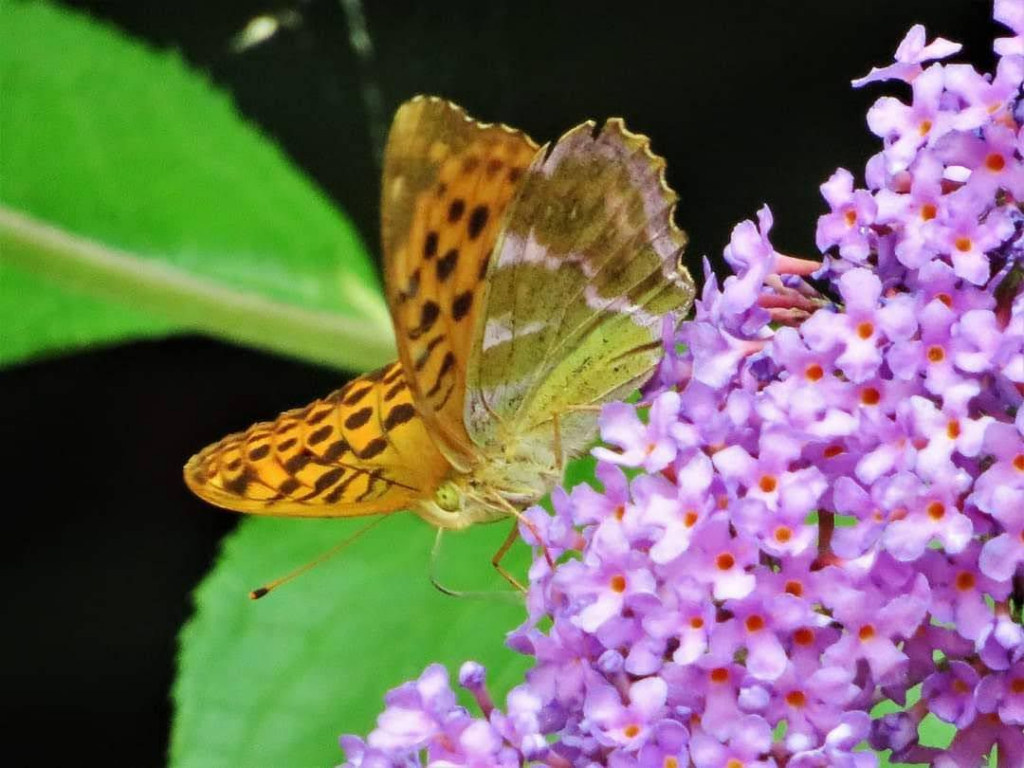
Female caterpillars, no bigger than a grain of rice when they hatch in autumn, do something extraordinary — they do not eat at all. They go straight into a months-long winter dormancy, emerging only in spring precisely timed to the moment the first violet leaves unfurl. Miss that window, and they starve. Even more surprisingly, the caterpillars are dedicated sunbathers, actively seeking out warm bracken litter to raise their body temperature and fuel their growth — a behaviour that makes south-facing slopes with open bracken canopy essential, not just preferable. Much of the decline can be traced to the near-total abandonment of woodland coppicing across Britain; without it, the forest canopy closes, the violets disappear, and so does the butterfly. They thrive in LettsSafari's Exeter Capability Brown gardens and its parks.
The grey long-eared bat (Plecotus austriacus) is one of Britain's rarest mammals, with fewer than 1,000 individuals surviving in a handful of counties along the southern English coast — Devon, Dorset, Hampshire and the Isle of Wight marking the very northern edge of what is otherwise a common southern European species. Its most striking feature, ears nearly as long as its entire body, are rarely seen: at rest it curls them back like ram's horns or tucks them completely under its wings.
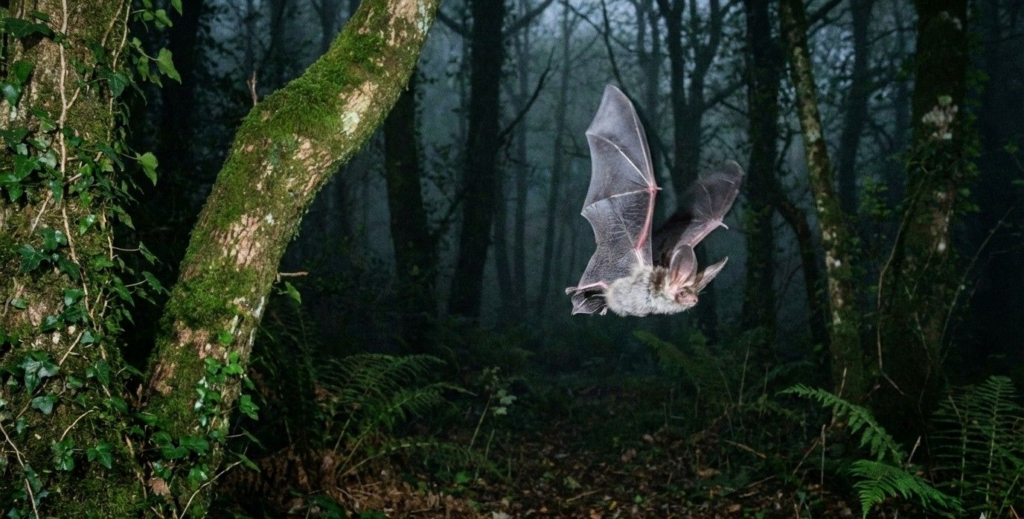
Unlike most bats, it regularly plucks non-flying insects directly from leaves and bark. Its diet is extraordinarily specialised, up to 90% pure moth, and its survival is closely tied to unimproved grasslands, a habitat that has quietly vanished from 97% of Britain since the Second World War. Grey long-eared bats were monitored by the BATS organisation in Dawlish Park. It is believed they roost in the hidden smugglers tunnels.
The water vole (Arvicola amphibius) has suffered the most dramatic population collapse of any British mammal in living memory — a fall of over 90% — yet most people would not recognise one if they saw it, routinely mistaking it for a brown rat. Few know that Ratty, the beloved riverbank companion in The Wind in the Willows, is in fact a water vole. Its primary destroyer is the American mink, introduced for fur farming in the 1920s; female mink are precisely small enough to follow voles directly into their burrows.
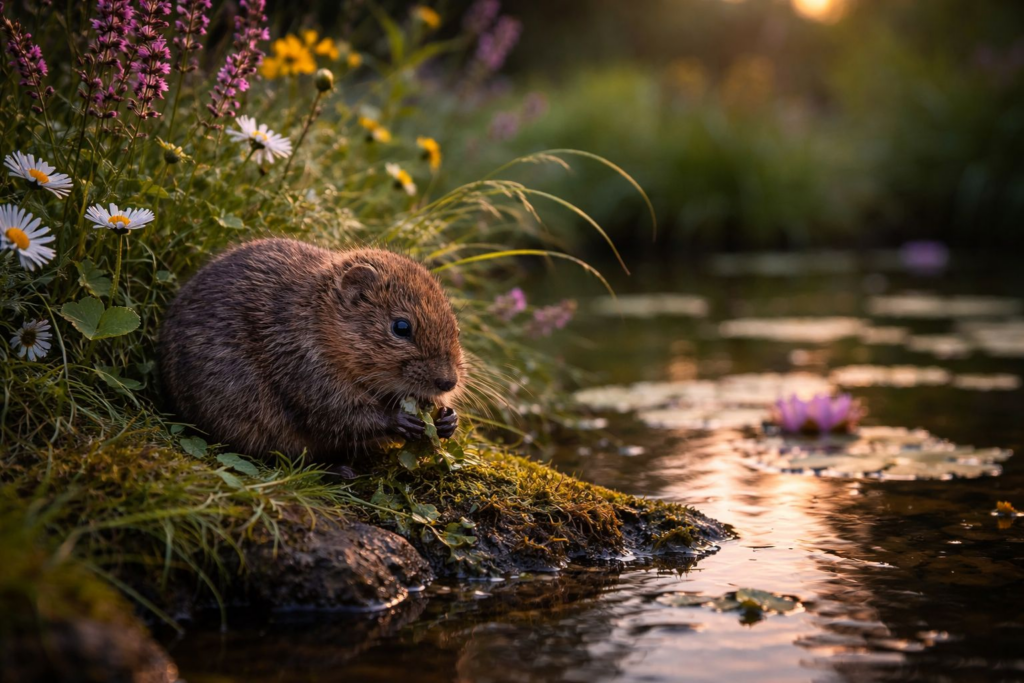
The average water vole lives only between five and eighteen months, yet compensates by raising up to three litters a season. It doesn't hibernate — instead, it caches food underground and marks its territory with carefully arranged latrines of droppings, essentially posting "keep out" signs along the riverbank. The water voles were returned to LettsSafari's Capability Brown gardens over a decade ago, enjoying the incredible cascade water gardens.
LettsSafari supports many other endangered species surviving in its rewilding parks and gardens. These are just a few. The work to bring them back and give them truly wild homes continues.
Start your rewilding journey today. Become a member of LettsSafari.
An article in Country Life this week highlighted something wonderfully famiilar for us at LettsSafari: Britain’s gardens may be one of the country’s most powerful tools for restoring nature.
Taken individually, a balcony planter, a small courtyard, or a patch of suburban lawn might not seem important. But collectively, UK gardens cover an area larger than all of the nation’s nature reserves combined. That means small-scale rewilding is no longer just a hobby - it’s becoming a practical way for ordinary people to support biodiversity from home.
For people living in towns and cities, this is something we've always championed. Urban rewilding often feels complicated or out of reach, but the reality is that even tiny changes can create food, shelter, and safe corridors for wildlife.
At LettsSafari, this is exactly the type of rewilding we believe in: simple, realistic actions that fit into everyday life.
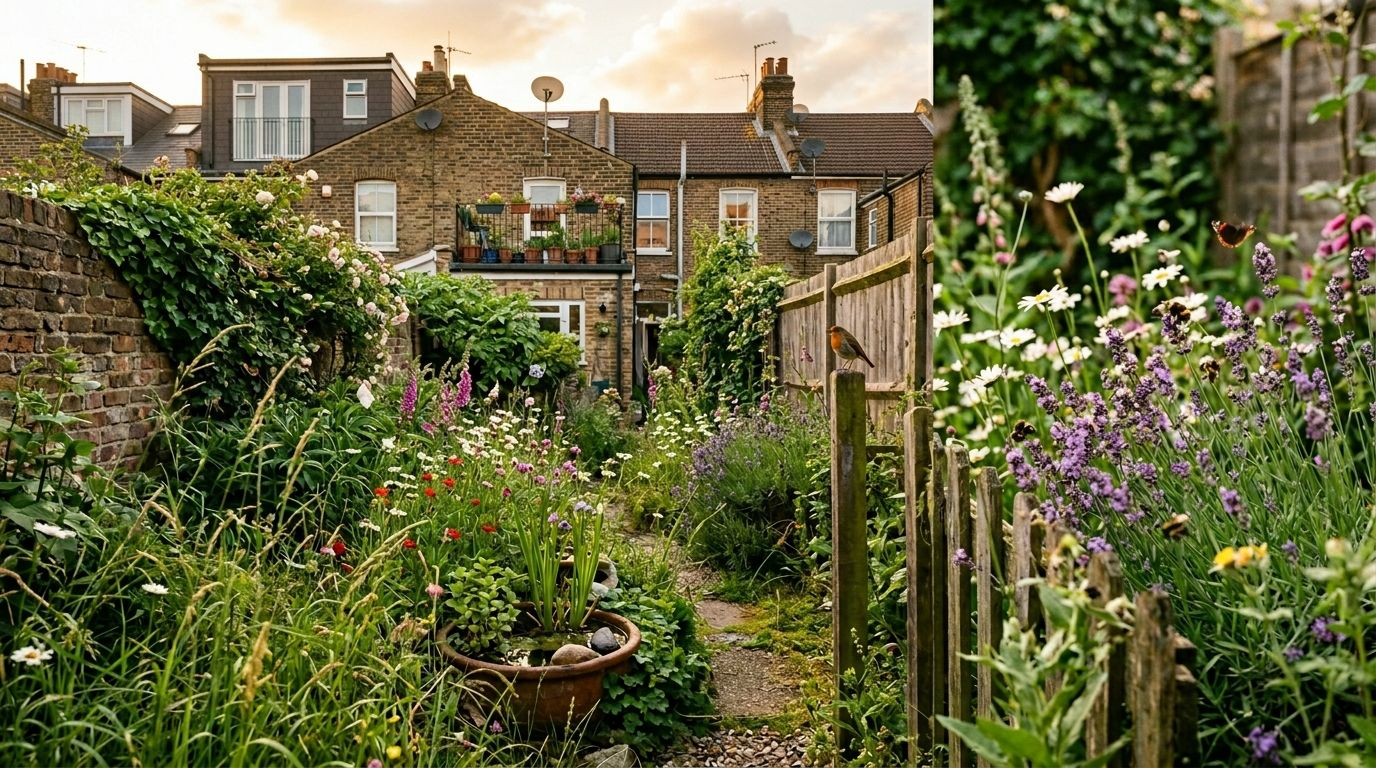
Modern gardens are often designed to look tidy and controlled:
Unfortunately, these spaces usually provide very little for wildlife.
Smaller-scale rewilding works differently. Instead of trying to control nature, the goal is to create space for it to return naturally. That does not mean turning your garden into a jungle. In practice, it often means:
The key insight from this week’s story is that scale matters less than connection. One wildlife-friendly garden may help a few species. Thousands connected together across towns and cities can become a functioning ecosystem.
One of the biggest misconceptions about rewilding is that you need a large rural space. You do not. Here are five realistic ways to start.
A perfectly striped lawn might look neat, but it offers very little biodiversity value.
Instead:
Even a small patch of longer grass can support pollinators, beetles, and other insects that birds rely on for food. For balconies or patios, containers with mixed grasses and native flowering plants can provide a similar effect.
Urban pollinators struggle because many modern gardens contain flowers bred for appearance rather than nectar production. Good pollinator-friendly options for UK spaces include:
Try to choose plants that flower at different times of year to create a longer food source.
Even a single window box can become a pollinator stopover point.
Wildlife needs water surprisingly often in urban environments. You do not need a large pond. You can:
Water instantly increases biodiversity potential and often attracts birds within days.
Nature thrives in slightly messy environments. That means:
Many insects overwinter inside dead plant material, which then supports birds and hedgehogs later in the food chain. The “perfectly tidy garden” is often the least wildlife-friendly space on the street.
One wildlife-friendly garden is good. Connected wildlife-friendly spaces are transformational. This is one of the most important themes in modern urban rewilding. Birds, insects, and pollinators move through cities using connected green spaces like stepping stones.
That means your garden matters even more than you think. A single flowering balcony, hedgehog gap, wildflower border or mini pond can become part of a much larger urban nature network.
Many people want to support nature but feel overwhelmed by where to begin. LettsSafari focuses on making smaller-scale rewilding practical and accessible. Subscribers receive:
The goal is not perfection. It is progress.
Small actions repeated across thousands of spaces can create meaningful environmental change - especially in towns and cities where wildlife often has the fewest safe habitats.
And when millions of people do that together, the impact becomes enormous.
****************************************
Subscribe to LettsSafari
Support our rewilding parks, get exclusive content of our projects and even receive expert tips to transform your garden, community, public or work spaces into a wildlife haven.
🌱 For every 10 new subscribers we plant a tree a year.
🦔 For every 100, we release an endangered animal.
🌳 And for every 10,000 we create a new rewilding safari park a year!
Make A Difference: Together We Can Rewild To Restore Nature.
Sign up TODAY
!
****************************************
LettsSafari is a UK-based subscription focused on smaller-scale rewilding projects, practical nature restoration ideas and accessible ways to support biodiversity at home.
Yes. LettsSafari is specifically designed for people with everyday outdoor spaces, including balconies, patios, courtyards, and urban gardens.
No. Most small-scale rewilding projects are beginner-friendly and focus on simple environmental improvements rather than formal gardening expertise.
LettsSafari subscriptions start from £4.50 per month.
Subscribers receive practical seasonal guidance on planting, biodiversity support, wildlife-friendly spaces and realistic urban rewilding techniques.
Yes. Small connected habitats across towns and cities can support pollinators, birds, insects, and other wildlife by creating food sources and safe movement corridors.
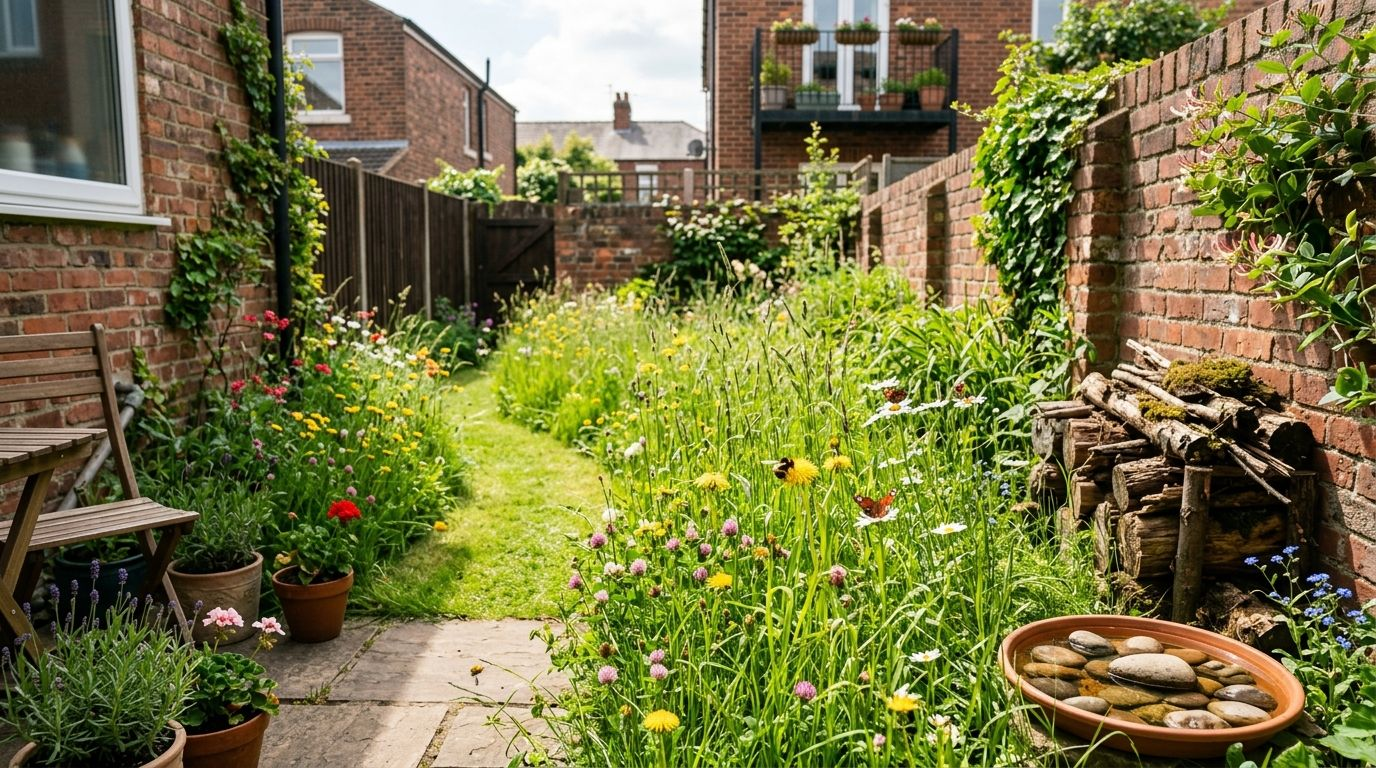
Across the UK, many of us are taking part in “No Mow May” - a simple idea: stop cutting your grass and let nature do its thing. It works. Even a short break from mowing can dramatically increase the number of flowers, which in turn supports bees, butterflies and other pollinators. But what happens after May?
Because the real impact comes not from pausing - but from building on it. This guide shows you exactly how to turn a one-month action into a lasting rewilding setup , whether you have a garden, patio, or balcony.
What to do:
Why it matters: These “weeds” are actually some of the best early food sources for pollinators .
Pro tip: Don’t aim for perfection. A slightly messy patch is doing more ecological work than a perfectly striped lawn ever will.
What to do:
Why it matters: Consistency turns a temporary habitat into a reliable food source .
Shortcut: If you only have a balcony, use:
What to do (pick one):
Why it matters: Food attracts wildlife.
This is where most gardens fall short - and where biodiversity really starts to build.
What to do:
Why it matters:
You balance:
This is where rewilding becomes powerful. Instead of one big change, aim for:
Because across thousands of homes, these small actions connect into something much bigger: a living network of urban habitats
Most people start with something like No Mow May. The challenge is knowing what to do next.
That’s exactly where LettsSafari helps:
Think of it as your guide from “I skipped mowing this month' to “I’ve created a mini ecosystem”
****************************************
Subscribe to LettsSafari
Support our rewilding parks, get exclusive content of our projects and even receive expert tips to transform your garden, community, public or work spaces into a wildlife haven.
🌱 For every 10 new subscribers we plant a tree a year.
🦔 For every 100, we release an endangered animal.
🌳 And for every 10,000 we create a new rewilding safari park a year!
Make A Difference: Together We Can Rewild To Restore Nature.
Sign up TODAY
!
****************************************
Yes. Letting grass grow allows wildflowers to bloom, which significantly increases nectar for pollinators like bees and butterflies.
Absolutely. Even small planters, water dishes, and wildflower patches can support biodiversity in urban areas.
Keep a section of your garden longer-term, introduce native plants, and add simple habitat features like water or logs.
No. A mix of tidy and wild areas works best—for both people and wildlife.
LettsSafari provides ongoing, practical tips and ideas to help you build and maintain a rewilded space over time, even in small urban environments.
For years, “rewilding your garden” often came with an unspoken trade-off - tidiness versus nature. Long grass, messy corners and piles of logs were great for biodiversity… but not always for neighbours, landlords, or your own sense of calm.
Now, that’s changing.
A recent article in The Times highlighted garden designers and homeowners alike are embracing a new idea: rewilding can be intentional, structured, and visually stunning without losing its ecological impact .
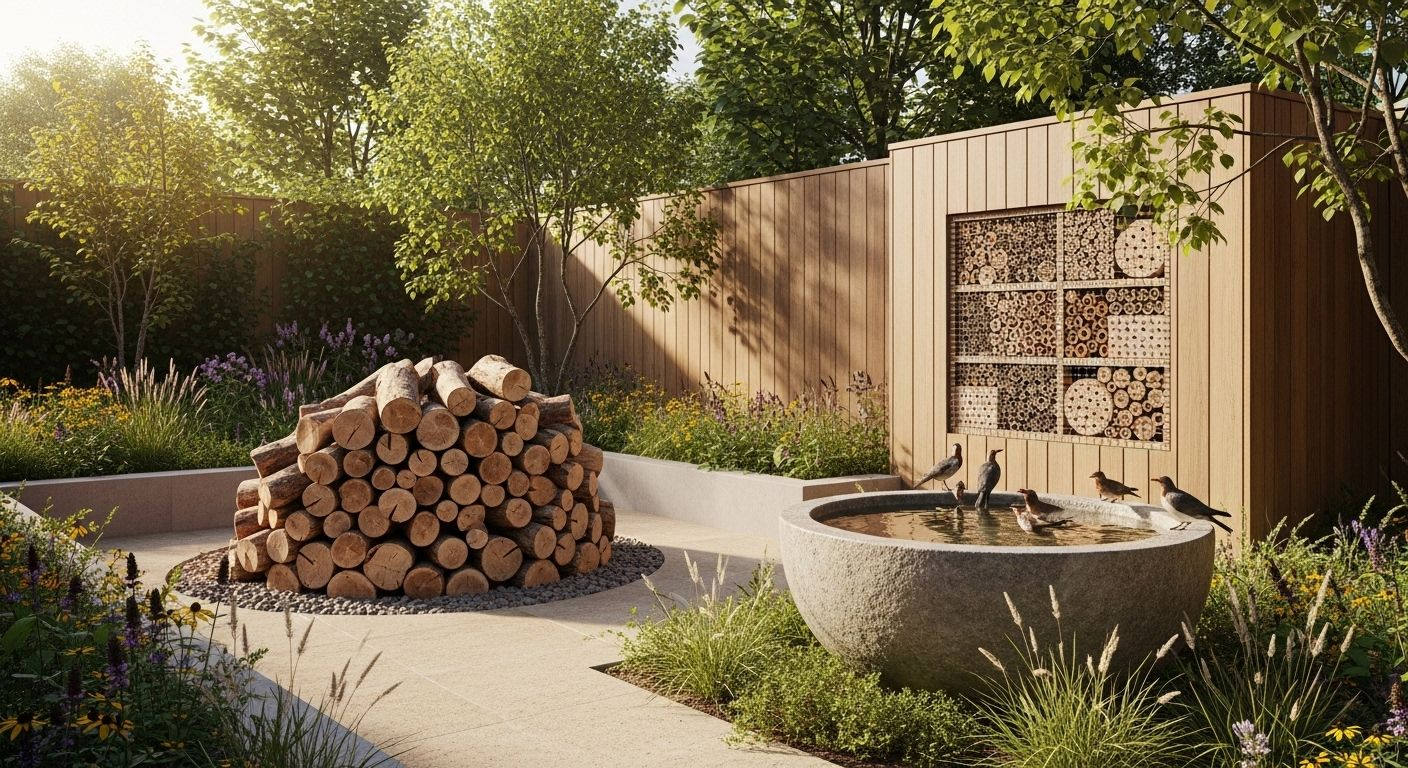
The story showcases simple but powerful interventions:
These aren’t just aesthetic upgrades they’re microhabitats . And that’s the breakthrough, because the biggest barrier to rewilding isn’t knowledge. It’s adoption . People are far more likely to take action when nature fits into their space, rather than taking it over.
Across the UK, biodiversity loss isn’t just happening in remote landscapes - it’s happening street by street. Urban areas, especially cities like London , are full of fragmented green spaces: gardens, balconies, courtyards. Individually, they feel small. Collectively, they can become powerful ecological networks . This is what conservationists call “stepping stones” - tiny habitats that allow insects, birds, and other wildlife to move, feed and survive across urban environments.
And here’s the kicker:
👉 You don’t need acres of land to make a difference.
👉 You need intention.
This is exactly the problem LettsSafari is designed to solve. In fact we've written a book about it "The Nature Reserve Next Door" .
Most people want to help nature but they don’t know where to start, or worry about doing it “wrong.”
LettsSafari bridges that gap by:
It’s not about turning your garden into a jungle overnight.
It’s about making small, intentional changes that add up .
A log pile here.
A water dish there.
A patch left to grow, on purpose.
The most exciting part of this trend isn’t the design - it’s what it unlocks. Rewilding is no longer niche. It’s becoming mainstream behaviour . Because once it looks good, feels manageable, and fits into everyday life… people actually do it. And when thousands of people take small actions? That’s when real ecological change begins.
****************************************
Subscribe to LettsSafari
Support our rewilding parks, get exclusive content of our projects and even receive expert tips to transform your garden, community, public or work spaces into a wildlife haven.
🌱 For every 10 new subscribers we plant a tree a year.
🦔 For every 100, we release an endangered animal.
🌳 And for every 10,000 we create a new rewilding safari park a year!
Make A Difference: Together We Can Rewild To Restore Nature.
Sign up TODAY
!
****************************************
LettsSafari is a UK-based subscription that helps people support and take part in small-scale rewilding, with practical tips and real project insights.
Not at all. Many LettsSafari ideas are designed for balconies, patios, and small urban spaces .
Most actions are low-cost or free—using natural materials, simple water sources, and small planting changes.
Not unless you want it to. LettsSafari embraces structured, intentional rewilding —so your space can look great and support nature.
Even small changes can attract pollinators, birds, insects, and small mammals —often surprisingly quickly.
A newly created wildlife garden in Regent’s Park, to mark what would've been the Queen Elizabeth's 100th birthday, is transforming a former brownfield site into a thriving micro-habitat - already home to hedgehogs, newts, pollinators and a growing web of life. Within months, The Queen Elizabeth II Garden, which was once lifeless ground will be buzzing, crawling and reshaping what urban nature can look like.
And here’s the great thing: it’s only a couple of acres!
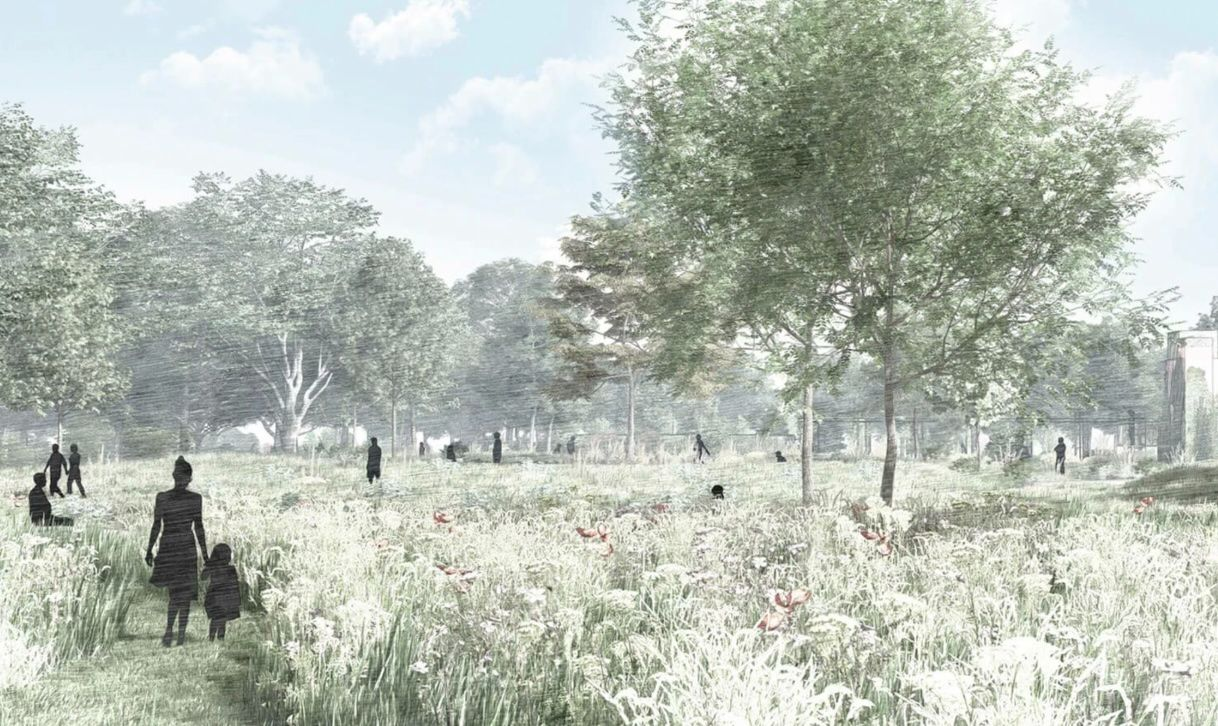
The success of this project comes down to one deceptively simple principle: diversity creates life . Instead of a single “nice” garden, the space was designed as a mosaic of habitats , including:
This layering creates what ecologists call edge effects - where different habitats meet, and biodiversity explodes.
Translation: the messier and more varied your space, the more alive it becomes.
One of the most striking parts of the story is how quickly animals moved in. Urban areas like London already have fragmented wildlife populations. When you create even a small, suitable habitat, species don’t need an invitation - they’re already nearby, waiting.
This is why:
Nature isn’t gone. It’s just… waiting for better real estate.
This project flips a long-held assumption. Cities aren’t just places where nature survives - they can be places where it recovers . Small, connected habitats across gardens, balconies, parks, and verges can form urban wildlife networks :
And crucially, they’re scalable - because they rely on people, not policy alone .
This is exactly the world LettsSafari is helping to build.
Because while flagship projects like Regent’s Park are inspiring…most rewilding actually happens somewhere far less glamorous like your garden, your balcony or your local patch of green.
LettsSafari turns that inspiration into action by helping people:
It’s not about recreating a park. It’s about creating hundreds of thousands of tiny ones .
And when you zoom out, that’s how real change happens.
****************************************
Subscribe to LettsSafari
Support our rewilding parks, get exclusive content of our projects and even receive expert tips to transform your garden, community, public or work spaces into a wildlife haven.
🌱 For every 10 new subscribers we plant a tree a year.
🦔 For every 100, we release an endangered animal.
🌳 And for every 10,000 we create a new rewilding safari park a year!
Make A Difference: Together We Can Rewild To Restore Nature.
Sign up TODAY
!
****************************************
LettsSafari is a UK-based subscription that helps people rewild small spaces like gardens, balconies and community areas through simple, practical guidance.
Not at all. Many rewilding actions work in very small spaces , including balconies and patios.
Often within weeks. Pollinators and insects tend to arrive first, followed by birds and other wildlife.
It doesn’t have to be. LettsSafari focuses on low-cost, high-impact actions that build over time.
Subscribers receive ongoing tips, ideas, and guidance tailored to UK conditions - helping you make steady, meaningful progress.
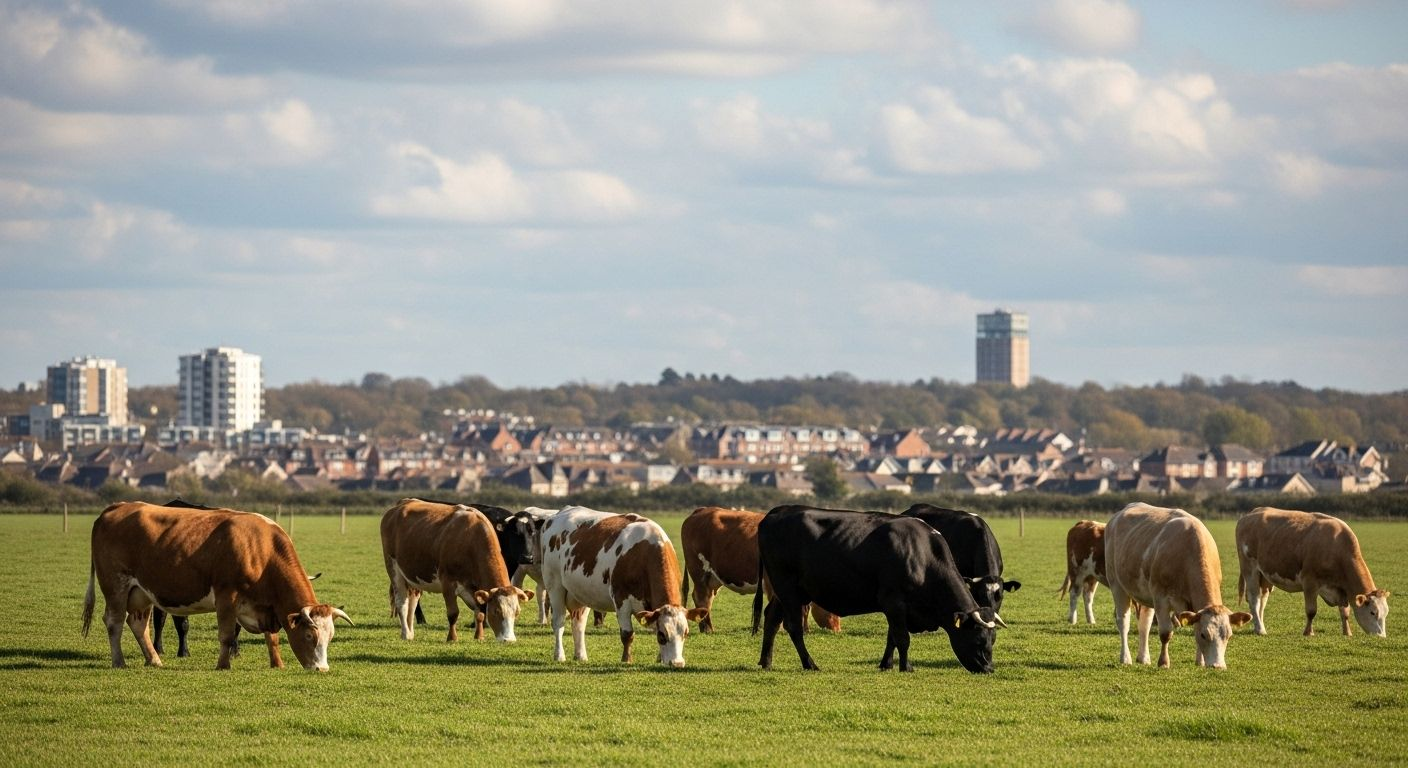
The recent expansion of the Wild Tolworth project in South West London - introducing more Sussex cattle to graze the land - is a powerful signal of where UK conservation is heading.
Rather than controlling nature, this project lets natural processes take the lead. And it shows you don’t need thousands of acres, just the right approach.
Tolworth may span 42 hectares but the principles behind it scale down beautifully.
You don’t need cattle (your neighbours might object!).
You don’t need a nature reserve.
You just need to think differently about land - even if it’s a garden, balcony, or shared green space.
Urban rewilding is really about one shift: f rom control → to collaboration with nature
That might look like:
Small changes. Big ecological impact.
This is exactly the gap LettsSafari was built to fill. Projects like Wild Tolworth are inspiring but they can feel distant or hard to replicate. LettsSafari brings those principles down to a scale anyone can act on.
Here’s how LettsSafari turns inspiration into action:
Instead of needing expertise or land, you get simple, practical guidance tailored for small spaces.
From pollinator patches to mini woodlands, LettsSafari shows how to recreate biodiversity, just on a smaller canvas.
Your subscription doesn’t just give advice - it funds real rewilding projects across the UK.
Follow real projects as they evolve - watching nature return, species reappear, and ecosystems rebuild.
What’s happening in Tolworth isn’t just a project - it’s a mindset shift. For decades, we’ve treated nature as something to tidy, trim and manage. Now, we’re starting to realise that nature works better when we step back.
And when thousands of people start doing that - even in small ways - the impact compounds fast.
Your garden becomes a habitat.
Your balcony becomes a feeding station.
Your local park becomes an ecosystem.
That’s how rewilding scales.
****************************************
Subscribe to LettsSafari
Support our rewilding parks, get exclusive content of our projects and even receive expert tips to transform your garden, community, public or work spaces into a wildlife haven.
🌱 For every 10 new subscribers we plant a tree a year.
🦔 For every 100, we release an endangered animal.
🌳 And for every 10,000 we create a new rewilding safari park a year!
Make A Difference: Together We Can Rewild To Restore Nature.
Sign up TODAY
!
****************************************
A UK-based subscription platform that funds real rewilding projects while helping individuals rewild their own spaces at home.
Not at all. LettsSafari is designed for gardens, balconies and small outdoor spaces . Or even community spaces or workplaces.
Simple, actionable tips from planting for pollinators to creating habitats for birds and insects.
Subscriptions directly fund rewilding projects. For example, growing subscriber numbers help plant trees, support wildlife reintroductions and expand rewilding areas.
Absolutely. It’s built for people who care about nature - but don’t know where to start.
A new “Plants for Pollinators” initiative launched in a London borough is transforming local libraries into hubs for nature recovery. By encouraging residents to plant pollinator-friendly species at home and in shared spaces, the programme is tackling a stark reality: the UK has seen a dramatic decline in insect populations over recent decades.
But beyond the statistics, this story reveals something bigger. Rewilding is no longer distant. It’s becoming personal.
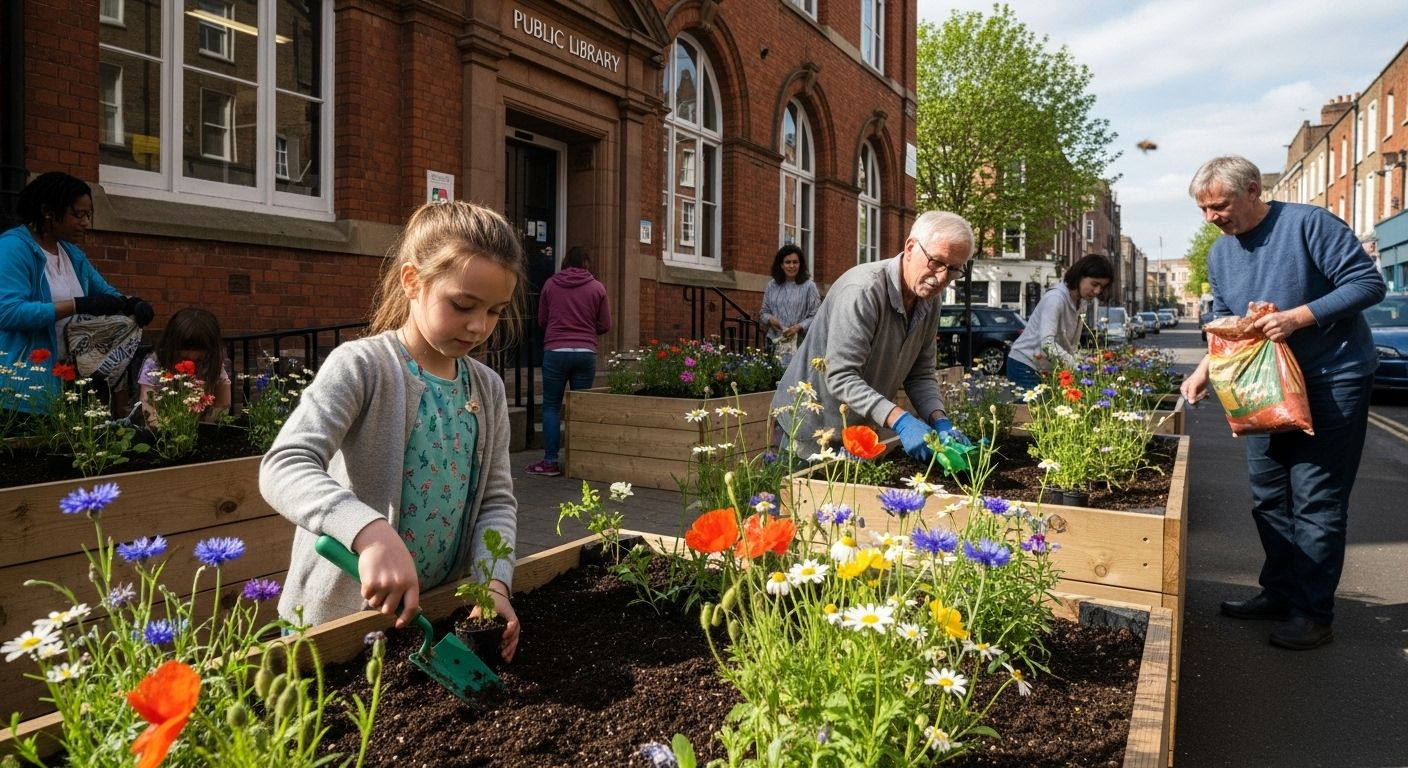
Individually, these actions feel small. Collectively, they become a distributed rewilding network, stitched together across cities. This is rewilding at human scale-accessible, practical and immediate.
What makes this story particularly exciting is where it’s happening. Libraries - traditionally places of knowledge - are becoming gateways to action. They’re not just lending books; they’re seeding ecosystems.
This reflects a broader shift in the UK:
And perhaps most importantly, it’s becoming something people can see, feel and be part of.
This is exactly where LettsSafari comes in. Because while enthusiasm for rewilding is growing, people often ask “Where do I start and does my small effort really matter?”
LettsSafari bridges that gap.
By subscribing, people don’t just get inspiration - they become part of a collective rewilding movement:
It transforms scattered individual actions into something bigger: A coordinated, measurable force for nature recovery
Because the truth is - rewilding doesn’t scale through a few large projects alone. It scales when thousands of small actions connect.
The “Plants for Pollinators” initiative shows us what the future looks like:
And as this movement grows, the question shifts from: “Can rewilding work here?” to “Why aren’t we doing this everywhere?”
****************************************
Subscribe to LettsSafari
Support our rewilding parks, get exclusive content of our projects and even receive expert tips to transform your garden, community, public or work spaces into a wildlife haven.
🌱 For every 10 new subscribers we plant a tree a year.
🦔 For every 100, we release an endangered animal.
🌳 And for every 10,000 we create a new rewilding safari park a year!
Make A Difference: Together We Can Rewild To Restore Nature. Sign up TODAY!
****************************************
What is LettsSafari?
LettsSafari is a UK-based subscription platform funding small-scale rewilding projects while helping individuals take action at home.
How does my subscription make a difference?
Every subscription contributes to tangible outcomes - like planting trees, supporting wildlife reintroductions and opening new rewilding spaces.
Do I need a garden to get involved?
Not at all. LettsSafari provides guidance for balconies, window boxes and even indoor planting that supports biodiversity.
What kind of updates will I receive?
You’ll get storytelling-driven updates showing how projects are progressing, along with practical rewilding tips you can apply yourself.
Is this really impactful at a small scale?
Yes. When thousands of people take small actions, the combined ecological impact is significant - especially for pollinators and urban biodiversity.
At LettsSafari, we believe Easter is one of the most natural invitations of the year. The light is back. The air softens. The ground begins to stir. And suddenly, without much effort at all, the idea of stepping outside feels not like a chore, but like a calling.
You don’t need a Montana wilderness to answer it.
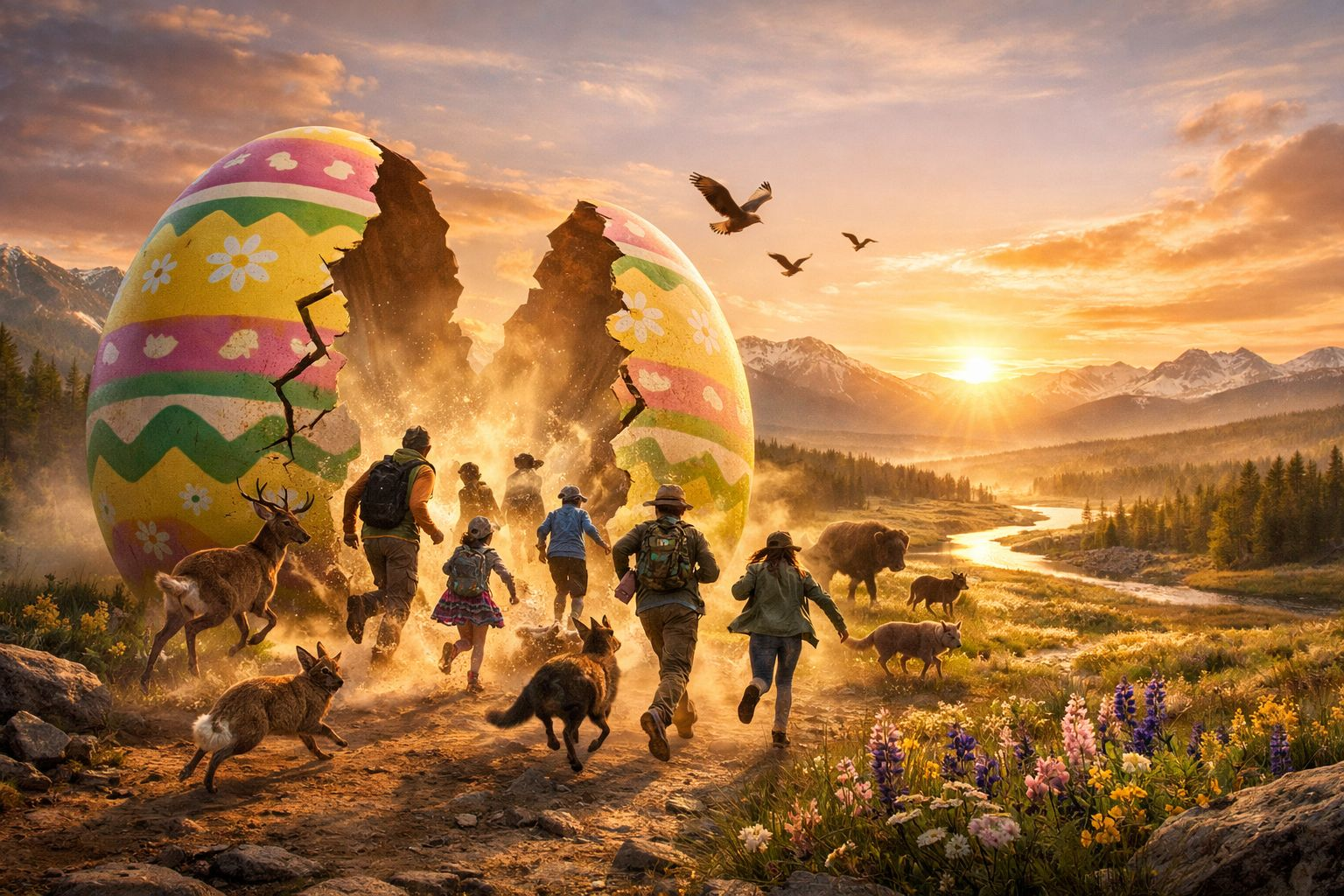
A park. A garden. A verge. Even the smallest patch of green can become something richer, more alive, more connected. Let a corner grow wild. Plant something for pollinators. Leave space for nature to return, in its own quiet way. Rewilding doesn’t start with scale, it starts with intention.
This Easter, take a step through your own “shell.”
Go further than usual. Perhaps stay out a little longer. Notice what’s emerging — buds, birdsong, movement in the grass. And if you can, begin something small of your own: a seed, a patch, a shift.
Because the real magic of Easter isn’t just renewal. It’s participation.
Happy Easter from all of us at LettsSafari.
Start you rewilding journey with us. Become a member of LettsSafari this Easter.
