Last week, the BBC revealed the Denton Universal Award - the largest single source of public art funding in the UK. Its ambition is beautifully simple and quietly radical: to fund free, accessible works that anyone can experience. No tickets. No barriers. No velvet ropes.
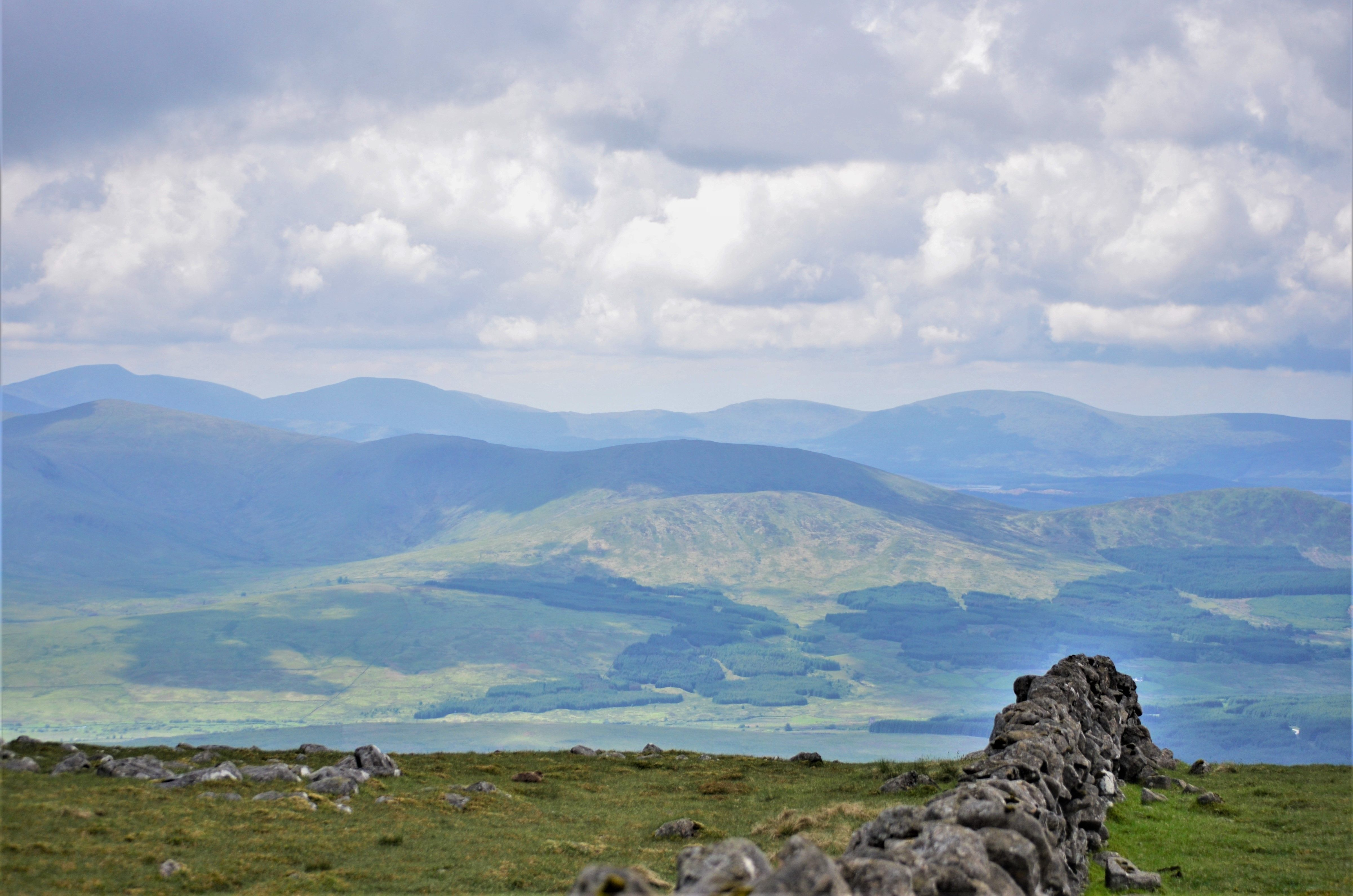
The first recipient is Andy Goldsworthy , awarded £200,000 to create Gravestones in the hills of Dumfries and Galloway. Built from thousands of stones displaced during grave digging, the work will form a stark, 25-metre square enclosure - a place for mourning, remembrance, and stillness.
It’s not art made to be owned.
It’s art made to be visited.
And more importantly,
felt
.
Goldsworthy’s work has always lived outside the gallery system. He works with land, weather, time and decay. His materials are temporary. His collaborators are wind, rain, frost and gravity.
This isn’t a rejection of culture - it’s a deeper commitment to place.
Gravestones doesn’t impose itself on the landscape. It listens to it. Stones taken from the earth are returned, rearranged with care, and left to weather alongside everything else on the hill.
That idea - of removal followed by restoration - sits at the heart of this new award. It’s a reminder that art, at its best, doesn’t dominate environments. It deepens our relationship with them.
At LettsSafari , we recognise the same philosophy.
We believe nature doesn’t need spectacle to matter.
It doesn’t need to be fenced off, branded, or over-explained.
And it certainly doesn’t need to be “saved” through grand gestures alone.
Real ecological change happens through patience. Through presence. Through giving landscapes - and species - the conditions to recover in their own time.
Goldsworthy’s work mirrors what rewilding teaches us every day:
Rewilding isn’t about forcing outcomes. It’s about stepping back deliberately .
The Denton Universal Award removes art from the market and returns it to people. No ownership. No exclusivity. Just access.
That principle matters in nature too.
Too often, our relationship with the natural world is extractive - take the view, take the resource, take the moment, move on. Rewilding asks something different: care without possession .
LettsSafari exists to make that kind of relationship possible. By supporting long-term restoration projects, and by helping people rewild gardens, balconies, and shared spaces, we’re creating access to nature that doesn’t rely on ownership or perfection.
Just participation.
Goldsworthy’s Gravestones will sit quietly on a hill. No signage shouting for attention. No rush. No payoff.
You’ll have to walk to it.
Stand with it.
Notice what’s changed since the last visitor.
That’s not so different from watching wildflowers return. Or birds reappear. Or soil slowly heal.
The Denton Universal Award is creating the right conditions for meaning in physical space.
LettsSafari is doing the same for nature - at every scale.
Different disciplines.
Same instinct.
Sometimes the most powerful act is simply to make space - and let the world respond.
****************************************
Subscribe to LettsSafari
Support our rewilding parks, get exclusive content of our projects and even receive expert tips to transform your garden, community, public or work spaces into a wildlife haven.
🌱 For every 10 new subscribers we plant a tree a year.
🦔 For every 100, we release an endangered animal.
🌳 And for every 10,000 we create a new rewilding safari park a year!
Make A Difference: Together We Can Rewild To Restore Nature.
Sign up TODAY
!
****************************************
Public art like Andy Goldsworthy’s work shares the same philosophy as rewilding: working with place rather than imposing on it. Both prioritise patience, accessibility, and long-term relationships over spectacle or ownership. They invite people to slow down, notice and reconnect - which is exactly what healthy ecosystems need.
LettsSafari supports rewilding by funding long-term restoration projects and helping people take small, consistent actions at home - from gardens to balconies. The focus isn’t on dramatic outcomes, but on creating the right conditions for nature to recover in its own time.
Yes. Large projects matter, but ecosystems recover through networks of connected habitats. Small, repeated actions - letting plants go to seed, supporting restoration work, reducing disturbance - create continuity. Rewilding works best when care is regular, shared and sustained over time.
One of the biggest misconceptions about rewilding is that it’s all or nothing.
Either you’re restoring vast landscapes…
Or you’re not really helping.
In reality, rewilding works because of consistency.
In Devon, progress doesn’t come from dramatic moments. It comes from returning, observing, adjusting and letting ecosystems develop over time.
Nature responds best to reliability.
The same principle applies in cities.
Watering a planter.
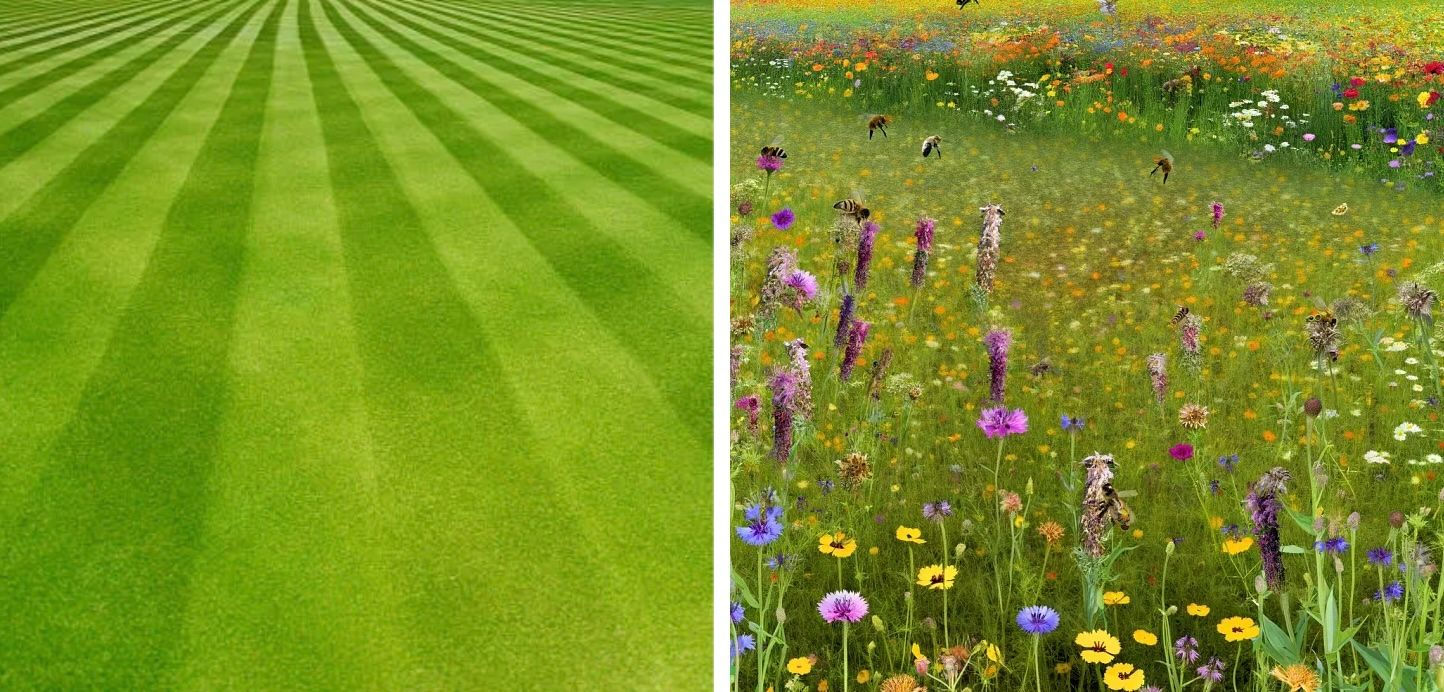
Letting plants go to seed.
Resisting the urge to tidy everything away.
These actions don’t look heroic. But they create continuity, and continuity is what ecosystems need.
Urban rewilding thrives when people stop thinking in terms of outcomes and start thinking in terms of care.
Not everyone wants to protest, campaign, or overhaul their lifestyle. And that’s okay.
Supporting rewilding can be:
A subscription.
A balcony.
A conversation that makes someone notice a bee.
Climate fatigue is real. Doom narratives exhaust people. Rewilding offers something different: a way to participate without burning out.
At LettsSafari, we believe hope grows from action - especially small, repeatable action.
That’s why we focus on what people can do, not what they can’t.
Because when enough people do something, consistently, nature responds.
And it always has.
****************************************
Subscribe to LettsSafari
Support our rewilding parks, get exclusive content of our projects and even receive expert tips to transform your garden, community, public or work spaces into a wildlife haven.
🌱 For every 10 new subscribers we plant a tree a year.
🦔 For every 100, we release an endangered animal.
🌳 And for every 10,000 we create a new rewilding safari park a year!
Make A Difference: Together We Can Rewild To Restore Nature.
Sign up TODAY
!
LettsSafari, a pioneer in the realm of smaller-scale, mass market rewilding, has launched an innovative AI chatbot available on their website, lettssafari.com . This cutting-edge tool is designed to engage users in meaningful conversations about rewilding and nature restoration, making these concepts more accessible and enjoyable than ever before.
The chatbot, which is now live for all visitors and subscribers, serves as a virtual guide, providing tailored advice on how individuals can take actionable steps towards rewilding in their own gardens, terraces, parks, verges, workplaces, schoolyards, and other small green spaces. By leveraging advanced AI technology, LettsSafari aims to inspire a rewilding movement that encourages people to reconnect with nature and embrace biodiversity.
“We believe that rewilding should be a fun and immersive experience, and our chatbot embodies that philosophy,” said Philip Letts, founder and chair of LettsSafari. “Whether you are a seasoned gardener or simply curious about how to make your outdoor space more vibrant, our chatbot will provide guidance, examples, and techniques suitable for everyone.”
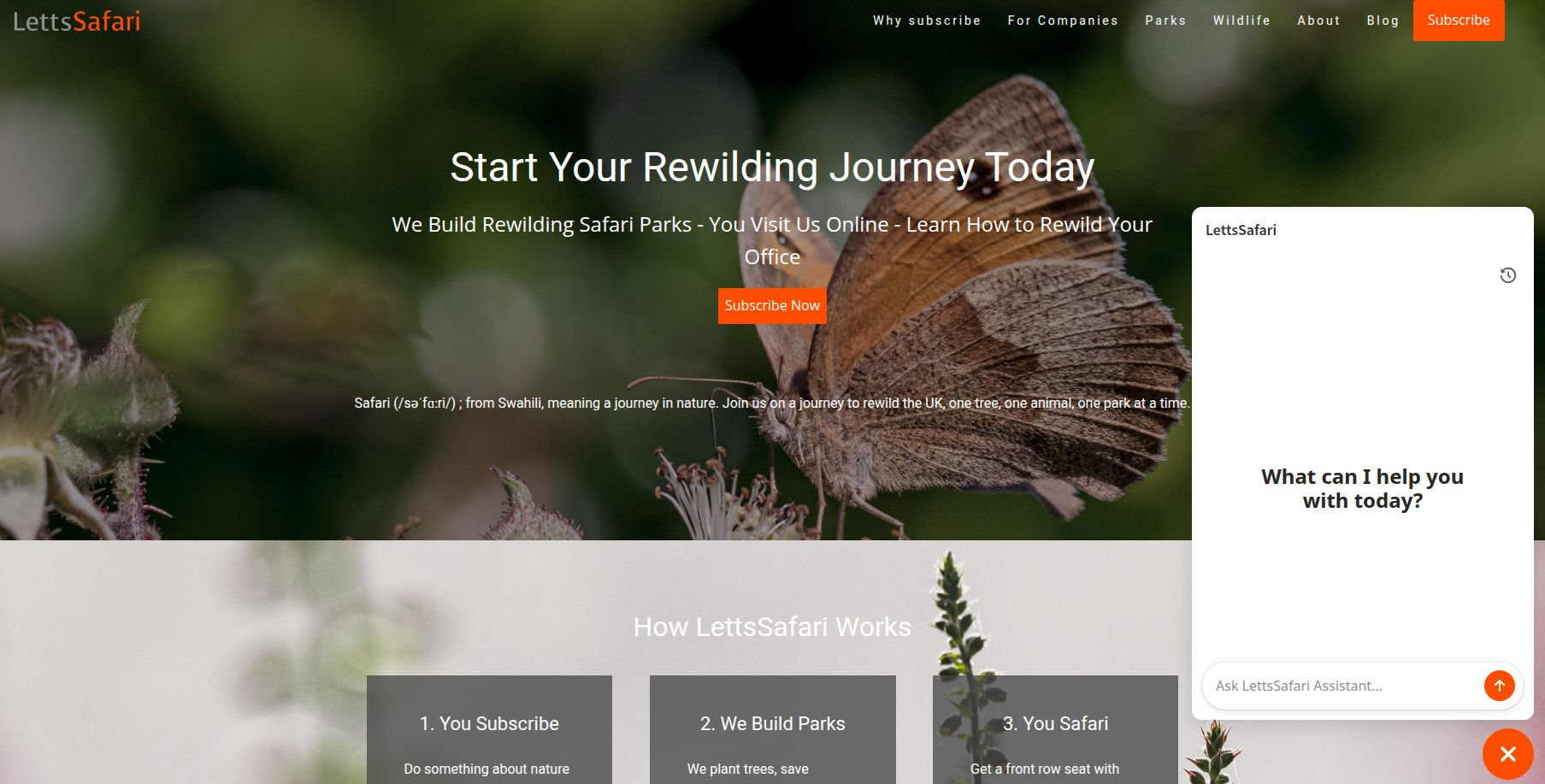
The AI chatbot offers deep insights into various aspects of rewilding, including planting native species, creating habitats for wildlife, and understanding the ecological benefits of rewilding efforts. Users can engage in a conversation about specific plants, ask for tips on maintaining a rewilded space, or even explore how to create a mini-wildlife sanctuary in their backyards.
Additionally, the chatbot features extensive examples of rewilding projects and success stories that users can draw inspiration from. For instance, it highlights how urban spaces have been transformed into thriving habitats, showcasing real-life projects that have improved local biodiversity. This not only educates users but also fosters a sense of community among those interested in making a difference.
Moreover, LettsSafari’s AI chatbot is designed to be user-friendly and engaging. Its conversational tone helps demystify the complex topic of rewilding, making it approachable for individuals of all ages. By breaking down barriers to understanding, LettsSafari hopes to encourage more people to take part in nature restoration efforts.
As the world grapples with environmental challenges, such as habitat loss and declining species populations, initiatives like LettsSafari's chatbot play a crucial role in empowering individuals to take action. The platform not only educates users about the importance of biodiversity but also equips them with practical tools to contribute positively to their local ecosystems.
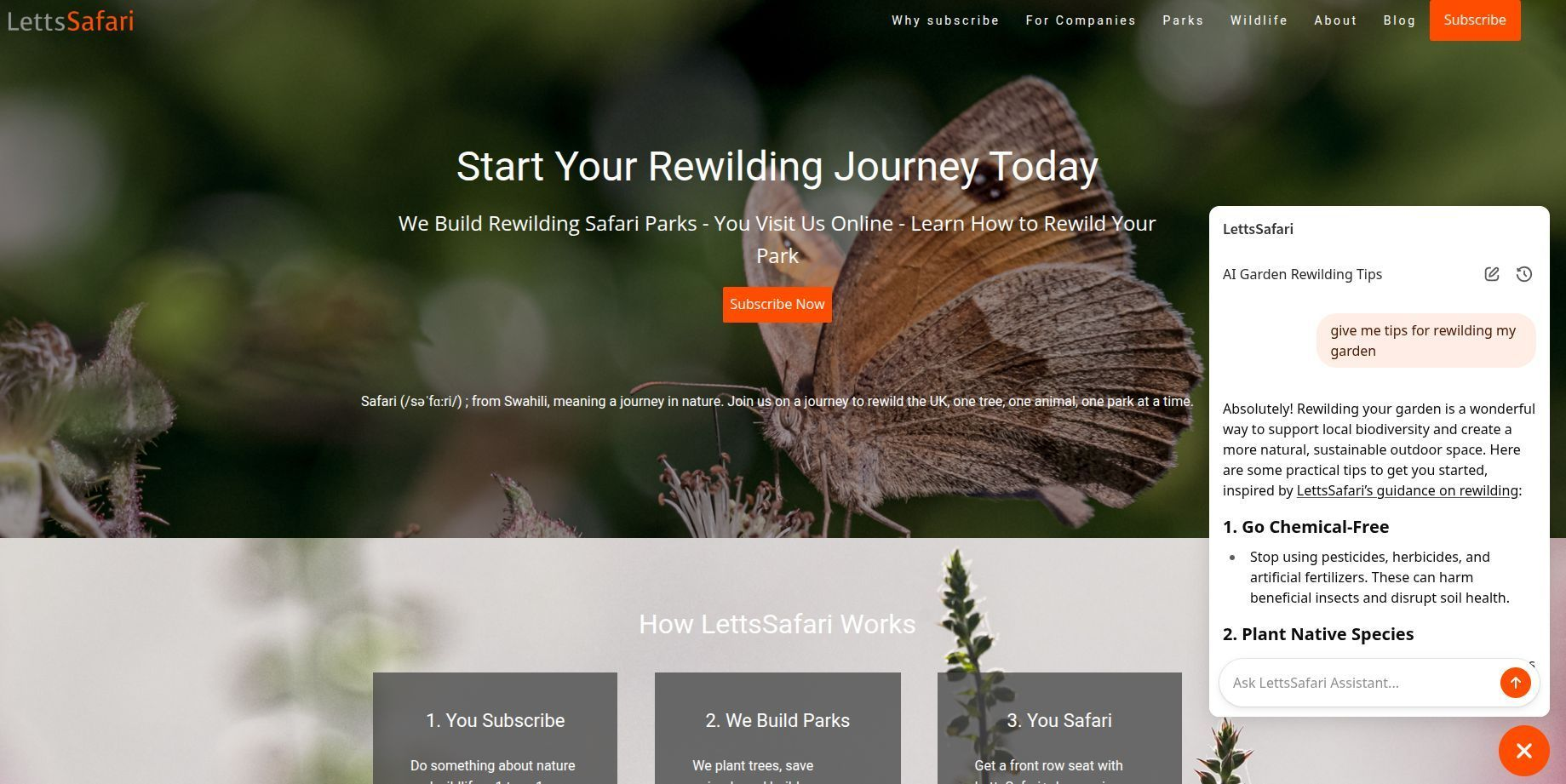
In addition to the chatbot, LettsSafari continues to expand its digital platform, providing a wealth of resources aimed at inspiring and educating the public. From informative articles to interactive forums, the organisation is committed to fostering a vibrant community of rewilding enthusiasts.
LettsSafari encourages everyone to visit lettssafari.com today to experience the AI chatbot for themselves. By integrating technology with ecological awareness, LettsSafari is leading the charge in making rewilding an accessible and enjoyable pursuit for all.
LettsSafari’s launch of their AI chatbot marks a significant milestone in the rewilding movement. It embodies the spirit of innovation and community engagement, proving that everyone can play a part in restoring nature. So, whether you’re looking to rewild your garden or simply learn more about the benefits of biodiversity, LettsSafari is here to guide you every step of the way.
There’s a quiet kind of climate paralysis that comes from good intentions. We know the problem is big. We know individual action isn’t everything . So we wait. For better systems. Bigger change. Someone else to go first. But here’s the thing: rewilding doesn’t wait for perfection.
Every rewilding project starts imperfectly. There’s always uncertainty. Weather. Soil. Human habits.
But progress comes from starting - not from certainty.
The same is true in cities. A single balcony won’t solve climate change. But it will :
And when repeated thousands, maybe millions, of times, those effects compound.
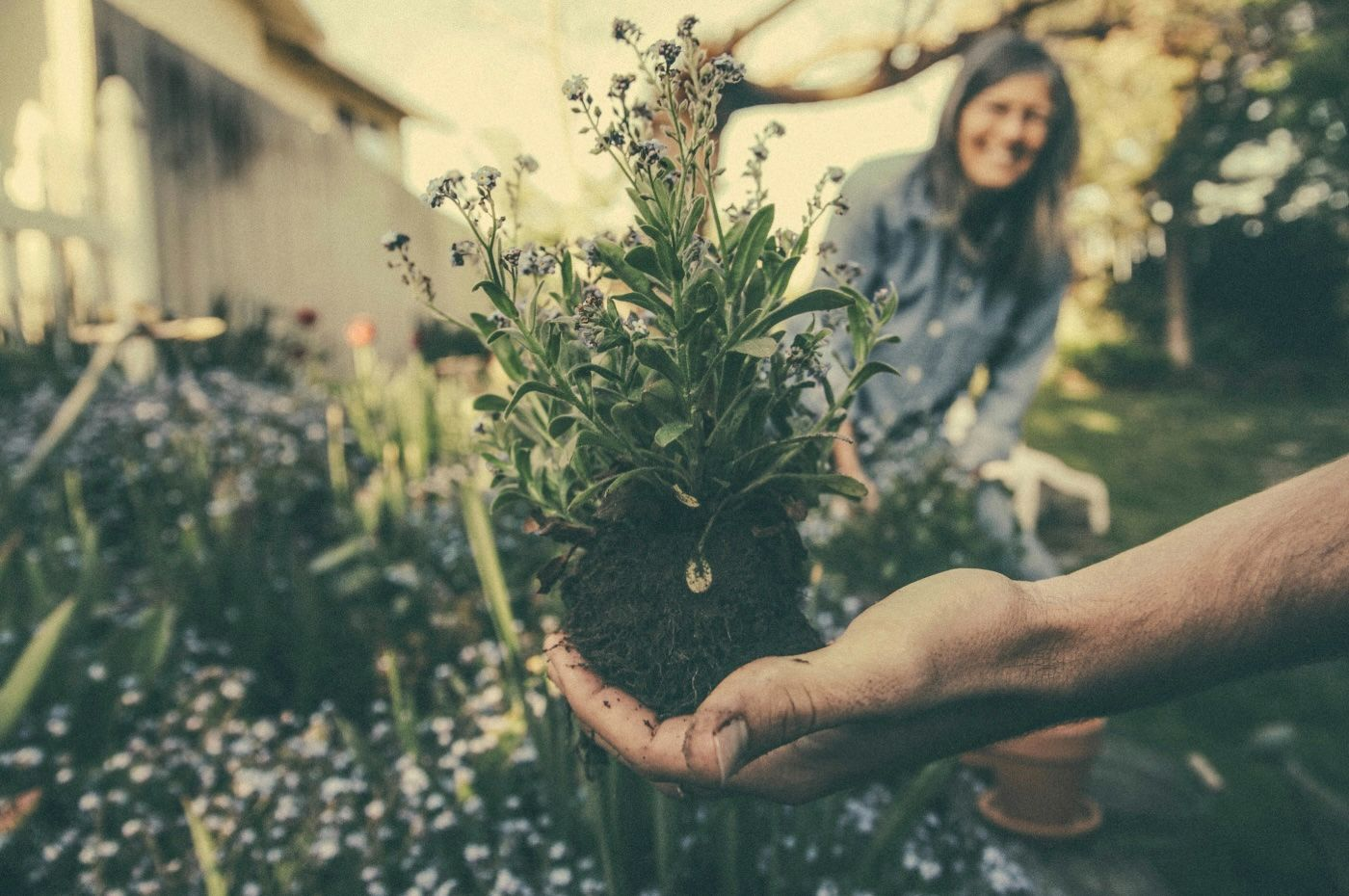
Climate conversations often fixate on scale. Bigger projects. Bigger budgets.
But ecological scale is often achieved through repetition.
One planter becomes many.
One choice becomes a habit.
One small action becomes a signal that this matters.
This is how ecosystems recover. And this is how smaller-scale rewilding works. Gradually, then suddenly.
Rewilding doesn’t require dramatic transformation. It asks for a shift in how we see space.
Not “What should this look like?” but “Who could live here?”
That question changes everything - whether you’re restoring land in Devon or tending a window box in London.
Our subscription isn’t about grand gestures. It’s about steady support - for projects on the ground and for people trying to make space for nature in everyday life.
Behind-the-scenes updates show what’s happening in Devon. Rewilding tips help translate those lessons into real, manageable actions at home.
Because doing something regularly beats waiting to do everything once.
****************************************
Subscribe to LettsSafari
Support our rewilding parks, get exclusive content of our projects and even receive expert tips to transform your garden, community, public or work spaces into a wildlife haven.
🌱 For every 10 new subscribers we plant a tree a year.
🦔 For every 100, we release an endangered animal.
🌳 And for every 10,000 we create a new rewilding safari park a year!
Make A Difference: Together We Can Rewild To Restore Nature.
Sign up TODAY
!
****************************************
Does small-scale rewilding really make a difference?
Yes. Individually, the impact is modest. But repeated across thousands of balconies, gardens, public and shared spaces, these actions create real habitat, food sources and ecological links in cities.
Do I need a garden to get involved in rewilding?
Not at all. Rewilding can happen in a window box, planter, balcony or shared courtyard. What matters is allowing space for nature to complete its cycles, not the size of the space.
What does a LettsSafari subscription actually support?
Your subscription supports hands-on rewilding projects in Devon and gives you practical, realistic tips to apply those same principles at home - focusing on steady, doable actions rather than one-off gestures.
Most gardens are designed like spreadsheets: lawn here, border there, fence at the back, patio at the front, neat boxes with hard edges. But nature doesn’t work like that. Nature is all about gradients . The most exciting thing we’re publishing at LettsSafari next is a practical, detailed guide to ecotones : the transition zones between habitats (like lawn-to-meadow, hedge-to-trees, pond-to-damp meadow). These “in-between” areas are often where life gets densest, because they can support species from both neighbouring habitats plus specialist species that thrive in the transition itself.
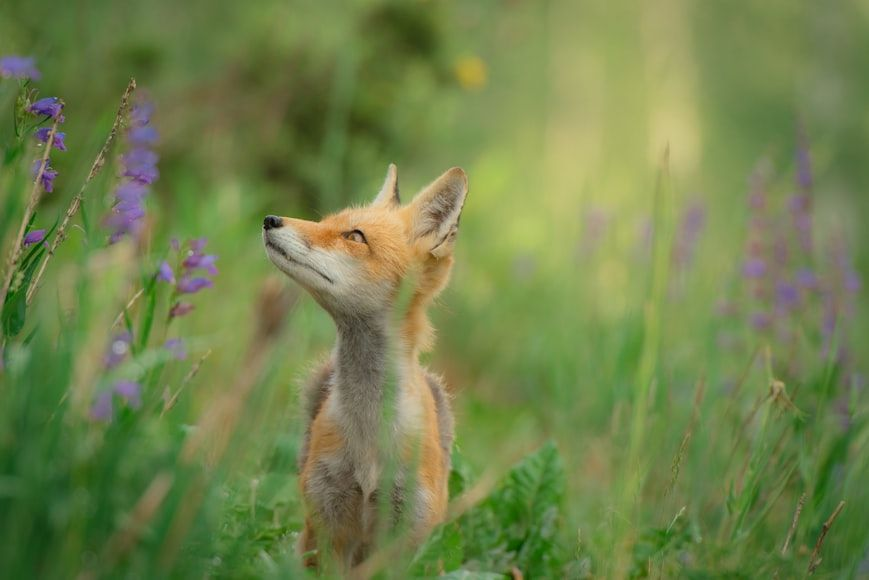
Here’s the killer insight: your domestic garden is already full of ecotones waiting to happen. That strip where the lawn meets the fence. The dead space between a border and paving. The edge around a pond (or even a damp corner that always holds water). Right now those edges are usually abrupt. Our guide, coming out next week, shows how to turn them into soft, layered transitions: let the lawn fade into longer grasses and wildflowers; let wildflowers blend into larger plants and shrubs; let shrubs reach toward small trees; let pond edges blur with marginal plants and moisture-loving vegetation. No grand redesign required, just a smarter way of joining the dots.
The guide is built for real life: small and medium gardens, courtyards, and micro urban parks , with beginner-friendly steps you can do in weekends. You’ll get practical ecotone “recipes” (plug-and-play layouts), plus clear guidance for Britain first (with easy swap lists for temperate Europe and North America). And we’ll go beyond vibes: we’ll recommend specific native-or-near-native plants, shrubs, hedges and small trees - and explain what they attract, from pollinators and hoverflies to songbirds, hedgehogs and pond wildlife.
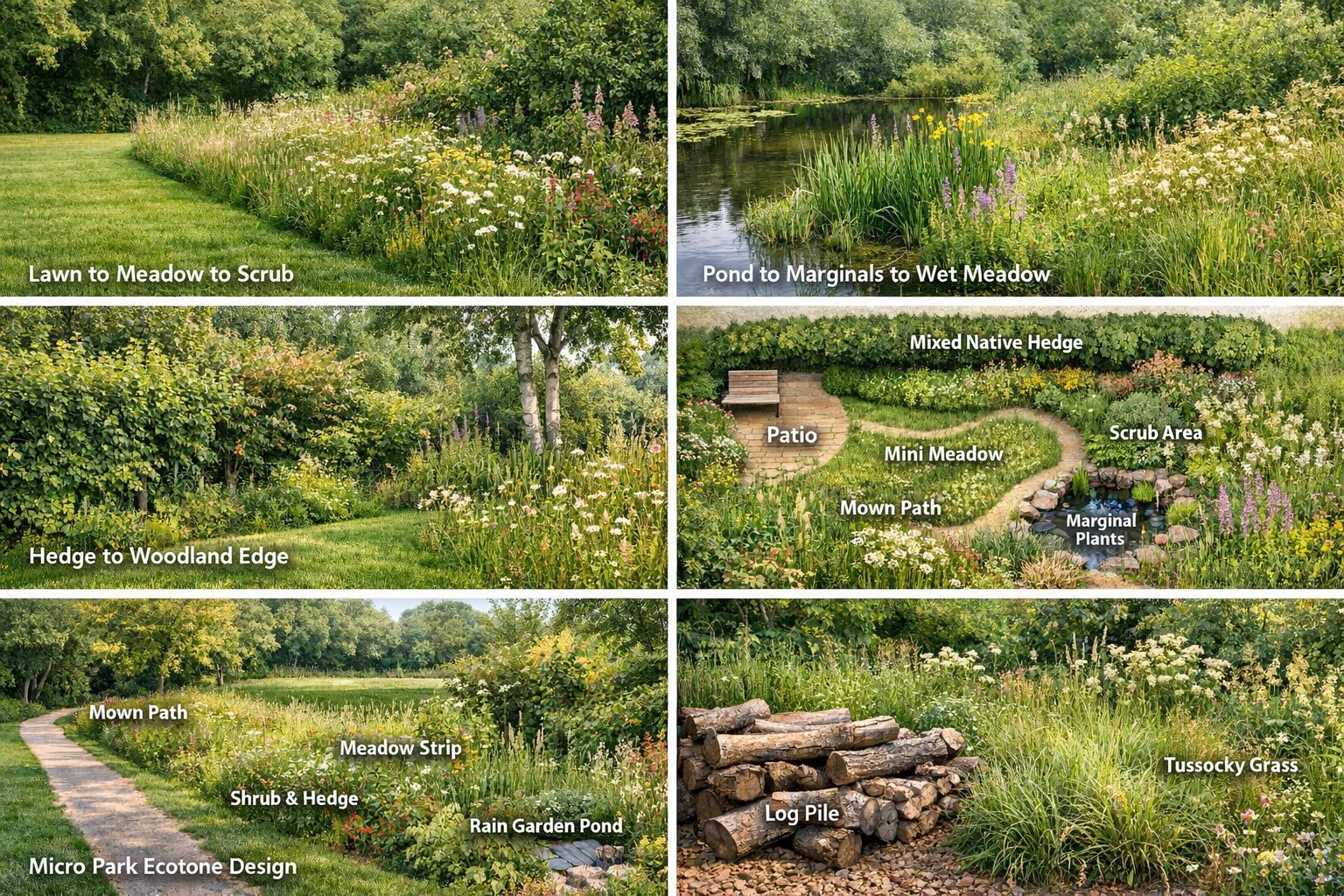
Expect a practical, action-oriented guide: quick site mapping, choosing your core habitats, converting hard lines into living bands, and a simple maintenance rhythm that keeps edges flowering, fruiting and sheltering year-round. We’ll show you how to create “flow” of shade, moisture and cover, so the garden starts behaving like a miniature landscape instead of a set of isolated features. It’s the LettsSafari mission in action: smaller-scale rewilding to the masses , one brilliant edge at a time.
If you’re a LettsSafari member, you’re going to love this guide, because it makes rewilding feel obvious. And if you’re on LettsSafari+ (or thinking about it), it’s the perfect community challenge: share your before/after edge photos, log what arrives, and swap the ecotone wins that work in real gardens. Starting next week: your “boring boundary line” is about to become the most alive part of your garden.
Start your rewilding journey today - become a member of LettsSafari .
Most cities weren’t designed with wildlife in mind. They were designed for speed, density, efficiency. And yet nature keeps turning up anyway.
In cracks > on rooftops > along forgotten edges.
Running rewilding projects in Devon has taught us something important: nature doesn’t need an invitation written in planning permission language. It just needs opportunity. Our smaller scale rewilding in our parks transfers so easily to the city.
When we begin a rewilding project, the first thing we usually do is… less.
Less mowing.
Less interference.
Less assumption that we know best.
Very quickly, landscapes start to respond. Wildflowers appear that haven’t been seen for years. Insects return. Birds follow.
This isn’t nostalgia. It’s ecology doing what it does when pressure is reduced.
Now scale that down.
A shared garden that stops being cut every two weeks.
A planter that swaps decorative plants for native ones.
An office courtyard that allows flowering plants to complete their cycle.
The same process happens - just on a smaller canvas.
Urban rewilding isn’t about copying the countryside. It’s about applying the same principle: create space, then step back .
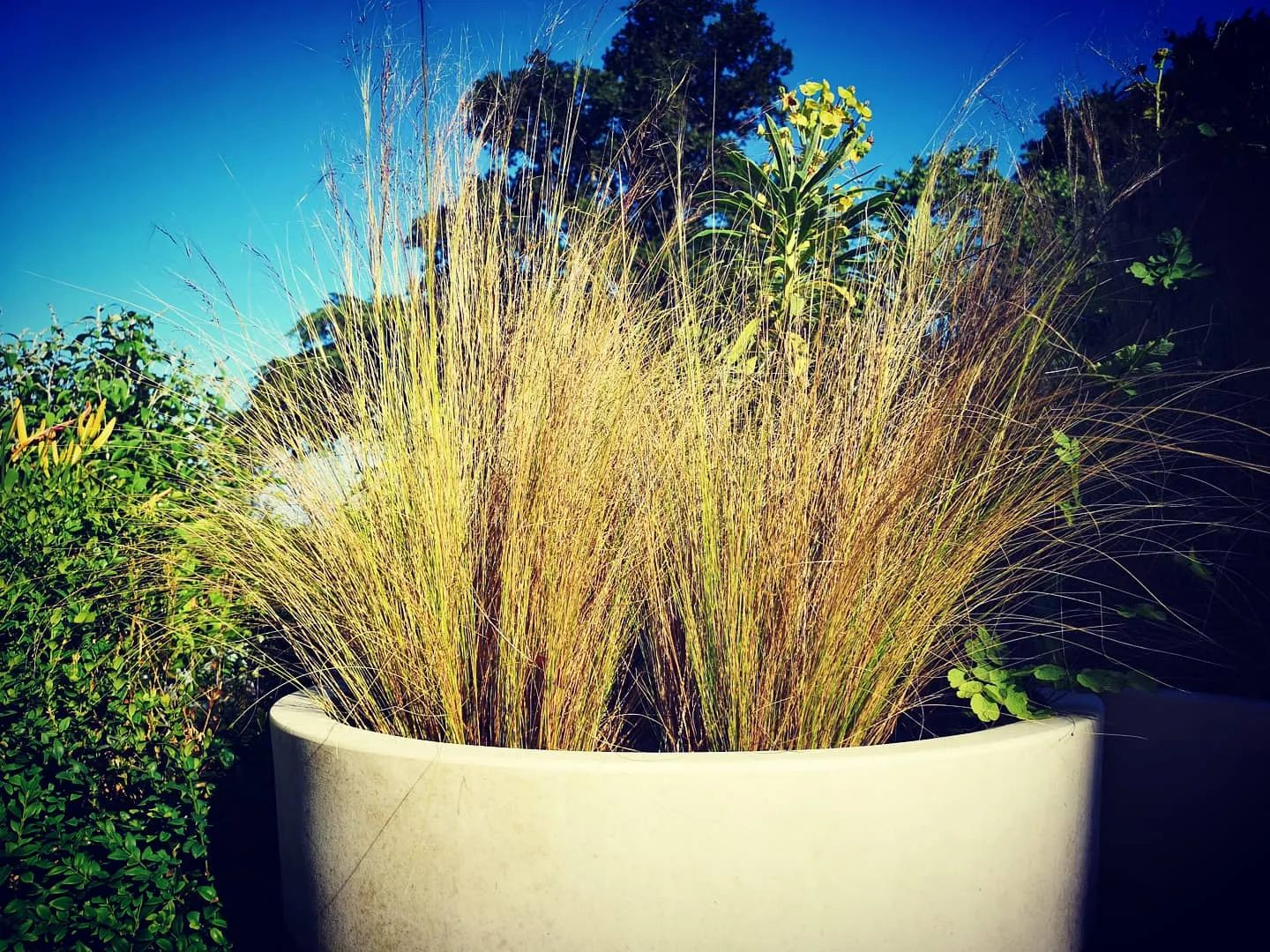
One of the biggest myths we hear is that rewilding requires ownership. In reality:
Rewilding can be flexible. Quiet. Adaptable.
It can live quite happily in borrowed spaces.
Our Devon rewilding projects give us living laboratories. They show what happens when ecosystems are allowed to rebuild - and they remind us that nature is resilient when supported consistently.
Subscribers help fund that work. In return, we share what we’re learning so it can be applied anywhere - including the middle of a city.
No meadows required.
Just curiosity, patience, and a willingness to let nature lead.
****************************************
Support our rewilding parks, get exclusive content of our projects and even receive expert tips to transform your garden, community, public or work spaces into a wildlife haven.
🌱 For every 10 new subscribers we plant a tree a year.
🦔 For every 100, we release an endangered animal.
🌳 And for every 10,000 we create a new rewilding safari park a year!
Make A Difference: Together We Can Rewild To Restore Nature.
Sign up TODAY
!
As January settles in and the chill of winter wraps around your rewilded garden, naturally you will start reflecting on the beauty of this dormant season. While trees, shrubs, and most plants lie asleep, now is the perfect time to undertake a careful tidy-up that respects the natural rhythms of the garden. This month is about trimming trees, shaping hedges, and preparing your space for the wildlife that will soon return with the warmth of spring.
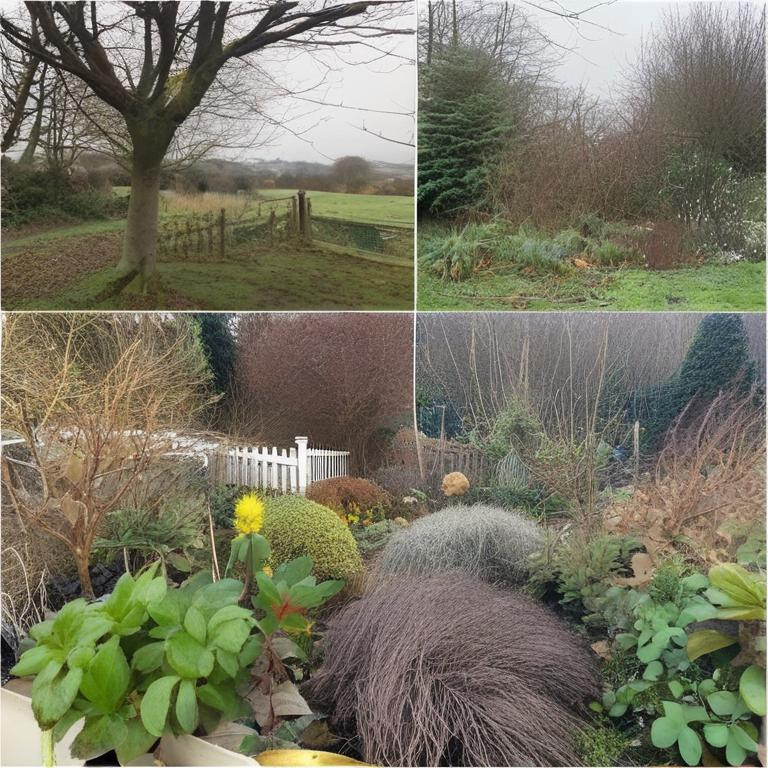
One of the first tasks on the list should be to trim back any overgrown branches on trees. In a rewilded garden, it’s crucial to preserve the health of the tree structures, allowing sunlight to filter through and encouraging the growth of understorey plants. By making careful cuts, you can maintain the natural shape of the trees while ensuring they remain strong and resilient for the seasons ahead.
Pruning trees is an essential part of their maintenance, as it helps promote healthy growth, remove dead or damaged branches, and improve the overall appearance of the tree. However, pruning can also be stressful for the tree if not done correctly. Follow these 3 important tips focusing on timing, tools, and the 1/3 rule.
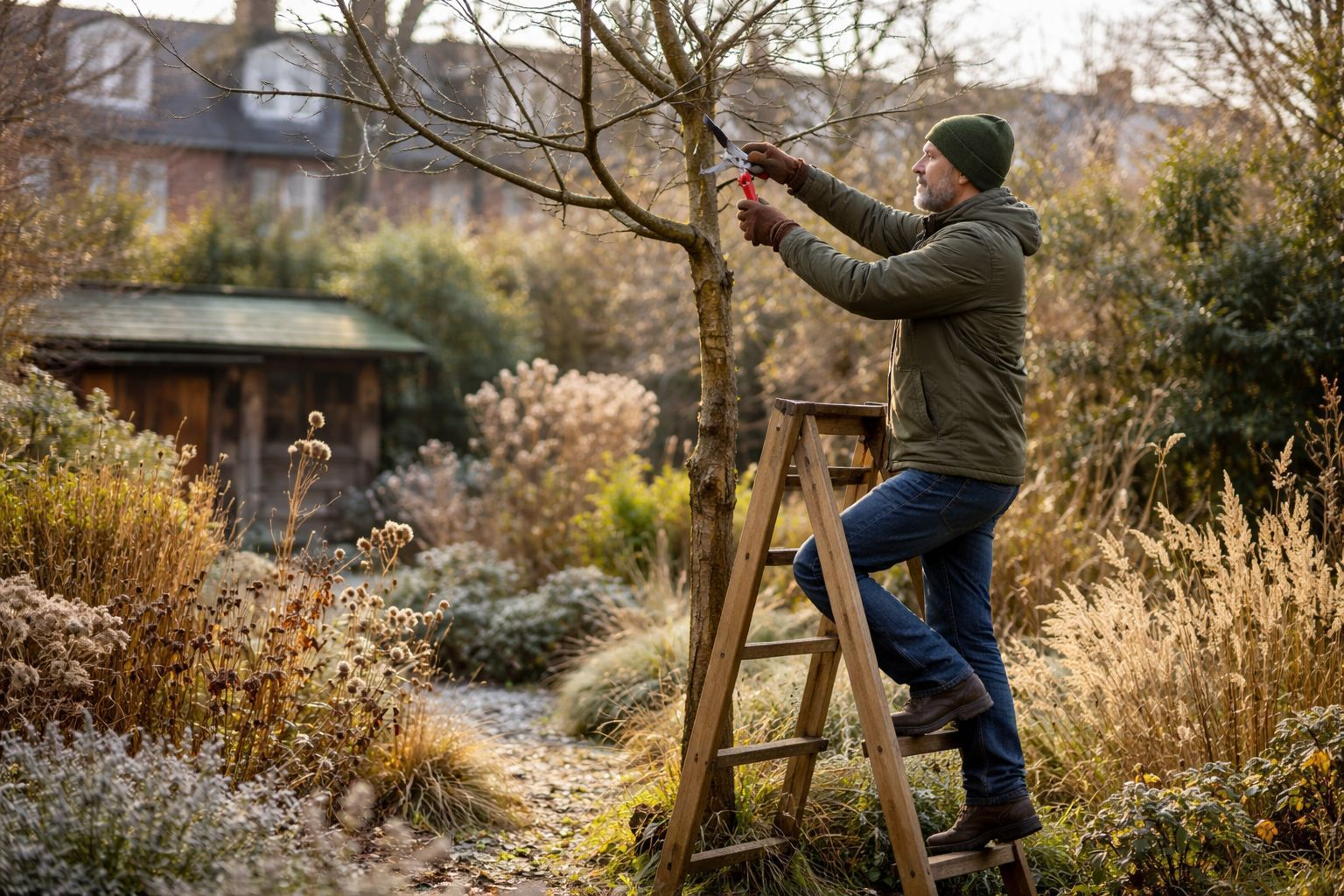
Timing is Key: The best time to prune most trees is during their dormant season, which typically lasts from late winter to early spring. Pruning during this time minimises stress on the tree and promotes healthy growth in the upcoming seasons. This is because the tree is not actively growing during its dormant season, so it can focus its energy on healing any wounds caused by pruning. Additionally, pruning during the dormant season reduces the risk of disease, as the tree is less susceptible to infection during this time.
Use the Right Tools: To ensure clean cuts and prevent damage to the tree, it is crucial to use sharp and clean pruning shears or saws. Dull tools can cause tearing and splitting of the tree's tissue, leading to wounds that are more susceptible to disease. In addition, using the right tools helps reduce the risk of disease transmission between trees and other plants in the surrounding area. Always disinfect your pruning tools after use to prevent the spread of diseases.
Follow the 1/3 Rule: When pruning, it is important to avoid removing more than one-third of a tree's foliage at once. This rule helps maintain the tree's health and ensures it can continue to photosynthesise effectively. Removing too much foliage can cause the tree to become stressed, leading to reduced growth and poor overall health. By following this rule, you can ensure your tree remains healthy and thrives in the long term. Try and avoid branches growing into each other.
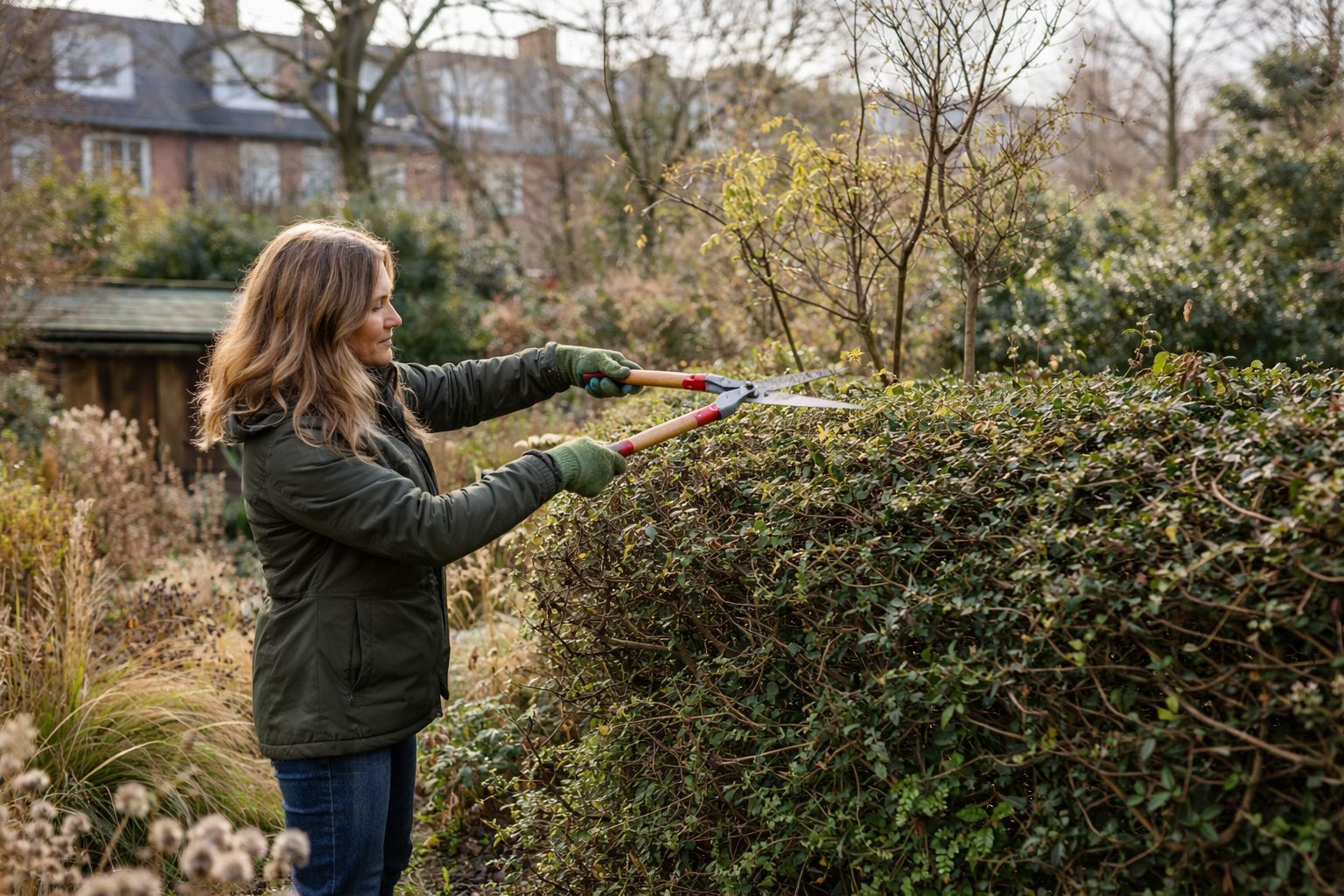
Shaping hedges is another crucial task. At LettsSafari we prefer to maintain a more natural look rather than a perfectly manicured hedge. This approach not only enhances the aesthetic but also provides shelter and nesting sites for birds and small mammals. When trimming, make sure to leave some branches a little longer, creating a haven for wildlife to thrive. Wavy hedges can look amazing and provide a more layered support for wildlife.
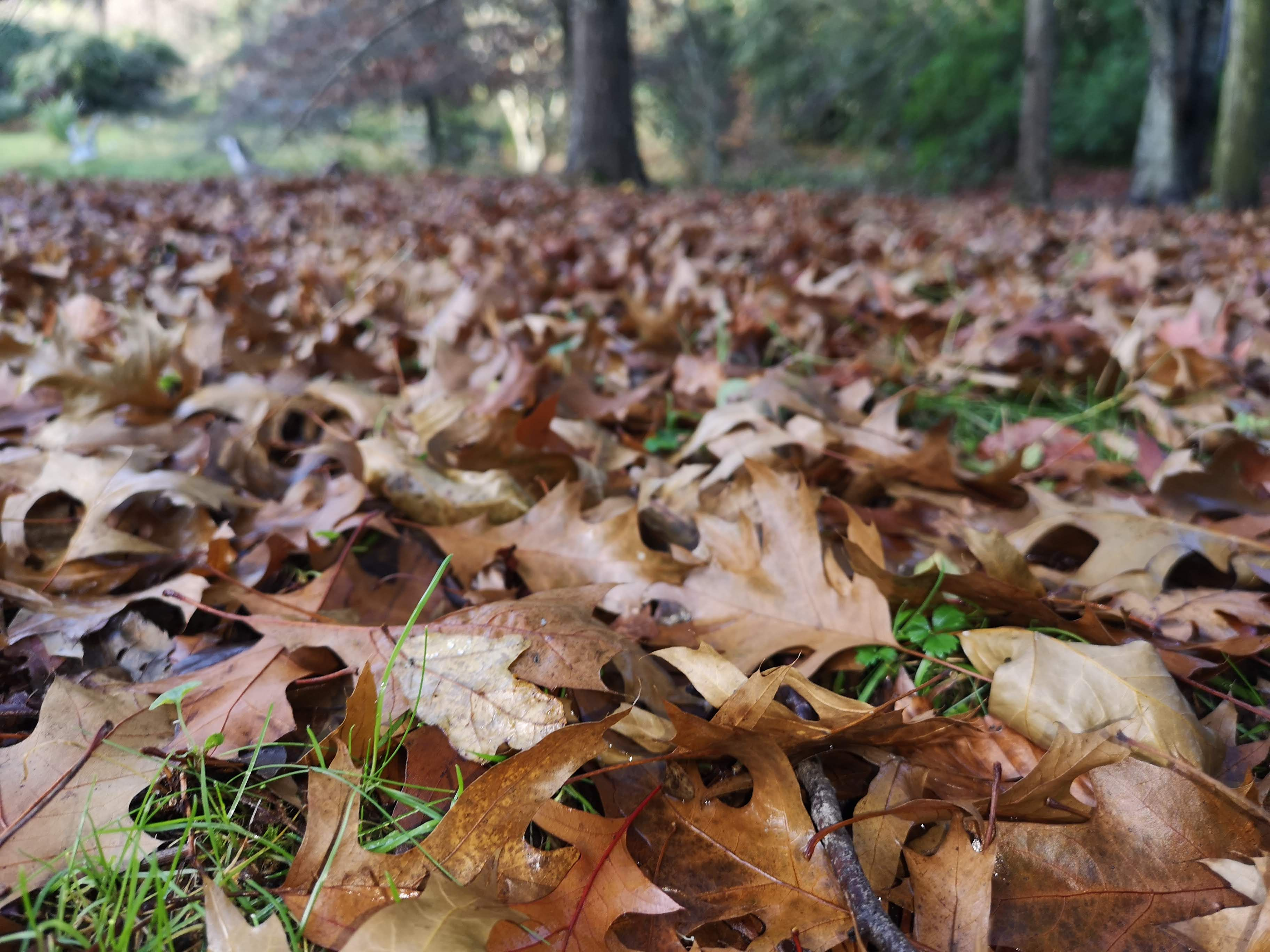
As you work through the garden, be mindful of the fallen leaves scattered across the beds. These leaves are a vital resource, providing habitat for beneficial insects and enriching the soil as they decompose. You should only clear the leaves from the grass areas, where they could smother the blades and cause damage. Instead, keep them in the garden beds, where they will serve as a natural mulch, retaining moisture and providing nutrients as they break down.
January is also an ideal time to add infrastructure that supports wildlife. You could create a rock corner, a small yet impactful feature that will attract a variety of creatures, from insects to small mammals. The rocks will provide warmth during the colder months and shelter from predators. Additionally, consider starting to build a log pile with loose branches and leaves on top, which not only creates a habitat for insects but also serves as a great resource for birds seeking nesting materials come spring.
Another project on your agenda is digging in a small pond. Water features attract a plethora of wildlife, including frogs, dragonflies, and birds. Not only does a pond provide a drinking source, but it also encourages biodiversity by creating a unique habitat. Envision a tranquil spot where you can sit and enjoy the sights and sounds of nature coming alive.
It's the start of the year so use a journal or diary to plan and record your activity, take notes and add photographs and videos of your progress and observations from other rewilding projects or platforms like LettsSafari. We recommend Jot, which is a digital diary and planner we all use, that brings together all the tools and structure necessary to plan, record, analyse and support your smaller-scale rewilding projects and progress. You can sign up for free at getjot.ai .
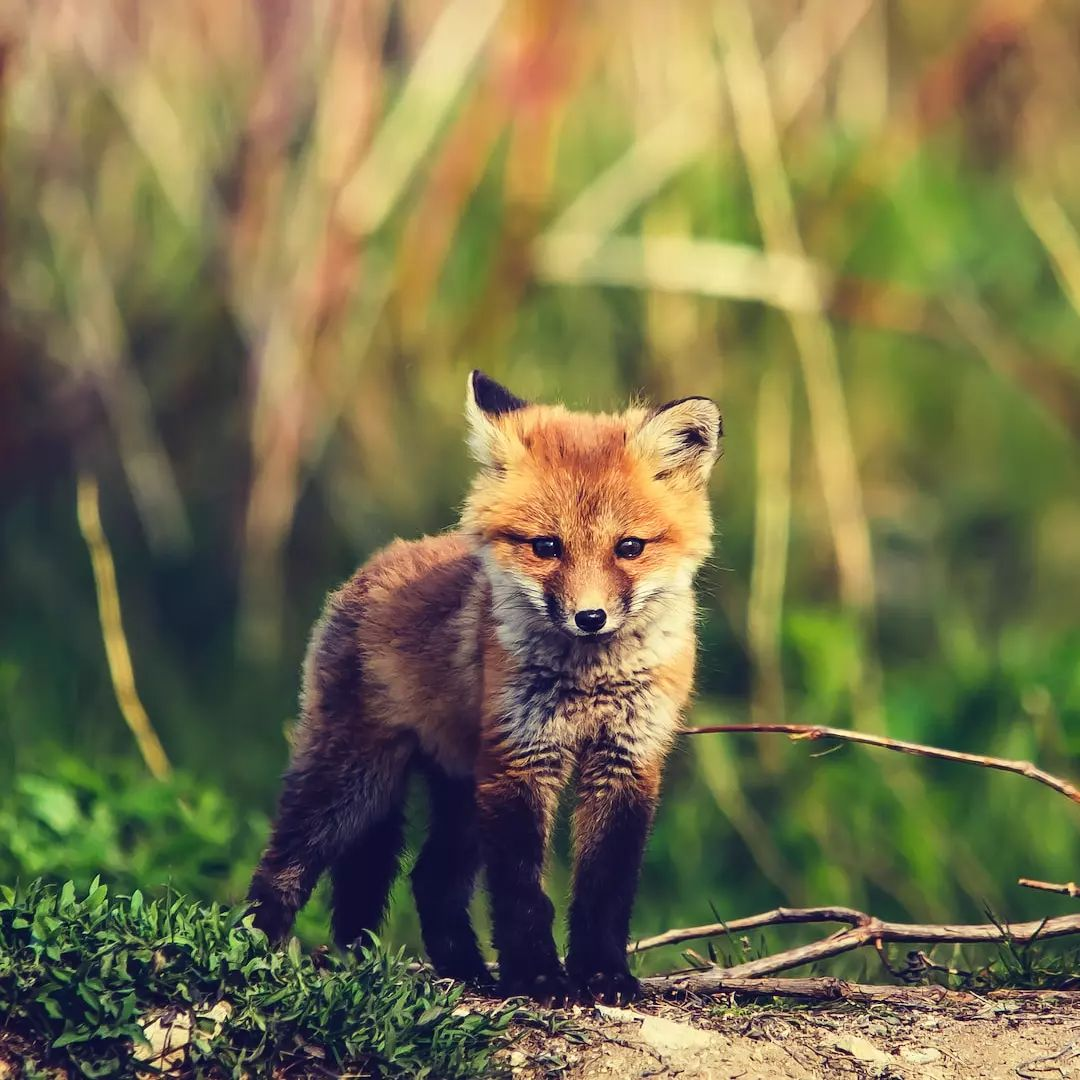
Beyond these activities, there are several other winter gardening practices that align with the ethos of rewilding. For example, take time to assess the overall health of your garden or other green space. Observing how different plants interact and thrive can help make more informed decisions for the upcoming growing season. Also check on any wildlife that may have taken refuge in your garden, ensuring their habitats remain undisturbed.
Creating spaces for wildlife is not just about aesthetics; it’s about fostering a thriving ecosystem. We've learned that even in winter, there is much to observe and appreciate. The bare branches of trees reveal nests that once held baby birds, and the quiet corners of most gardens and green spaces provide a glimpse into the hidden lives of insects. This season serves as a reminder that gardening is not just about cultivating plants but also about nurturing the delicate web of life that exists all around us.
As you conclude your January tidy-up, you will feel a sense of accomplishment and anticipation. Each task completed contributes to the ongoing restoration of your green space, making it a sanctuary for wildlife and a haven for nature enthusiasts. By embracing the winter months and approaching gardening with a spirit of rewilding, You could be creating a vibrant, biodiverse space that will flourish for years to come.
Start your rewilding journey today. Become a member of LettsSafari .
Rewilding often gets framed as something vast and rural. Big landscapes. Big funding. Big, muddy boots.
But here’s what we’ve learned running rewilding projects at LettsSafari : nature doesn’t actually need very much to get started.
Sometimes it just needs a pot. A ledge. A corner that’s allowed to grow a little wild. The power of smaller scale rewilding.
In Devon, we see it all the time. Give land a bit of breathing space and nature rushes in - grasses first, then flowers, then insects, then birds. Not because we forced it, but because ecosystems want to recover.
What surprised us most was how well these same principles translate to cities.
A balcony in London isn’t a meadow but it can still be habitat.
Pollinators don’t care if nectar comes from a field or a planter. Soil life doesn’t mind if it lives in a reclaimed container. And birds are remarkably good at stitching together green stepping stones across urban landscapes.
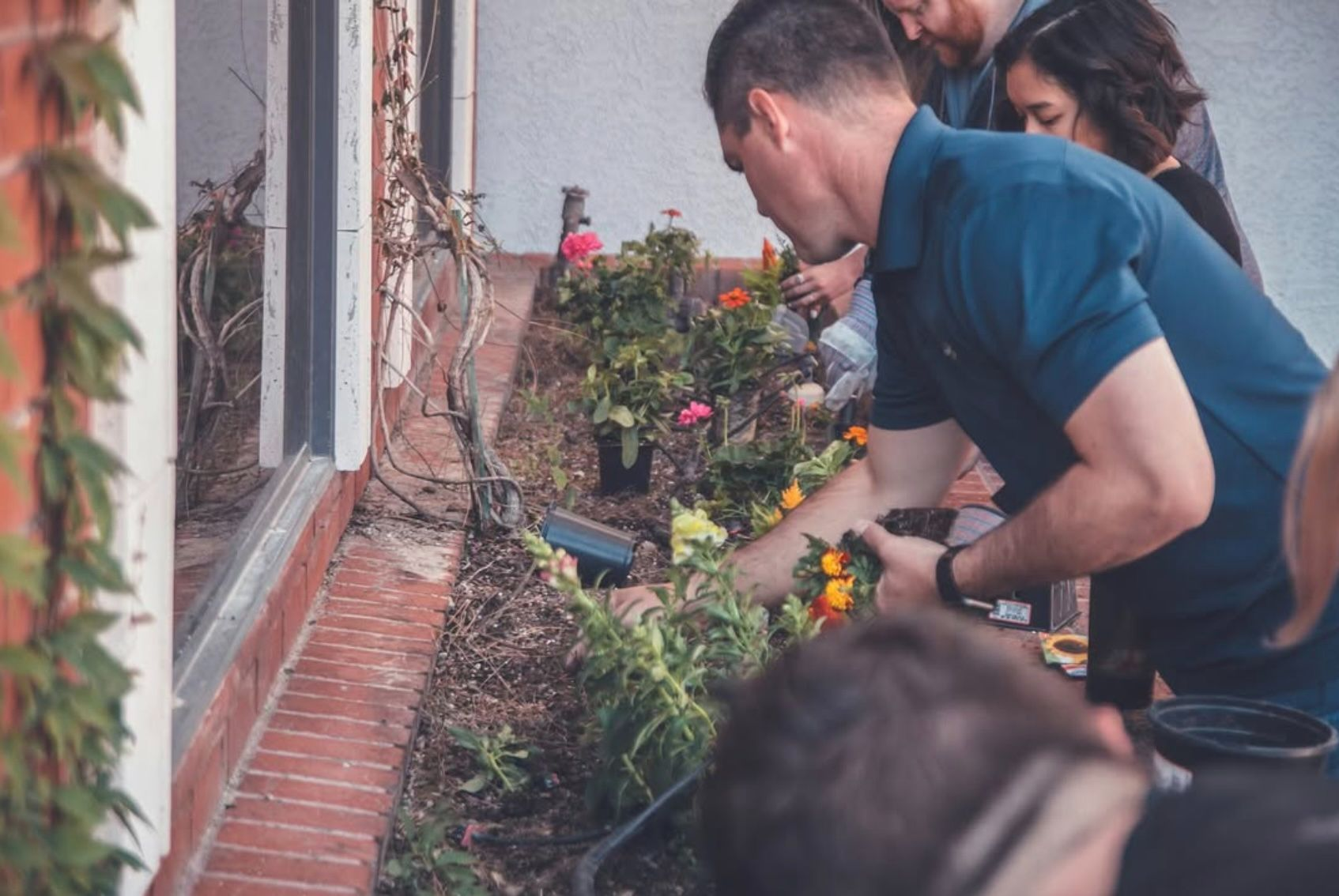
Cities often feel disconnected from nature, but they’re actually full of hidden potential. Thousands of balconies. Courtyards. Window boxes. Office terraces. Shared gardens.
Individually, they seem insignificant. Collectively, they form something powerful: a network.
That network matters because:
Rewilding doesn’t fail because spaces are too small. It fails when we assume small means pointless.
This is where many people get stuck. Climate change feels overwhelming, so we wait for “proper” solutions. Government policy. Massive infrastructure. Someone else.
But rewilding works precisely because it doesn’t wait for perfect conditions.
A few native plants.
Letting something flower instead of tidying it away.
Choosing life over neatness.
These aren’t symbolic gestures. They’re practical ones.
Our projects may be based in Devon, but the lessons travel well. What we learn restoring land here feeds directly into the rewilding tips we share with subscribers living in cities.
You don’t need to move to the countryside to support nature. You just need to give it somewhere to begin.
Because small actions actually matter.
And they add up faster than you think.
****************************************
Support our rewilding parks, get exclusive content of our projects and even receive expert tips to transform your garden, community, public or work spaces into a wildlife haven.
🌱 For every 10 new subscribers we plant a tree a year.
🦔 For every 100, we release an endangered animal.
🌳 And for every 10,000 we create a new rewilding safari park a year!
Make A Difference: Together We Can Rewild To Restore Nature.
Sign up TODAY
!
****************************************
Yes. Even small planters can provide nectar, shelter and stepping-stone habitat for pollinators and other urban wildlife. When repeated across many homes, these small spaces add up to meaningful biodiversity support.
Start with a few native, pollinator-friendly plants in a pot or window box, avoid pesticides and let plants flower for as long as possible. Small, consistent actions are the most effective way to begin.
Small actions create repeatable habitat, support pollinators, improve local biodiversity and help build a city-wide network of green spaces. When many people take small steps, the collective impact becomes significant.
LettsSafari subscriptions support rewilding projects in Devon with behind-the-scenes updates and rewilding tips designed for real urban life, including balconies, small gardens, shared spaces and workplaces.
Rewilding often gets framed as something vast and rural. Big landscapes. Big funding. Big, muddy boots.
But here’s what we’ve learned running rewilding projects at LettsSafari : nature doesn’t actually need very much to get started.
Sometimes it just needs a pot. A ledge. A corner that’s allowed to grow a little wild. The power of smaller scale rewilding.
In Devon, we see it all the time. Give land a bit of breathing space and nature rushes in - grasses first, then flowers, then insects, then birds. Not because we forced it, but because ecosystems want to recover.
What surprised us most was how well these same principles translate to cities.
A balcony in London isn’t a meadow but it can still be habitat.
Pollinators don’t care if nectar comes from a field or a planter. Soil life doesn’t mind if it lives in a reclaimed container. And birds are remarkably good at stitching together green stepping stones across urban landscapes.
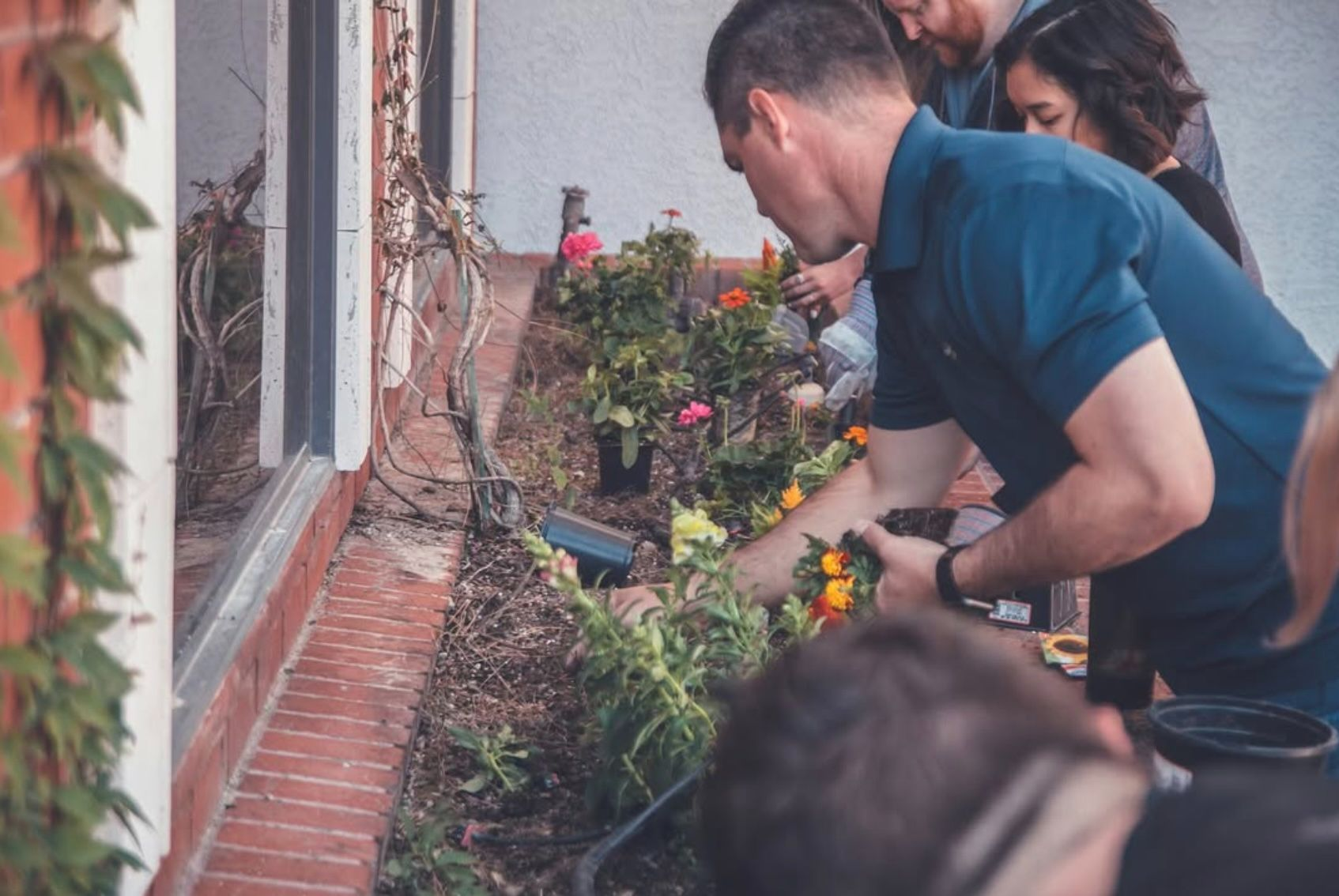
Cities often feel disconnected from nature, but they’re actually full of hidden potential. Thousands of balconies. Courtyards. Window boxes. Office terraces. Shared gardens.
Individually, they seem insignificant. Collectively, they form something powerful: a network.
That network matters because:
Rewilding doesn’t fail because spaces are too small. It fails when we assume small means pointless.
This is where many people get stuck. Climate change feels overwhelming, so we wait for “proper” solutions. Government policy. Massive infrastructure. Someone else.
But rewilding works precisely because it doesn’t wait for perfect conditions.
A few native plants.
Letting something flower instead of tidying it away.
Choosing life over neatness.
These aren’t symbolic gestures. They’re practical ones.
Our projects may be based in Devon, but the lessons travel well. What we learn restoring land here feeds directly into the rewilding tips we share with subscribers living in cities.
You don’t need to move to the countryside to support nature. You just need to give it somewhere to begin.
Because small actions actually matter.
And they add up faster than you think.
****************************************
Support our rewilding parks, get exclusive content of our projects and even receive expert tips to transform your garden, community, public or work spaces into a wildlife haven.
🌱 For every 10 new subscribers we plant a tree a year.
🦔 For every 100, we release an endangered animal.
🌳 And for every 10,000 we create a new rewilding safari park a year!
Make A Difference: Together We Can Rewild To Restore Nature.
Sign up TODAY
!
****************************************
Yes. Even small planters can provide nectar, shelter and stepping-stone habitat for pollinators and other urban wildlife. When repeated across many homes, these small spaces add up to meaningful biodiversity support.
Start with a few native, pollinator-friendly plants in a pot or window box, avoid pesticides and let plants flower for as long as possible. Small, consistent actions are the most effective way to begin.
Small actions create repeatable habitat, support pollinators, improve local biodiversity and help build a city-wide network of green spaces. When many people take small steps, the collective impact becomes significant.
LettsSafari subscriptions support rewilding projects in Devon with behind-the-scenes updates and rewilding tips designed for real urban life, including balconies, small gardens, shared spaces and workplaces.
Every so often, television does something quietly radical. No major fanfares or VFX. Just truth, beauty and a gentle reminder that nature never actually left - we just stopped paying attention.
That’s exactly why Wild London , now showing on BBC One, feels like such a moment. As The Guardian put it: this is as good as telly gets.
And for anyone involved in rewilding, from national policy makers to people planting clover on a balcony, it lands like a quiet standing ovation.
What Wild London does brilliantly is refuse to treat the city as a lost cause.
Hosted by Sir David Attenborough, instead of framing urban spaces as ecological write-offs, Sir David shows London as it really is - a messy, accidental, stubbornly alive ecosystem.
No over-produced drama. No manufactured peril. Just patience, craft and deep respect for the subject.
In other words: nature, trusted to be interesting on its own terms.

One of the most powerful undercurrents in Wild London is this: rewilding isn’t a remote Highlands project or a fenced-off nature reserve.
It’s here .
It’s happening:
That idea sits right at the heart of what we do at LettsSafari. Like Wild London we say:
That’s why shows like this matter. They don’t just entertain - they reframe what feels possible.
And once something feels possible, people act.
At LettsSafari, we work on the same principle Wild London celebrates: rewilding works best when it’s accessible, local and human-scale .
Our approach supports:
No perfection required. No “expert” badge needed. Just curiosity, consistency and care.
If Wild London shows what’s already happening around us, LettsSafari exists to help you take part in it.
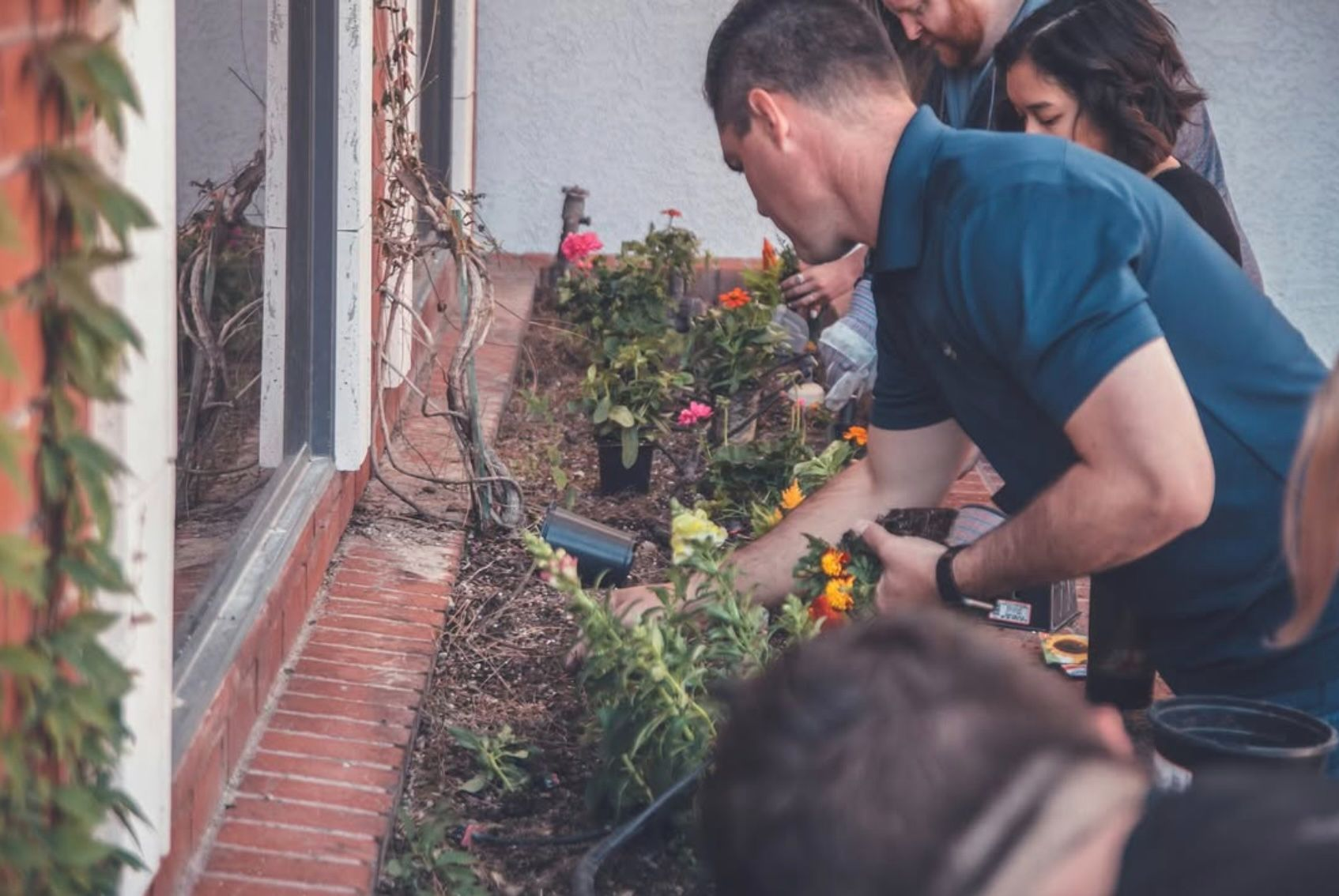
The Guardian was right. Television doesn’t get much better than this.
But the real magic of Wild London is that it doesn’t end when the credits roll.
It lingers the next time you notice weeds breaking through concrete.
Or birdsong cutting through traffic noise.
Or a patch of green that suddenly looks… busy.
Nature isn’t waiting for us to save it.
It’s waiting for us to notice, and then give it a little more room.
And honestly?
That might be the best story on TV right now. 🌱
****************************************
Subscribe to LettsSafari
Support our rewilding parks, get exclusive content of our projects and even receive expert tips to transform your garden, community, public or work spaces into a wildlife haven.
🌱 For every 10 new subscribers we plant a tree a year.
🦔 For every 100, we release an endangered animal.
🌳 And for every 10,000 we create a new rewilding safari park a year!
Make A Difference: Together We Can Rewild To Restore Nature.
Sign up TODAY
!
