Recent coverage in the Financial Times highlights a growing movement across the UK: gardeners are transforming even modest outdoor spaces into thriving habitats for birds and other wildlife. The message is encouraging. You don't need acres of countryside or expensive landscaping to make a real difference. Whether you have a small urban garden, a courtyard or even a patio with containers, thoughtful planting and simple changes can create valuable habitat that supports biodiversity.
At LettsSafari, we believe every garden can become part of something bigger. Small actions, repeated by thousands of people, have the power to reconnect nature across our towns and cities. Here's how you can start creating your own bird-friendly garden today.
Many familiar garden birds are facing increasing pressure from habitat loss, changing land use and a decline in natural food sources. Urban gardens have become increasingly important stepping stones, allowing birds to find food, shelter and safe places to breed.
The good news is that wildlife doesn't expect perfection. Birds are remarkably quick to discover gardens that provide what they need.
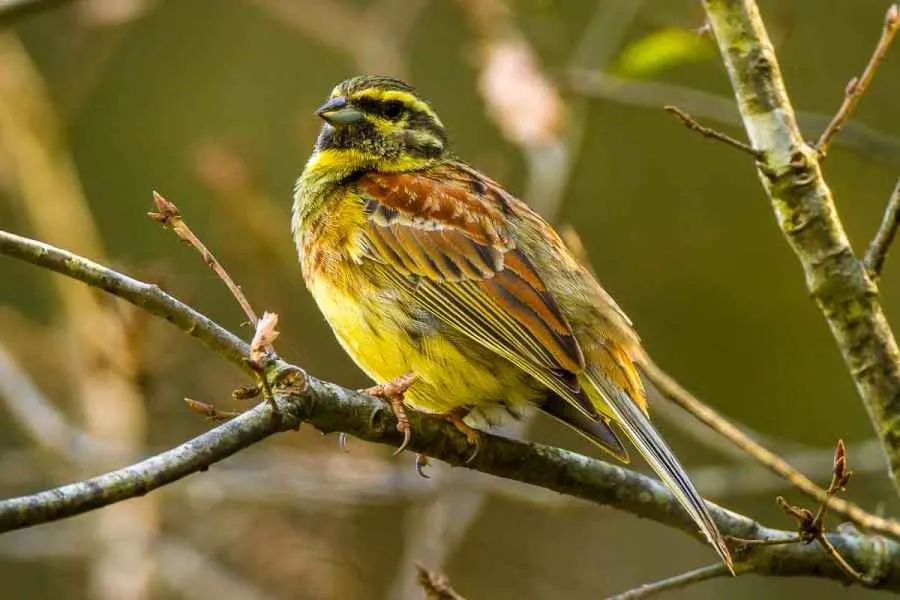
Bird feeders are helpful, but natural food sources provide much greater value.
Choose plants that produce:
Native species such as hawthorn, blackthorn, rowan and holly provide excellent seasonal food while supporting hundreds of native insect species.
Aim to have something flowering, fruiting or seeding during every season. A garden that offers year-round food becomes far more valuable for wildlife.
Birds use different parts of a garden for different purposes.
Think in layers:
Even in small gardens, varying plant height creates more opportunities for wildlife.
Fresh water is essential for drinking and bathing.
You don't need a large pond.
Simple options include:
Adding stones or gently sloping edges makes water accessible for insects as well as birds.
The perfect garden isn't always the best garden for wildlife.
Leave:
These features become homes for insects, which in turn provide food for birds.
Think of your garden as a living ecosystem rather than an outdoor showroom.
Reducing pesticides is one of the biggest positive changes you can make. Healthy gardens naturally develop a balance between predators and pests. Ladybirds, lacewings, frogs and birds all help keep populations under control. The more diverse your planting, the more resilient your garden becomes.
One wildlife-friendly garden is wonderful. Hundreds connected across a neighbourhood are transformational. Birds, bees, butterflies and hedgehogs don't recognise property boundaries. They simply need a network of safe places where they can feed, rest and breed. That's exactly why smaller-scale rewilding matters.
Creating a wildlife-friendly garden is just the beginning. LettsSafari helps people take practical action by making rewilding simple, rewarding and accessible.
As a subscriber you'll discover practical ideas for supporting wildlife in gardens, balconies and community spaces while helping fund larger rewilding projects across the UK. Every subscription contributes to measurable environmental impact:
If you're wondering where to begin, keep it simple.
This weekend:
Small improvements quickly become lasting habitats.
Nature responds surprisingly fast when we make room for it.
****************************************
Subscribe to LettsSafari
Support our rewilding parks, get exclusive content of our projects and even receive expert tips to transform your garden, community, public or work spaces into a wildlife haven.
🌱 For every 10 new subscribers we plant a tree a year.
🦔 For every 100, we release an endangered animal.
🌳 And for every 10,000 we create a new rewilding safari park a year!
Make A Difference: Together We Can Rewild To Restore Nature. Sign up TODAY!
****************************************
LettsSafari is a community dedicated to helping people take practical action for nature through simple rewilding projects at home while supporting wider environmental restoration across the UK.
No. Balconies, patios, courtyards and even window boxes can provide valuable habitat for birds and pollinators.
Absolutely. Many of the most effective actions - adding water, planting native flowers or leaving part of your garden a little wilder - are easy for beginners.
Your subscription supports educational content, encourages more people to create wildlife-friendly spaces and contributes towards measurable rewilding projects, including tree planting and habitat restoration.
Depending on where you live, you may attract robins, blackbirds, blue tits, great tits, wrens, goldfinches, butterflies, bees, hoverflies, ladybirds and many other species as your garden becomes richer in biodiversity.
Often sooner than people expect. Birds and pollinators are constantly searching for new food sources and habitats. Even small improvements can attract visitors within days or weeks.
