A recent article in The Guardian highlighted the work of a specialist pond designer helping create freshwater habitats across the UK. Britain has lost at least 400,000 ponds over the past century, according to the Freshwater Habitats Trust. A similar number remain but many are overgrown, degraded or affected by nutrient pollution.
It's time to change things and we can all help. One of the most effective rewilding projects you can undertake at home is creating a pond. Whether you have a large garden, a small courtyard, or space for a container pond, adding water can dramatically increase the number of species that visit and thrive in your outdoor space.
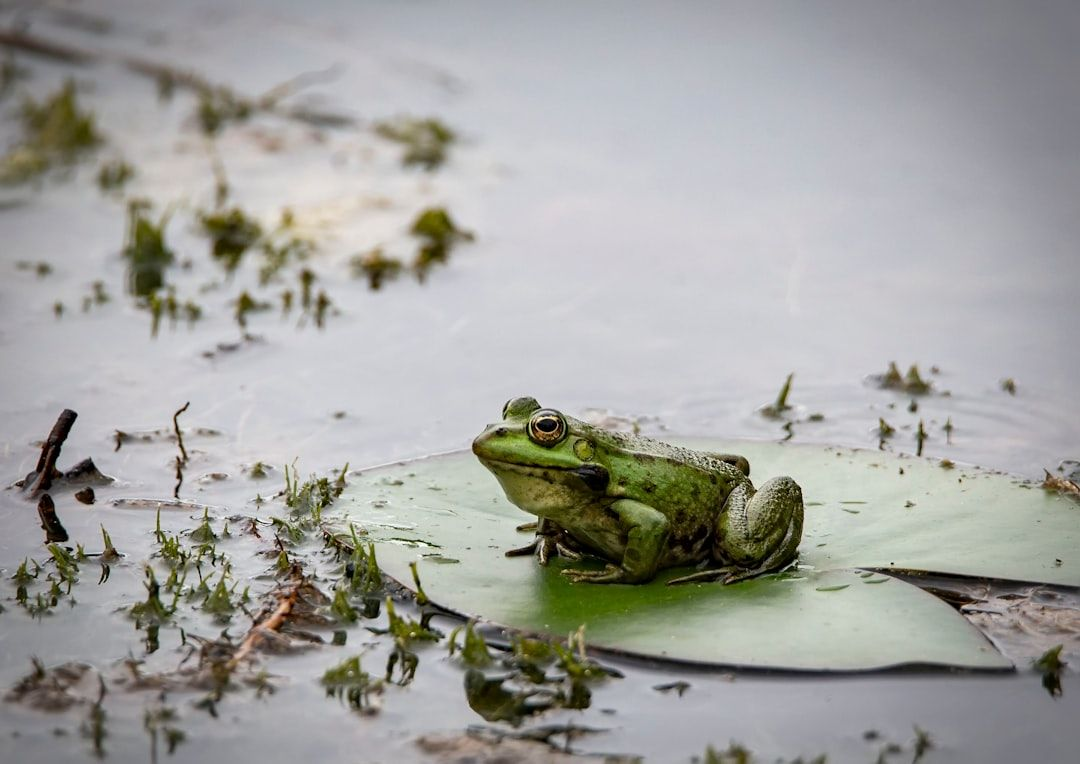
Freshwater habitats support a huge variety of wildlife. Birds use them for drinking and bathing. Amphibians depend on them for breeding. Insects such as dragonflies, damselflies and water beetles rely on them throughout their lifecycle.
Research consistently shows that ponds can become biodiversity hotspots, often supporting more species than other habitat types of a similar size.
The good news is that creating one does not require specialist equipment or a large budget.
Select a spot that receives a mix of sun and shade throughout the day. Avoid placing your pond directly beneath trees, as excessive leaf fall can affect water quality. If possible, choose an area where wildlife can easily access the pond from nearby planting, hedges or natural cover.
Many people assume a pond needs to be large. It doesn't. Even a small pond measuring one square metre can attract wildlife. If you only have a balcony or patio, a large watertight container can serve as a miniature pond. The key is providing water, not scale.
Wildlife-friendly ponds should have gently sloping or shallow areas. These allow birds, insects and small mammals to safely access the water. If using a container, add stones or logs to create easy exit points.
Plants help oxygenate the water, provide shelter and create breeding opportunities. Good options include:
Native plants generally provide the greatest benefit for local wildlife.
Many people automatically add fish. However, fish often eat amphibian eggs, tadpoles and aquatic insects. If your goal is biodiversity, a fish-free pond is usually the best choice.
Resist the temptation to keep the pond looking too tidy. Fallen leaves, aquatic vegetation and natural debris create valuable habitat. Rewilding works best when nature is given space to organise itself.
One of the simplest ways to support wildlife is with a container pond. All you need is:
Many gardeners are surprised by how quickly wildlife discovers these miniature habitats. Within weeks, insects often arrive naturally and birds begin visiting regularly.
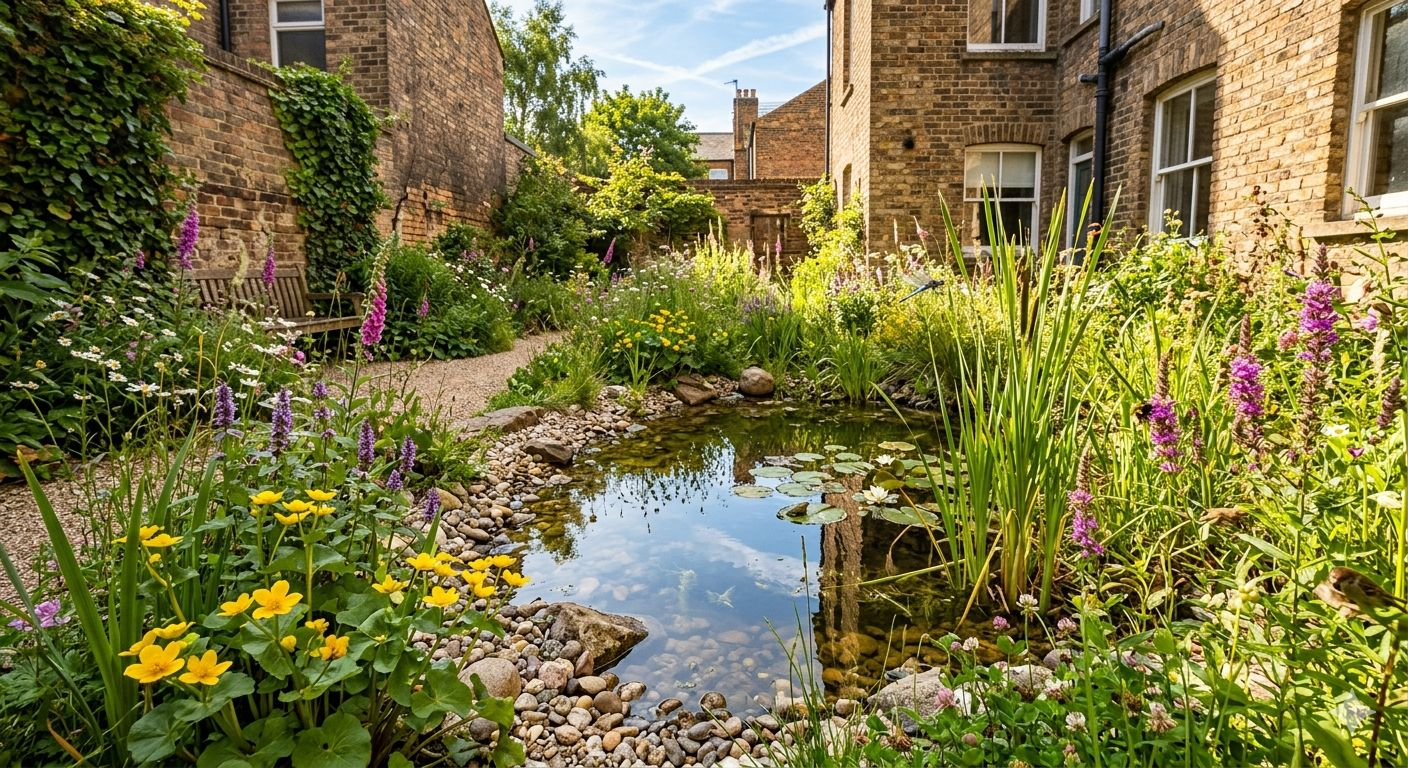
At LettsSafari, we believe nature restoration starts at home. Large-scale conservation projects are important, but so are thousands of small actions taken by individuals, families and communities. A wildlife pond is a perfect example.
By creating habitats in gardens, courtyards, balconies and community spaces, we can collectively build a network of refuges for wildlife across the UK. Every LettsSafari subscription helps support wider nature restoration projects while providing practical guidance that helps members rewild their own spaces.
Small changes, multiplied by thousands of people, can create significant impact.
If you're looking for a simple rewilding project, consider creating a pond. You don't need specialist knowledge. You don't need a large garden. You don't need expensive equipment. You simply need a small space, some water and a willingness to make room for wildlife. Nature is remarkably good at doing the rest.
****************************************
Subscribe to LettsSafari
Support our rewilding parks, get exclusive content of our projects and even receive expert tips to transform your garden, community, public or work spaces into a wildlife haven.
🌱 For every 10 new subscribers we plant a tree a year.
🦔 For every 100, we release an endangered animal.
🌳 And for every 10,000 we create a new rewilding safari park a year!
Make A Difference: Together We Can Rewild To Restore Nature.
Sign up TODAY
!
****************************************
LettsSafari is a subscription service that supports nature restoration projects while providing practical advice and inspiration to help people rewild their own gardens, balconies and community spaces.
No. Many LettsSafari ideas are designed for small gardens, patios, balconies and urban spaces.
Subscriptions help fund nature restoration initiatives and wildlife projects while enabling LettsSafari to create educational resources and practical rewilding guidance.
Absolutely. LettsSafari focuses on simple, achievable actions that anyone can take, regardless of experience.
Projects range from wildlife ponds and pollinator-friendly planting to creating habitats for birds, insects and small mammals, all tailored to different sizes of outdoor space.
