The team at LettsSafari were super excited to visit the RHS Chelsea Flower Show last week. As always, it was a wonderful celebration of gardening, creativity and outdoor spaces. But this year felt slightly different.
Among the immaculate borders, sculpted lawns and perfectly clipped hedges, there was something else emerging more strongly than ever before: a real conversation around nature restoration, biodiversity and naturalistic planting.
And honestly? That was incredibly encouraging to see.
One of the standout moments for us was seeing Sarah Eberle's “On the Edge" which won RHS Chelsea Garden of the Year (we wrote about it last week).
The installation explored something deeply familiar to many people across the UK: those overlooked spaces where towns and cities blur into countryside. The rough edges. The forgotten corners. The places where pavements stop, hedgerows begin and nature quietly tries to reclaim space.
It was a powerful reminder that nature does not need grand estates or massive national parks to thrive.
Sometimes biodiversity begins in the gap in the hedge at the end of the road.
That message resonates strongly with what we believe at LettsSafari : that smaller-scale rewilding matters. Whether it is a garden, balcony, courtyard, verge, or community green space, these fragmented habitats can collectively become incredibly important biodiversity corridors.
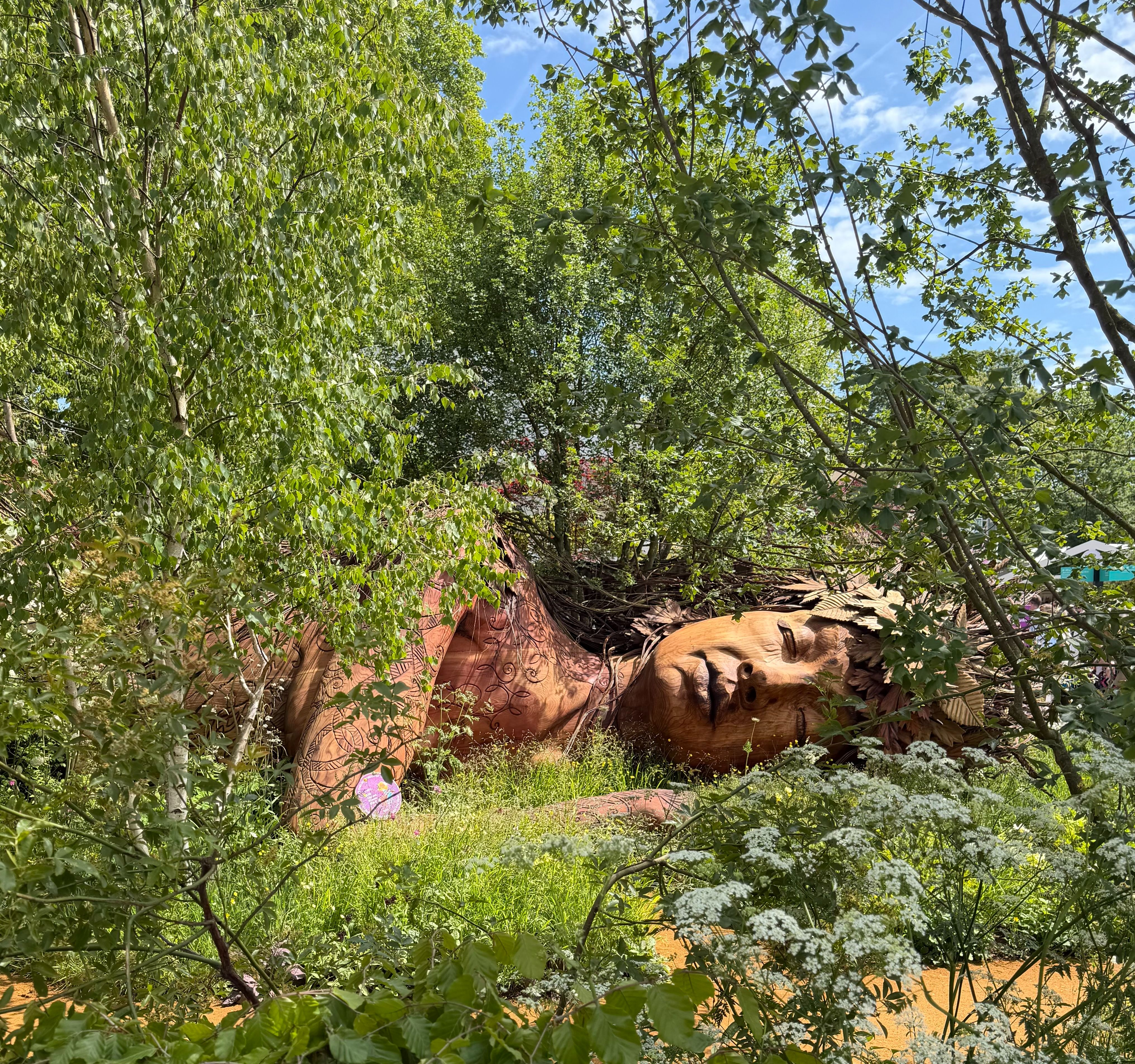
What really stood out this year was how many principles associated with ecological gardening and smaller-scale rewilding had moved into the mainstream conversation. While walking around the show, we overheard one of the guides explaining the importance of leaving fallen trees where they land whenever possible because decaying wood creates habitats for fungi, insects, birds, and mammals.
A few years ago, that might have sounded untidy. Now it sounds intelligent.
That shift matters.
Across the show there were also practical examples of how everyday gardeners can support wildlife by creating food sources, shelter and more resilient habitats. Some examples included:
Pollinator-friendly planting featured heavily throughout the show. One plant repeatedly celebrated was Echium vulgare , a brilliant nectar source for bees and other pollinators.
Its tall blue flowers not only look beautiful but provide an important feeding station during key parts of the season.
There was also recognition that tidy fencing and sterile boundaries are not always wildlife-friendly. Mixed native hedging creates shelter, nesting areas and movement corridors for species like hedgehogs, birds, and insects. Even small gaps in garden boundaries can make a major difference for wildlife movement across urban areas. For anyone interested in supporting Hedgehog populations, this is one of the simplest and most impactful changes you can make.
We were also pleased to see plants like Lonicera periclymenum highlighted for their value to night-time pollinators and bats. Fragrant evening flowers help attract moths and insects, which in turn support local bat populations. Again, it is a reminder that biodiversity is interconnected. Small planting decisions can ripple outward into entire ecosystems.
Perhaps the most encouraging thing about this year’s show was seeing slightly “messier” landscapes being celebrated alongside the traditional perfection Chelsea is famous for. For decades, gardening culture often rewarded control:
But nature does not really work like that. Healthy ecosystems are layered, imperfect, seasonal and dynamic. And increasingly, gardeners are beginning to embrace that. Not because they care less about beauty, but because they are discovering a different type of beauty altogether — one filled with birdsong, pollinators, movement, texture, and life.
The reality is that biodiversity loss is not something that only happens in remote rainforests or faraway wilderness areas. It is happening in towns, cities, suburbs, parks and gardens across the UK.That means restoration can happen there too.
You do not need acres of land to make a difference.
A planter filled with pollinator-friendly flowers matters.
A hedge instead of a fence matters.
Leaving part of your garden wild matters.
Allowing nature a little more room matters.
That is exactly why LettsSafari exists: to help make smaller-scale rewilding accessible, practical, and optimistic for everyday people.
Nature restoration is no longer a niche idea sitting on the fringes of gardening culture. It is steadily becoming part of the mainstream. And that is genuinely exciting.
Because if millions of people begin making even small biodiversity-friendly decisions in their own spaces, the collective impact could be enormous. The future of rewilding may not just belong to vast landscapes.
It may also belong to balconies, terraces, tiny gardens, overlooked verges, and the edges of our towns and cities.
****************************************
Subscribe to LettsSafari
Support our rewilding parks, get exclusive content of our projects and even receive expert tips to transform your garden, community, public or work spaces into a wildlife haven.
🌱 For every 10 new subscribers we plant a tree a year.
🦔 For every 100, we release an endangered animal.
🌳 And for every 10,000 we create a new rewilding safari park a year!
Make A Difference: Together We Can Rewild To Restore Nature.
Sign up TODAY
!
****************************************
LettsSafari is a UK-based smaller-scale rewilding initiative focused on helping people support biodiversity through practical, everyday actions. Through subscriptions, tips, and behind-the-scenes updates from rewilding projects in Devon, LettsSafari helps make nature restoration accessible for gardens, balconies, terraces and community spaces.
Not at all. One of the core ideas behind LettsSafari is that small spaces can still make a meaningful difference. Pollinator-friendly pots, native planting, mini ponds, mixed hedges and leaving parts of a space slightly wilder can all help create important habitats for wildlife.
Even small urban spaces can help support a surprising range of species, including:
Simple planting choices and habitat features can create food, shelter and safe movement corridors for local wildlife.
Smaller-scale rewilding is the idea of allowing nature more space to thrive in everyday environments. Rather than trying to control every inch of a garden or outdoor space, it focuses on creating healthier ecosystems through more natural planting, reduced intervention and biodiversity-friendly decisions.
Starting small is often the best approach. Some easy first steps include:
LettsSafari regularly shares practical ideas, inspiration, and guidance to help people take their first steps into smaller-scale rewilding.
