Across the UK, many of us are taking part in “No Mow May” - a simple idea: stop cutting your grass and let nature do its thing. It works. Even a short break from mowing can dramatically increase the number of flowers, which in turn supports bees, butterflies and other pollinators. But what happens after May?
Because the real impact comes not from pausing - but from building on it. This guide shows you exactly how to turn a one-month action into a lasting rewilding setup , whether you have a garden, patio, or balcony.
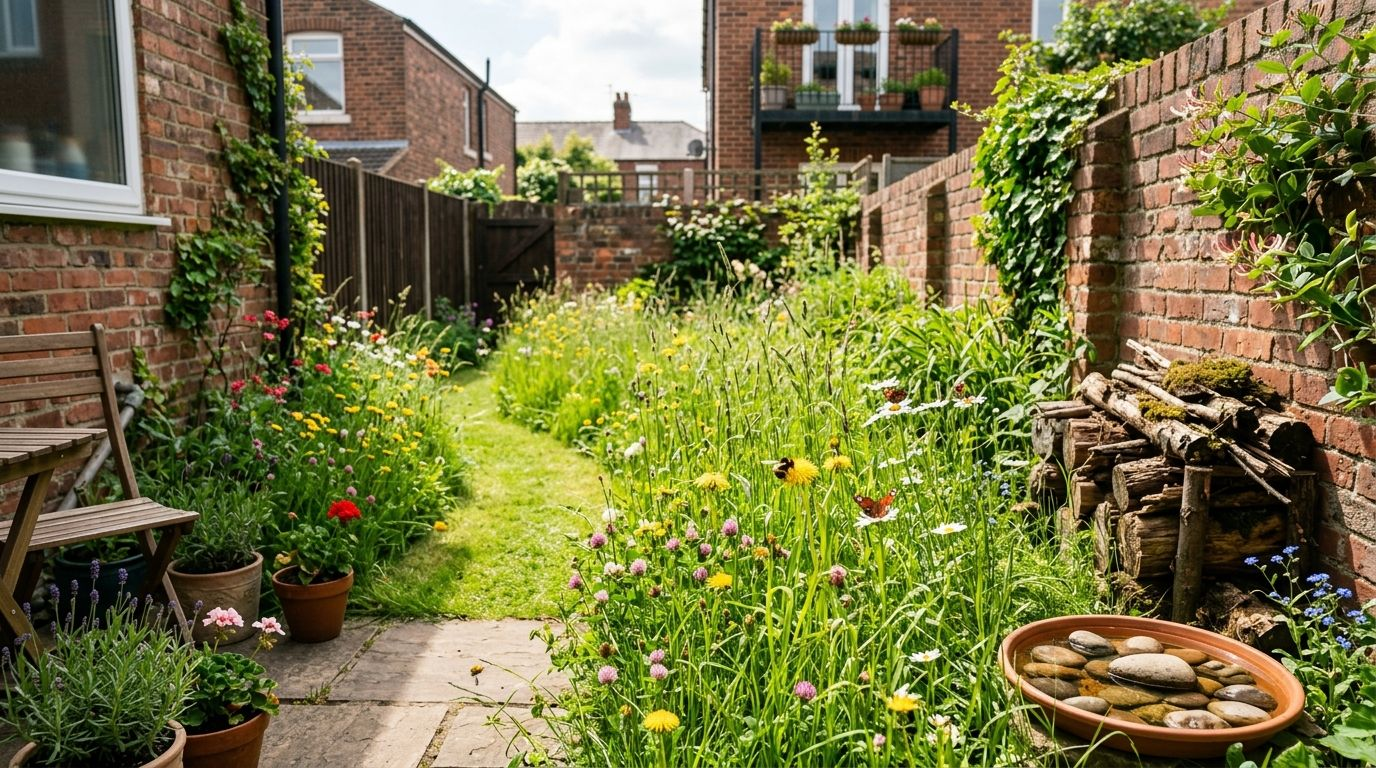
What to do:
Why it matters: These “weeds” are actually some of the best early food sources for pollinators .
Pro tip: Don’t aim for perfection. A slightly messy patch is doing more ecological work than a perfectly striped lawn ever will.
What to do:
Why it matters: Consistency turns a temporary habitat into a reliable food source .
Shortcut: If you only have a balcony, use:
What to do (pick one):
Why it matters: Food attracts wildlife.
This is where most gardens fall short - and where biodiversity really starts to build.
What to do:
Why it matters:
You balance:
This is where rewilding becomes powerful. Instead of one big change, aim for:
Because across thousands of homes, these small actions connect into something much bigger: a living network of urban habitats
Most people start with something like No Mow May. The challenge is knowing what to do next.
That’s exactly where LettsSafari helps:
Think of it as your guide from “I skipped mowing this month' to “I’ve created a mini ecosystem”
****************************************
Subscribe to LettsSafari
Support our rewilding parks, get exclusive content of our projects and even receive expert tips to transform your garden, community, public or work spaces into a wildlife haven.
🌱 For every 10 new subscribers we plant a tree a year.
🦔 For every 100, we release an endangered animal.
🌳 And for every 10,000 we create a new rewilding safari park a year!
Make A Difference: Together We Can Rewild To Restore Nature.
Sign up TODAY
!
****************************************
Yes. Letting grass grow allows wildflowers to bloom, which significantly increases nectar for pollinators like bees and butterflies.
Absolutely. Even small planters, water dishes, and wildflower patches can support biodiversity in urban areas.
Keep a section of your garden longer-term, introduce native plants, and add simple habitat features like water or logs.
No. A mix of tidy and wild areas works best—for both people and wildlife.
LettsSafari provides ongoing, practical tips and ideas to help you build and maintain a rewilded space over time, even in small urban environments.
