Last week, the BBC revealed the Denton Universal Award - the largest single source of public art funding in the UK. Its ambition is beautifully simple and quietly radical: to fund free, accessible works that anyone can experience. No tickets. No barriers. No velvet ropes.
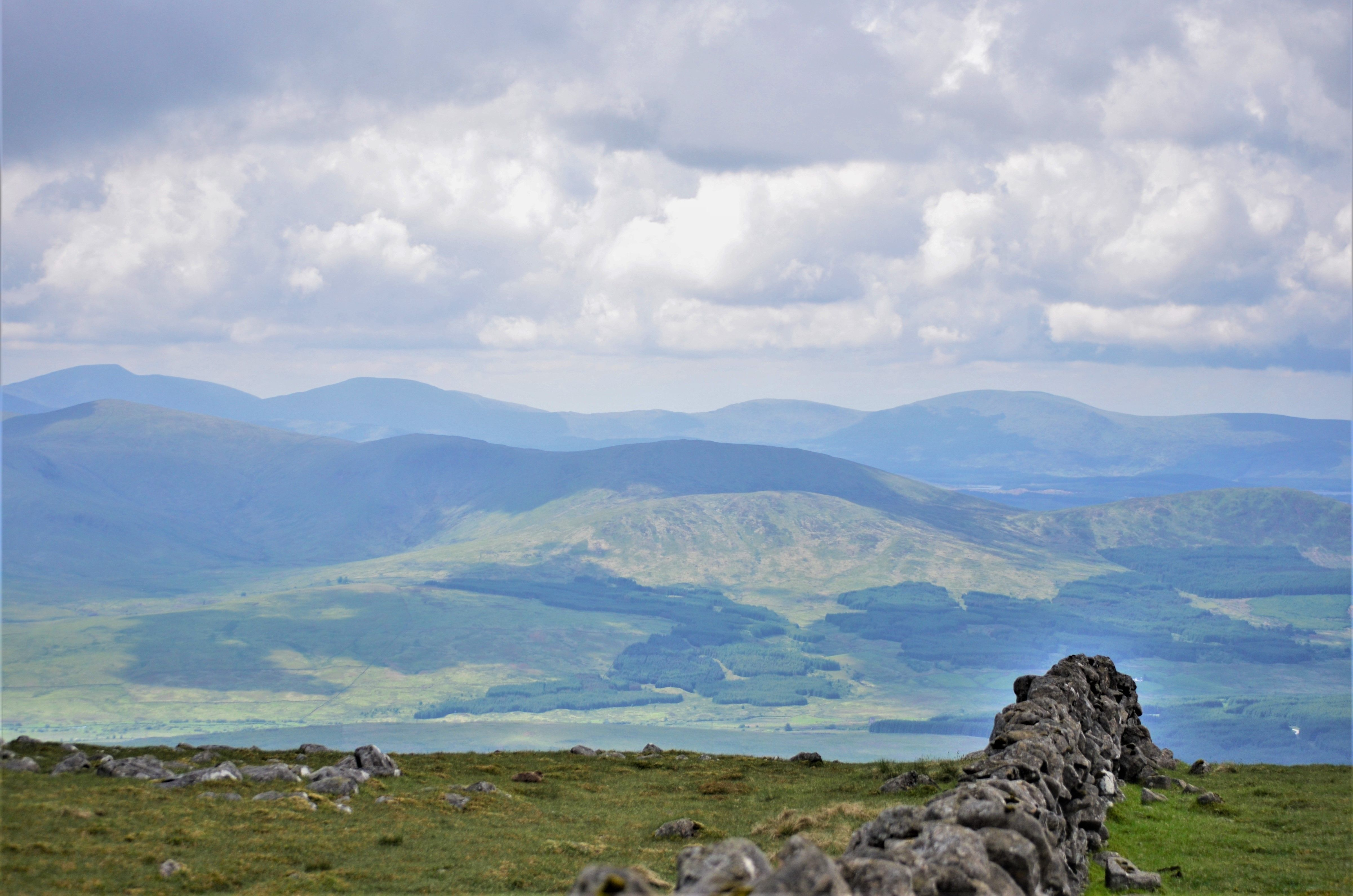
The first recipient is Andy Goldsworthy , awarded £200,000 to create Gravestones in the hills of Dumfries and Galloway. Built from thousands of stones displaced during grave digging, the work will form a stark, 25-metre square enclosure - a place for mourning, remembrance, and stillness.
It’s not art made to be owned.
It’s art made to be visited.
And more importantly,
felt
.
Goldsworthy’s work has always lived outside the gallery system. He works with land, weather, time and decay. His materials are temporary. His collaborators are wind, rain, frost and gravity.
This isn’t a rejection of culture - it’s a deeper commitment to place.
Gravestones doesn’t impose itself on the landscape. It listens to it. Stones taken from the earth are returned, rearranged with care, and left to weather alongside everything else on the hill.
That idea - of removal followed by restoration - sits at the heart of this new award. It’s a reminder that art, at its best, doesn’t dominate environments. It deepens our relationship with them.
At LettsSafari , we recognise the same philosophy.
We believe nature doesn’t need spectacle to matter.
It doesn’t need to be fenced off, branded, or over-explained.
And it certainly doesn’t need to be “saved” through grand gestures alone.
Real ecological change happens through patience. Through presence. Through giving landscapes - and species - the conditions to recover in their own time.
Goldsworthy’s work mirrors what rewilding teaches us every day:
Rewilding isn’t about forcing outcomes. It’s about stepping back deliberately .
The Denton Universal Award removes art from the market and returns it to people. No ownership. No exclusivity. Just access.
That principle matters in nature too.
Too often, our relationship with the natural world is extractive - take the view, take the resource, take the moment, move on. Rewilding asks something different: care without possession .
LettsSafari exists to make that kind of relationship possible. By supporting long-term restoration projects, and by helping people rewild gardens, balconies, and shared spaces, we’re creating access to nature that doesn’t rely on ownership or perfection.
Just participation.
Goldsworthy’s Gravestones will sit quietly on a hill. No signage shouting for attention. No rush. No payoff.
You’ll have to walk to it.
Stand with it.
Notice what’s changed since the last visitor.
That’s not so different from watching wildflowers return. Or birds reappear. Or soil slowly heal.
The Denton Universal Award is creating the right conditions for meaning in physical space.
LettsSafari is doing the same for nature - at every scale.
Different disciplines.
Same instinct.
Sometimes the most powerful act is simply to make space - and let the world respond.
****************************************
Subscribe to LettsSafari
Support our rewilding parks, get exclusive content of our projects and even receive expert tips to transform your garden, community, public or work spaces into a wildlife haven.
🌱 For every 10 new subscribers we plant a tree a year.
🦔 For every 100, we release an endangered animal.
🌳 And for every 10,000 we create a new rewilding safari park a year!
Make A Difference: Together We Can Rewild To Restore Nature.
Sign up TODAY
!
****************************************
Public art like Andy Goldsworthy’s work shares the same philosophy as rewilding: working with place rather than imposing on it. Both prioritise patience, accessibility, and long-term relationships over spectacle or ownership. They invite people to slow down, notice and reconnect - which is exactly what healthy ecosystems need.
LettsSafari supports rewilding by funding long-term restoration projects and helping people take small, consistent actions at home - from gardens to balconies. The focus isn’t on dramatic outcomes, but on creating the right conditions for nature to recover in its own time.
Yes. Large projects matter, but ecosystems recover through networks of connected habitats. Small, repeated actions - letting plants go to seed, supporting restoration work, reducing disturbance - create continuity. Rewilding works best when care is regular, shared and sustained over time.
