This summer, hundreds of gardens across the UK are opening their gates through the National Garden Scheme, giving visitors the chance to explore beautiful outdoor spaces while raising money for good causes. Increasingly, many of these gardens have another purpose too: supporting wildlife.
From wildflower meadows and native hedgerows to ponds buzzing with dragonflies and borders full of pollinator-friendly plants, these gardens demonstrate that nature and gardening go hand in hand.
The good news? You don't need acres of land to make a difference. Whether you have a large garden, a small courtyard, or a balcony, you can create a space that welcomes wildlife while becoming more enjoyable for you too.
The UK has lost significant areas of natural habitat over the past century. As towns and cities have expanded, many species have found it harder to find food, shelter and places to breed.
Our gardens now represent one of the country's largest networks of green spaces. Collectively, they cover hundreds of thousands of hectares. When managed with wildlife in mind, they become stepping stones that connect parks, woodlands and nature reserves.
Every garden contributes to a much bigger picture.
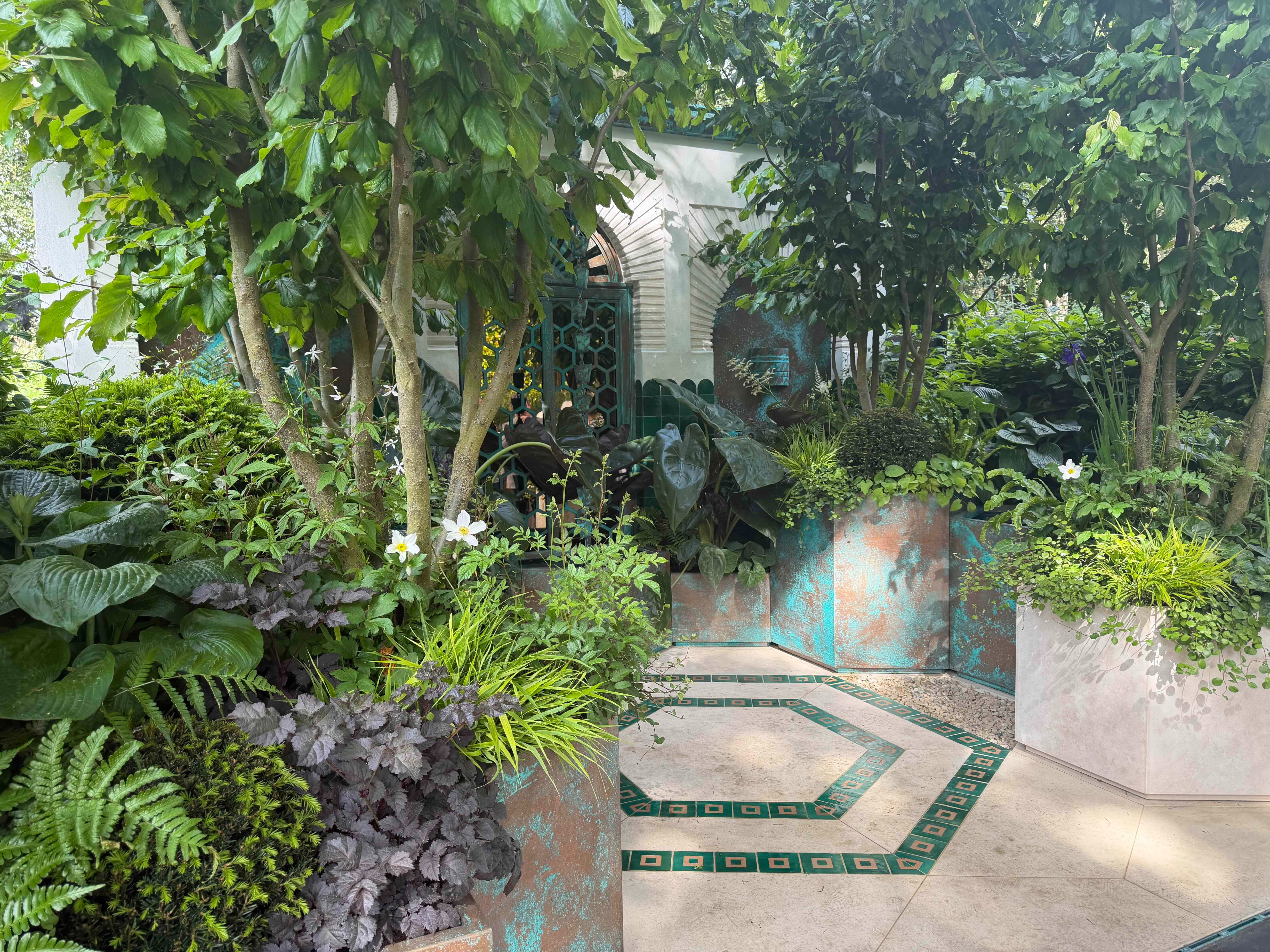
You don't need to redesign everything overnight. Small improvements often have the biggest long-term impact.
Native flowers, shrubs and trees have evolved alongside British wildlife. They provide food for bees, butterflies, birds and other insects throughout the year. Aim for a mixture of spring, summer and autumn flowering plants to provide a continuous source of nectar and pollen.
Not every corner needs to be perfectly tidy. Allow a patch of longer grass to grow, leave seed heads standing through winter, or create a small log pile. These simple habitats provide shelter for insects, amphibians and hedgehogs.
Even a small container pond can become one of the most valuable habitats in your garden.
Birds need somewhere to drink and bathe, while frogs, insects and pollinators all benefit from reliable water sources.
Choose flowers with open blooms that are easy for bees and butterflies to access. Avoid heavily double-flowered varieties that often contain little nectar.
Wildlife doesn't recognise property boundaries. Leaving small gaps under fences, planting hedges instead of solid barriers where possible, and coordinating with neighbours can help create natural wildlife corridors across entire neighbourhoods.
Many pesticides and weedkillers affect the insects that birds and other wildlife depend upon. Instead, encourage natural predators and allow nature to establish its own balance.
The first bee visiting a flower.
A blackbird nesting nearby.
Butterflies returning each summer.
These are all signs that your small actions are working.
At LettsSafari, we believe that rewilding doesn't begin with vast estates - it begins at home. Our mission is to help people make practical changes that support wildlife every day while contributing to larger restoration projects across the UK.
As a LettsSafari member you'll receive:
Together, thousands of small gardens can become one enormous nature reserve.
The gardens featured through the National Garden Scheme show that wildlife-friendly gardening isn't about perfection. It's about creating spaces where people and nature thrive together. Whether you plant one native flower, install a bird bath or let a corner grow wild, you're helping rebuild the habitats our wildlife depends upon. Small actions, repeated by thousands of people, can transform the landscape.
****************************************
Subscribe to LettsSafari
Support our rewilding parks, get exclusive content of our projects and even receive expert tips to transform your garden, community, public or work spaces into a wildlife haven.
🌱 For every 10 new subscribers we plant a tree a year.
🦔 For every 100, we release an endangered animal.
🌳 And for every 10,000 we create a new rewilding safari park a year!
Make A Difference: Together We Can Rewild To Restore Nature.
Sign up TODAY
!
****************************************
LettsSafari is a UK subscription that helps people support rewilding through practical advice, seasonal inspiration and contributions to wider nature restoration projects.
Not at all. Balconies, patios, courtyards and even window boxes can provide valuable habitats for pollinators and birds.
Adding pollinator-friendly flowers, providing fresh water, reducing pesticide use and leaving small areas slightly wilder are excellent places to start.
Not necessarily. Many of the UK's best wildlife gardens combine attractive planting with natural habitats. It's possible to create a space that looks beautiful while supporting biodiversity.
Alongside providing practical advice for members, LettsSafari helps fund UK rewilding initiatives, allowing every subscription to contribute towards creating more space for nature.
Absolutely. Individual gardens may seem small, but together they form one of the UK's largest habitats. Every wildlife-friendly garden helps create a healthier environment for nature.
