A new analysis of access to nature in England has revealed a striking reality: millions of people in urban areas are living too far from green spaces. The research found that while around 80% of people live within a 15-minute walk of nature, access varies dramatically by region and income. In some urban neighbourhoods – including parts of Middlesbrough, Doncaster, Bristol, and Southampton – virtually no residents live within walking distance of green or blue spaces.
The consequences go beyond aesthetics. Studies consistently link access to nature with improved mental health, reduced anxiety, better physical wellbeing and stronger community connections. When nature disappears from daily life, those benefits disappear too – and inequality deepens.
Nature doesn’t always require vast national parks or remote wilderness. In fact, the future of biodiversity recovery may depend on something much closer to home.
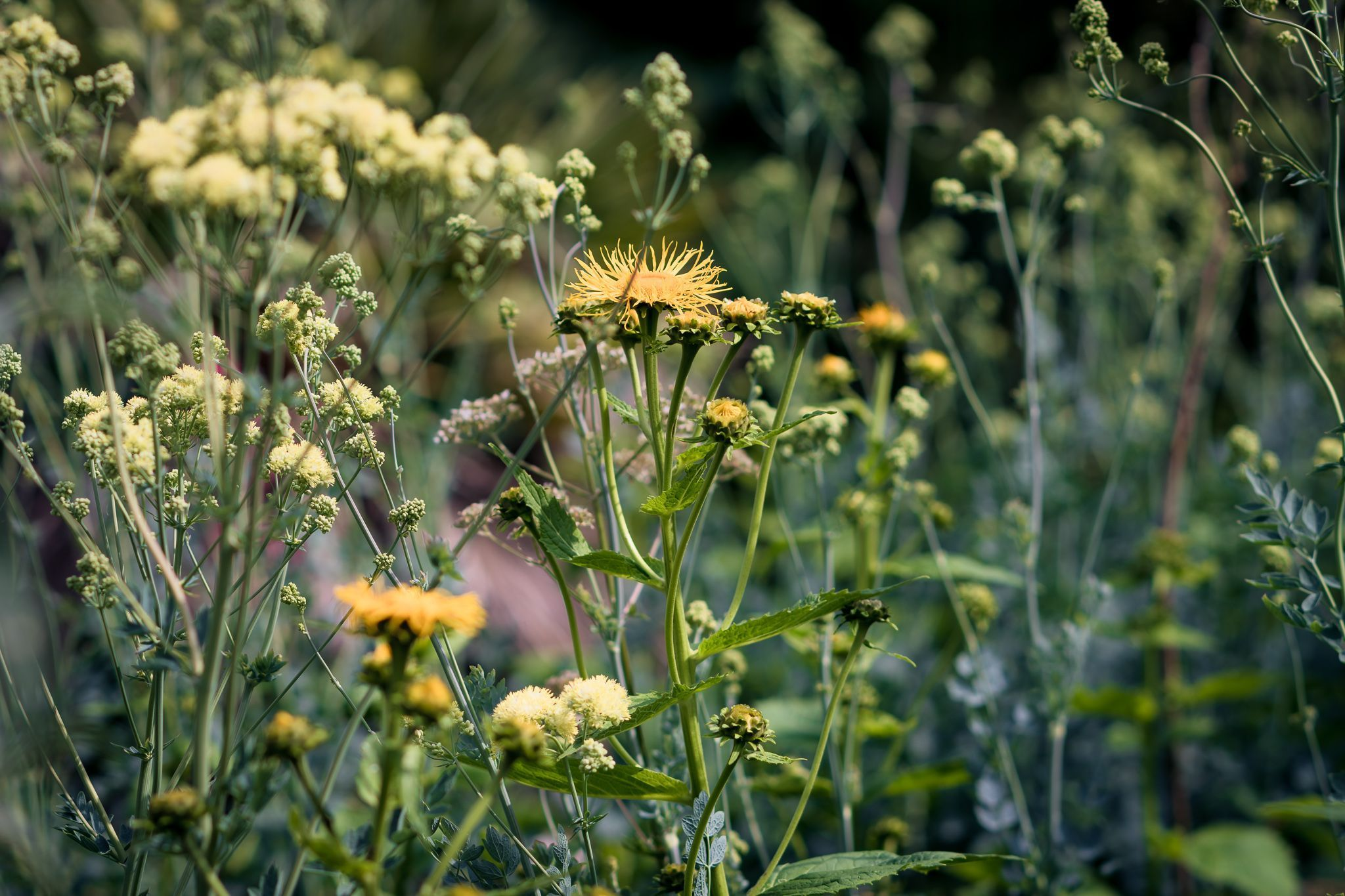
Across the UK, conservation groups and local authorities are increasingly focusing on restoring nature within towns and cities. Projects now range from rewilding farmland into woodland ecosystems to transforming neglected urban spaces into wildlife habitats.
For example, the Wildlife Trusts recently announced a project to restore 136 hectares of farmland in Norfolk, aiming to rebuild a thriving ecosystem with wetlands, woodlands, and wildlife corridors over the coming decades. The initiative highlights a broader shift in conservation: moving beyond protecting rare species to restoring entire ecosystems and bioabundance.
Urban rewilding is part of that same shift. Rather than trying to recreate untouched wilderness, it focuses on:
In other words, nature woven into everyday life.
And that’s where smaller-scale rewilding becomes transformative.
Large landscape projects are inspiring, but they can feel distant from everyday life. Smaller-scale rewilding flips the perspective. Instead of asking governments or landowners to act, it asks a simpler question: What if millions of small spaces were rewilded at once?
A garden pond can support frogs, dragonflies, and birds.
A patch of long grass can host dozens of insect species.
A balcony planter can feed pollinators across an entire neighbourhood.
Individually these actions seem tiny. Collectively they become a distributed nature recovery network across cities.
This is exactly the idea behind LettsSafari.
LettsSafari focuses on smaller-scale rewilding projects for gardens, parks and community spaces, making nature restoration accessible to anyone – not just large landowners or conservation organisations.
Through the LettsSafari subscription, members receive:
The goal is simple: turn everyday spaces into miniature nature reserves.
If every garden, balcony, schoolyard and community green space hosted even a small pocket of biodiversity, the urban nature gap highlighted in the latest research would begin to close.
Nature wouldn’t be something you travel to.
It would be something you live with.
****************************************
Support our rewilding parks, get exclusive content of our projects and even receive expert tips to transform your garden, community, public or work spaces into a wildlife haven.
🌱 For every 10 new subscribers we plant a tree a year.
🦔 For every 100, we release an endangered animal.
🌳 And for every 10,000 we create a new rewilding safari park a year!
Make A Difference: Together We Can Rewild To Restore Nature.
Sign up TODAY
!
****************************************
Urban rewilding is the process of restoring natural habitats and biodiversity within towns and cities. It often involves planting native species, creating ponds, restoring wetlands and allowing certain areas to grow naturally.
Access to green spaces is linked to improved mental health, reduced stress, increased physical activity, and stronger community wellbeing.
Smaller-scale rewilding focuses on restoring nature in small spaces such as gardens, balconies, parks, and school grounds. Even tiny habitats can support pollinators, birds, and insects.
Yes. Simple steps like planting native flowers, adding a small pond, leaving a patch of long grass, or installing bird boxes can dramatically increase biodiversity.
LettsSafari provides guidance, inspiration and practical steps for turning everyday spaces into thriving wildlife habitats through small-scale rewilding.
