Twenty years ago, Knepp was struggling farmland on heavy Sussex clay.
Today, it is one of the most significant (and famous!) biodiversity hotspots in the UK.
That transformation didn’t come from intensifying control. It came from relinquishing it.
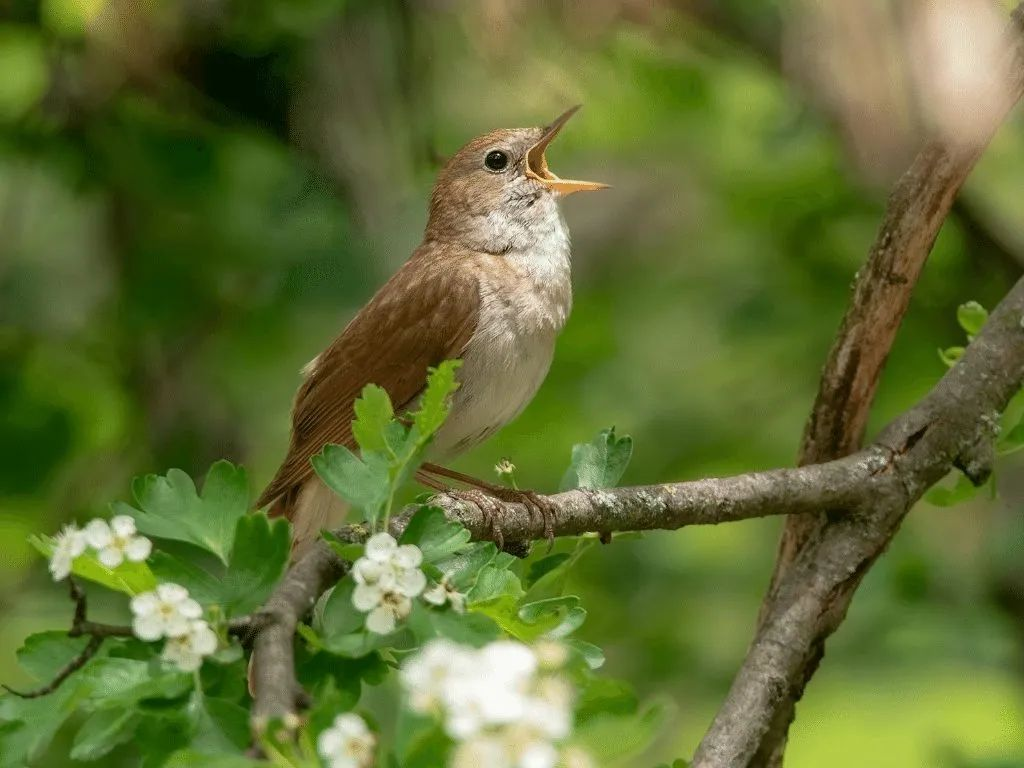
By allowing natural processes to return - thorny scrub to spread, deadwood to remain, grazing animals to roam - Knepp has seen extraordinary results. Last year alone, 60 singing male nightingales were recorded on the estate, roughly 1% of the UK population.
But beyond rare species, what stands out most is abundance. A 20-year ecological survey shows a dramatic uplift across birds, insects, plants and mammals. It proves something vital: even depleted land can rebound quickly when nature is placed back in the driving seat.
Rewilding is not about neglect. It’s about restoring process.
At Knepp, that has meant:
Instead of freezing the land in time, the estate became dynamic again.
And that dynamism turned out to be rocket fuel for wildlife.
It’s easy to look at Knepp and think: That’s wonderful - but it’s a large estate.
At LettsSafari, we see it differently.
Knepp is proof of principle.
If biodiversity can surge on heavy, exhausted clay in Sussex, it can surge in a garden in Manchester. On a balcony in Bristol. In a neglected corner of a park in Devon.
The principles scale down beautifully:
You don’t need 3,500 acres to create habitat. For example, at LettsSafari we've developed a simple, actionable guide to encouraging Nightingales (and a large number of other wildlife and insects) by the introduction of open scrub to even the smallest open space.
The UK has pledged to return 30% of land to nature by 2030.
Large estates like Knepp are critical. But so are the millions of smaller spaces woven between them.
Urban gardens. Village greens. Business parks. School fields.
When connected together, these spaces form ecological stepping stones, allowing insects, birds and mammals to move through landscapes that would otherwise feel hostile.
At LettsSafari, our work focuses on empowering that distributed network of rewilding. Practical guidance. Manageable actions. Consistent care.
Because rewilding isn’t only about headline projects.
It’s about momentum.
Perhaps Knepp’s greatest achievement isn’t just ecological. It’s psychological.
It has shifted the narrative from "nature is fragile and disappearing" to "nature is resilient and ready to return".
That mindset is contagious. Twenty years ago, rewilding was fringe. Today, it is shaping national policy and public imagination. And the next twenty years will depend not just on estates and reserves - but on households, communities and businesses choosing to make room.
Knepp shows what’s possible at scale. LettsSafari exists to make that possibility practical, accessible and joyful at a human scale.
From Sussex clay to city balcony. Nature is ready. Are you?
****************************************
Support our rewilding parks, get exclusive content of our projects and even receive expert tips to transform your garden, community, public or work spaces into a wildlife haven.
🌱 For every 10 new subscribers we plant a tree a year.
🦔 For every 100, we release an endangered animal.
🌳 And for every 10,000 we create a new rewilding safari park a year!
Make A Difference: Together We Can Rewild To Restore Nature.
Sign up TODAY
!
Knepp proves that when nature is given space and process is restored, biodiversity can rebound dramatically. LettsSafari applies those same principles at a smaller, practical scale - helping individuals and communities rewild gardens, parks and shared spaces using simple, nature-led approaches inspired by large projects like Knepp.
Yes. While Knepp operates at estate scale, biodiversity recovery also depends on thousands of smaller habitats working together. LettsSafari focuses on turning lawns into meadows, planting native species, reducing mowing, and creating shelter for insects and birds. When many small spaces adopt these changes, they form powerful ecological networks across towns and cities.
LettsSafari encourages restoring natural processes rather than tightly controlling outcomes. This can include allowing areas to grow wild, planting hedges and thorny shrubs for bird habitat, leaving stems standing through winter, and embracing seasonal change. These manageable actions mirror the ecological principles seen at Knepp - just scaled to everyday spaces.
