Otters are making a quiet but powerful return across the UK, appearing not only in rural rivers but increasingly near towns and cities. Once pushed to the brink by pollution and habitat loss, their resurgence is being hailed by conservationists as one of the clearest signs that nature can recover - if we give it the chance.
This week, new reporting highlighted how cleaner waterways, improved environmental protections, and long-term conservation efforts are allowing otters to reclaim territory they disappeared from decades ago. It’s a hopeful story - and an important one for the future of rewilding in Britain.
Otters are what ecologists call an indicator species . Their presence tells us something crucial about the health of an ecosystem.
For otters to thrive, rivers must have:
In the 1970s, otters were found in only a tiny fraction of UK waterways. Industrial pollution, pesticides, and damaged river systems caused dramatic declines. Today, they are present in the majority of river catchments - a turnaround that reflects decades of sustained environmental work.
In short: if otters are back, ecosystems are healing .
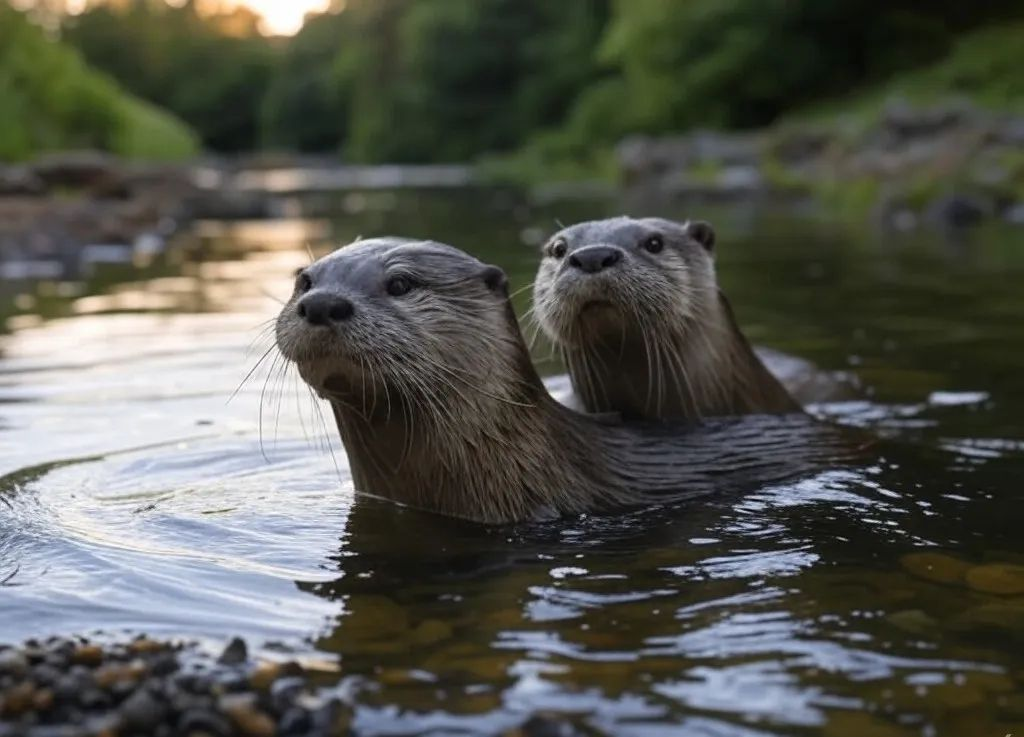
One of the most striking aspects of this recovery is where otters are now being seen.
Sightings are increasingly reported:
This challenges the idea that wildlife recovery only happens in remote or “untouched” landscapes. Nature restoration can, and does, happen close to where people live.
Urban rewilding, wetland restoration and better river management are quietly reconnecting fragmented habitats, allowing species like otters to move, feed and breed safely.
While otters’ return is encouraging, it’s not guaranteed or permanent.
Modern threats remain:
The lesson is clear: nature recovers when effort is sustained, not when attention fades . Otters didn’t come back overnight - their recovery is the result of long-term commitment.
This story highlights several big truths about nature restoration in the UK:
Given cleaner environments and space to recover, wildlife responds, often faster than expected.
Incremental changes to water quality, planting and habitat connectivity can unlock major ecological benefits over time.
Rivers, ponds, gardens and parks are part of the same living system. What happens locally matters nationally.
At LettsSafari, we see stories like the return of otters as both inspiration and invitation. Not everyone lives next to a river. But everyone can contribute to healthier ecosystems. LettsSafari supports nature recovery by:
Healthy rivers depend on healthy landscapes upstream. Pollinators, insects, birds, plants - they all form the web that supports species like otters in the first place. Rewilding doesn’t start with iconic animals. It starts with consistent, collective action.
****************************************
Subscribe to LettsSafari
Support our rewilding parks, get exclusive content of our projects and even receive expert tips to transform your garden, community, public or work spaces into a wildlife haven.
🌱 For every 10 new subscribers we plant a tree a year.
🦔 For every 100, we release an endangered animal.
🌳 And for every 10,000 we create a new rewilding safari park a year!
Make A Difference: Together We Can Rewild To Restore Nature.
Sign up TODAY
!
