The network
Forgotten land, brought roaring back.
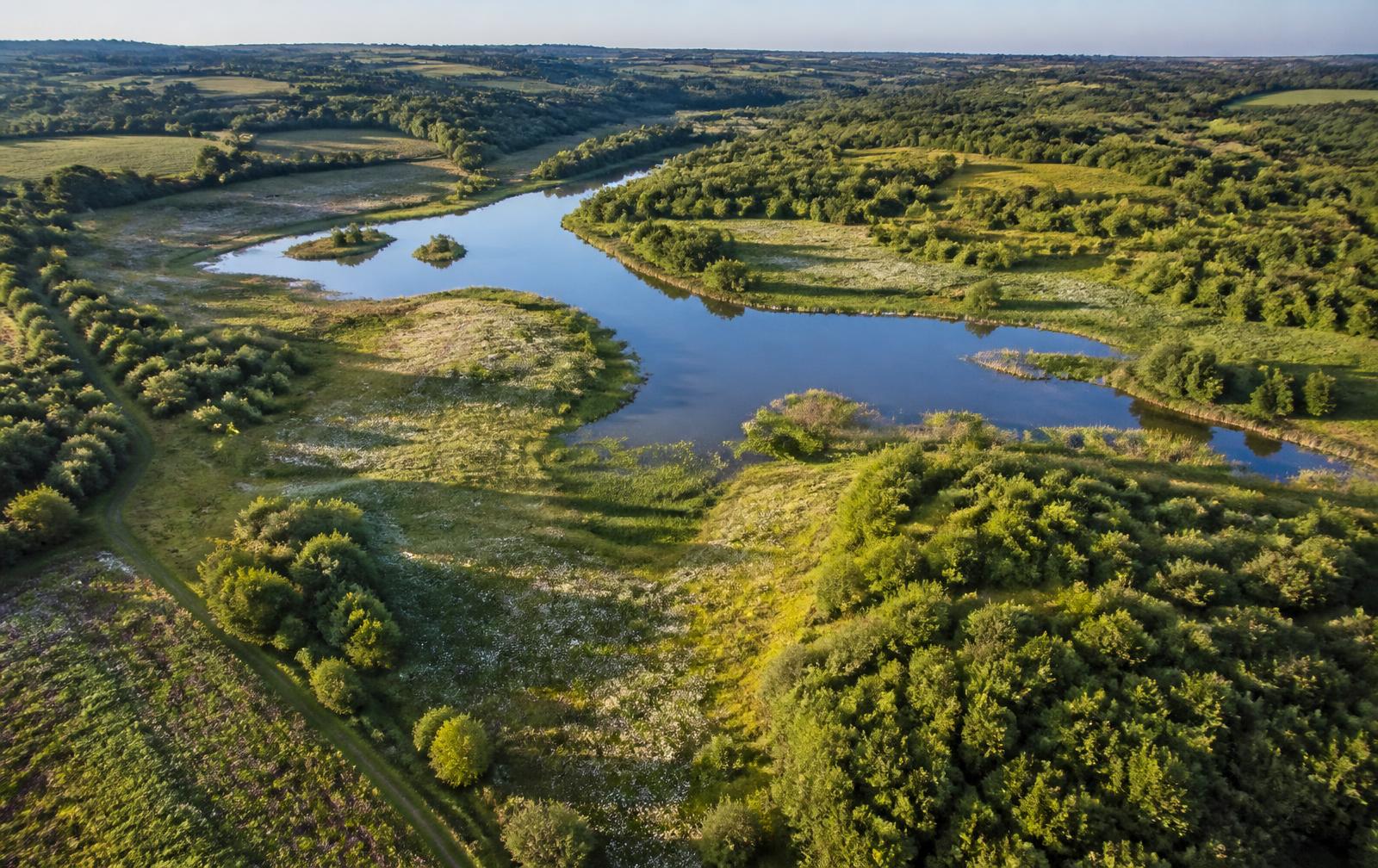
LettsSafari parks remove carbon and let trees and plants grow back on their own terms. Birds, mammals, butterflies, beetles, reptiles, plants and fungi arrive in numbers that feel as wild and dynamic as the African bush.
12,000
Trees planted
150+
Endangered species supported
200
Tonnes of CO₂ locked away each year
7
Rewilding parks in the network
Seven parks, more coming
The LettsSafari network of parks
Dawlish Park
Where it started in the UK — coastal Devon woodland, meadow and scrub mosaic.
Sunrise Park
A run-down parcel turned wildflower and pollinator stronghold.
Exeter Capability Brown Gardens
Historic 100-acre gardens, rewilded into a smaller-scale rewilding centre.
Hill Crest
Grassland and hedgerow restoration on the edge of the moor.
Devon Sculpture Park
Art and wild habitat sharing the same ground.
Embercombe
A learning centre rewilding its valley with us.
Devon Wildland
Wilder land, wilder water, wilder thinking.
Habitat mosaic
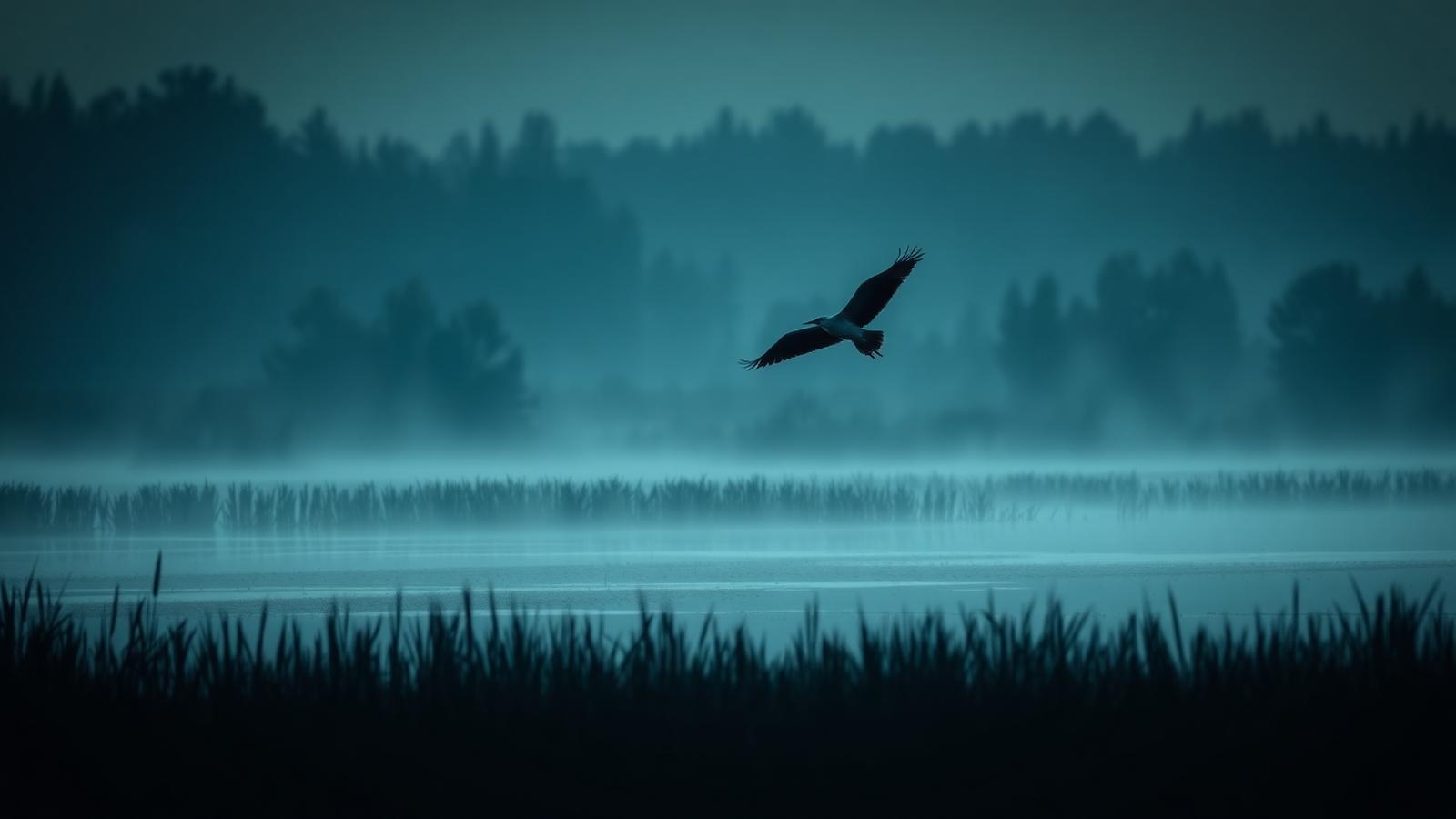
Six habitats, stitched into one living system
Each tree we plant removes around a tonne of carbon dioxide in its lifetime. Our parks hold over 20,000 trees — plus scrub, wild grasses, wetland and bog doing the same quiet work.
Wild grassland
Deep-rooted grasses rebuilding soil and locking away carbon.
Wildflower meadow
Nectar highways for bees, butterflies and hoverflies.
Open scrub
The most underrated habitat in Britain — nurseries for everything.
Woodland
Oak, beech, birch, hazel, willow, Scots pine and wild fruit trees.
Lake & wetland
Water holds the whole system together, especially in drought.
Bog
Slow, wet and astonishingly good at storing carbon.
Own 5+ acres?
Join the LettsSafari network
Approved parks get support and advice from LettsSafari and its members to become a rewilding safari park. Applicants must be LettsSafari members.
Talk to us about your landThe more subscribers, the more parks.
Every 10,000 members funds an entirely new rewilding safari park each year. There are thousands of forgotten spaces waiting.