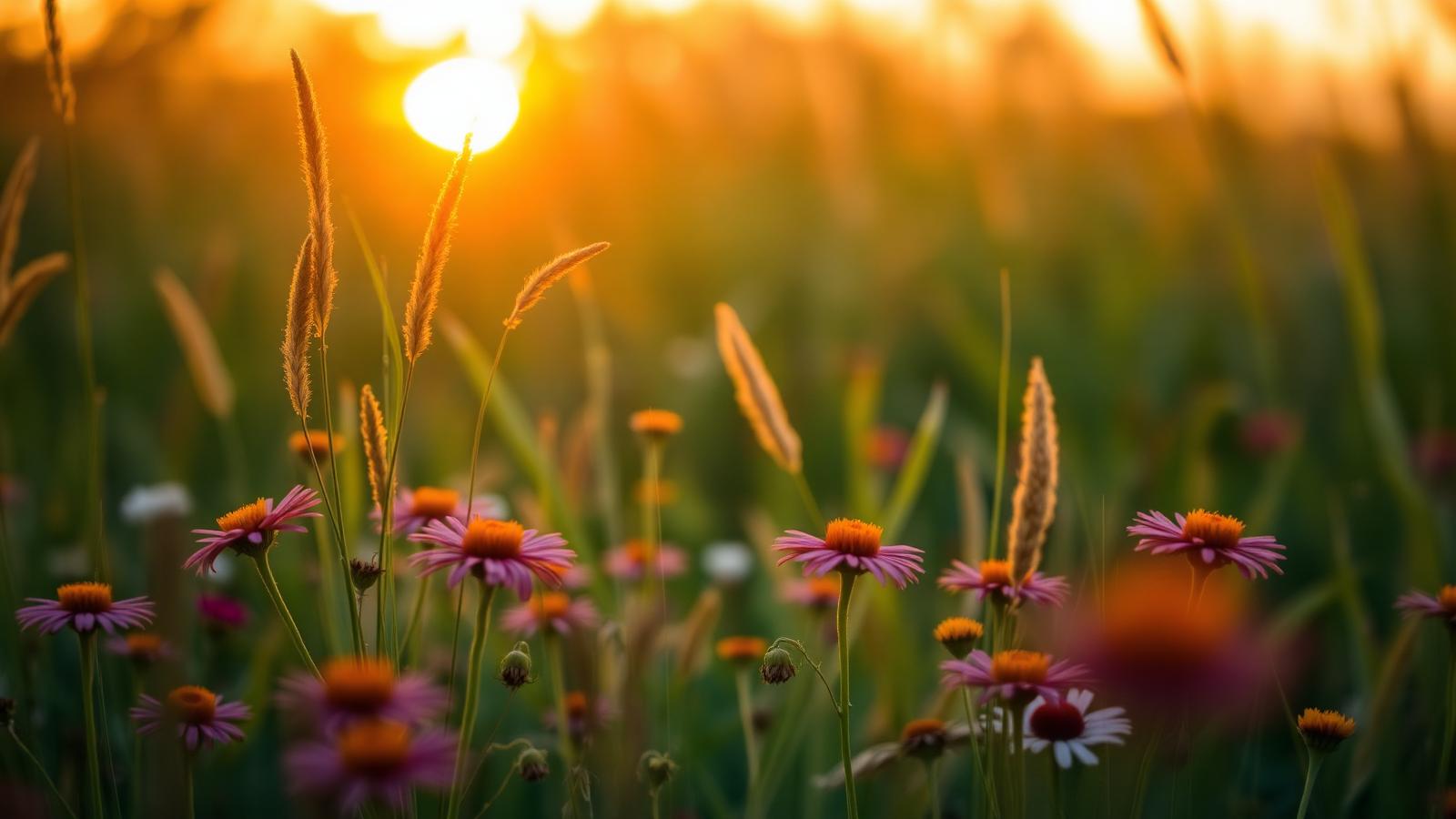
You do not need acres of land to make space for nature.
That is one of the most useful lessons from Pear Tree Park in Ealing, West London, where a former golf course is being transformed into a more varied urban landscape of wildflower meadows, native trees and wetlands. More than 5,000 trees have already been planted, while volunteers are also helping restore the nearby River Brent by removing invasive plants and replacing them with native wetland species.
The scale may be bigger than the average garden, but the principles are surprisingly easy to borrow. Here are five ways to apply the same thinking at home.
1. Replace some lawn with longer grass
One of the simplest things you can do is mow less. A closely cut lawn offers relatively little shelter or food for wildlife. Leaving even a small section longer creates habitat for insects and allows more plants to flower.
You do not need to abandon the whole garden! Try:
- leaving a strip along a fence or hedge unmown
- creating a circular “mini meadow” in the lawn
- mowing paths through longer grass so the garden still looks intentional
- reducing mowing frequency rather than stopping completely
The objective is variety. Different grass heights create different habitats.
2. Plant more native species
Pear Tree Park combines native trees with wildflower areas and wetland planting. You can copy that approach on a much smaller scale. Native plants have evolved alongside UK wildlife and can provide food and shelter for insects, birds and other animals. Depending on your space, consider native species such as:
- foxglove
- oxeye daisy
- red campion
- wild marjoram
- hawthorn
- rowan
- hazel
Even a few pots planted with wildlife-friendly species can help. The important thing is not to create a perfect “wild garden”. It is to increase the number and variety of plants available to wildlife.
3. Add water
One of Pear Tree Park’s strengths is its mix of habitats, including wetlands. Water can dramatically increase the number of species visiting even a small garden, and you do not necessarily need a large pond. A mini pond can be made using a watertight container sunk into the ground or placed on a patio.
Add:
- rainwater where possible
- aquatic plants
- stones or logs so wildlife can get in and out safely
- different depths if your container allows it
Avoid adding fish, which can eat insect larvae and other small pond wildlife. Even a container pond can attract insects, birds and amphibians.
4. Create layers, not just plants
Successful habitats are rarely flat. Woodland, meadow and wetland environments all contain different layers where wildlife can feed, hide and reproduce. You can recreate that structure in a garden by combining:
- trees
- shrubs
- flowers
- grasses
- ground cover
- dead wood
- leaf litter
A small pile of logs in a quiet corner can provide shelter for insects and fungi. Leaving some fallen leaves beneath shrubs rather than clearing everything away can create another valuable microhabitat. Rewilding is often as much about what you stop removing as what you start planting.
5. Connect your patch to the wider landscape
Perhaps the biggest idea behind Pear Tree Park is connectivity. The park forms part of plans for a wider West London Regional Park, designed to connect green and blue spaces across the area. Wildlife benefits when habitats are connected rather than isolated. Your garden can become part of the same idea.
Simple actions include:
- creating gaps beneath fences for hedgehogs
- growing climbing plants along walls and fences
- planting hedges instead of relying entirely on solid fencing
- talking to neighbours about creating connected wildlife areas
- planting flowers that provide nectar across different seasons
How LettsSafari helps
LettsSafari is built around the idea that nature recovery can happen at both ends of the scale. Subscribers help fund practical rewilding projects in the UK while also receiving ideas and inspiration for bringing more wildlife into their own gardens, balconies and neighbourhoods.
Small actions at home complement larger habitat restoration projects. You do not need to own a woodland - you just need to make your patch slightly better for nature than it was yesterday.
And if thousands of people do the same thing, those small patches begin to connect.
****************************************
Subscribe to LettsSafari
Support our rewilding parks, get exclusive content of our projects and even receive expert tips to transform your garden, community, public or work spaces into a wildlife haven.
🌱 For every 10 new subscribers we plant a tree a year.
🦔 For every 100, we release an endangered animal.
🌳 And for every 10,000 we create a new rewilding safari park a year!
Make A Difference: Together We Can Rewild To Restore Nature.
Sign up TODAY
!
****************************************
Frequently Asked Questions
What is smaller-scale rewilding?
Smaller-scale rewilding means allowing natural processes and wildlife to return to smaller spaces such as gardens, balconies, communal areas, school grounds and neighbourhood green spaces. It can include growing native plants, reducing mowing, adding water, creating shelter and using fewer chemicals.
Do I need a big garden to rewild?
No. You can support wildlife using window boxes, containers, balconies, courtyards and very small gardens. Even one container filled with pollinator-friendly plants can provide food for insects.
Does a rewilded garden have to look messy?
No. Rewilding does not mean abandoning your garden. You can use mown paths, defined planting areas, raised beds and structured borders while still providing valuable wildlife habitat.
What is the easiest way to start rewilding?
Choose one small action. Leave part of your lawn longer, plant native flowers, create a mini pond or leave a small pile of logs in a quiet area. Once you start noticing more wildlife, it becomes much easier to build on what you have done.
Why are native plants useful for wildlife?
Native plants have developed alongside local insects, birds and other species over long periods of time. They can provide familiar sources of food, shelter and breeding habitat.
How does LettsSafari support rewilding?
LettsSafari subscriptions help fund UK rewilding projects while encouraging subscribers to take practical action for wildlife themselves. The idea is simple: support larger-scale nature recovery while making your own home or neighbourhood more wildlife-friendly too.
Turn reading into rewilding
You subscribe. We build parks. You safari.
£4.50 a month funds trees, wildlife and new rewilding parks — and brings you a weekly dispatch straight from the field.
Subscribe for £4.50/month