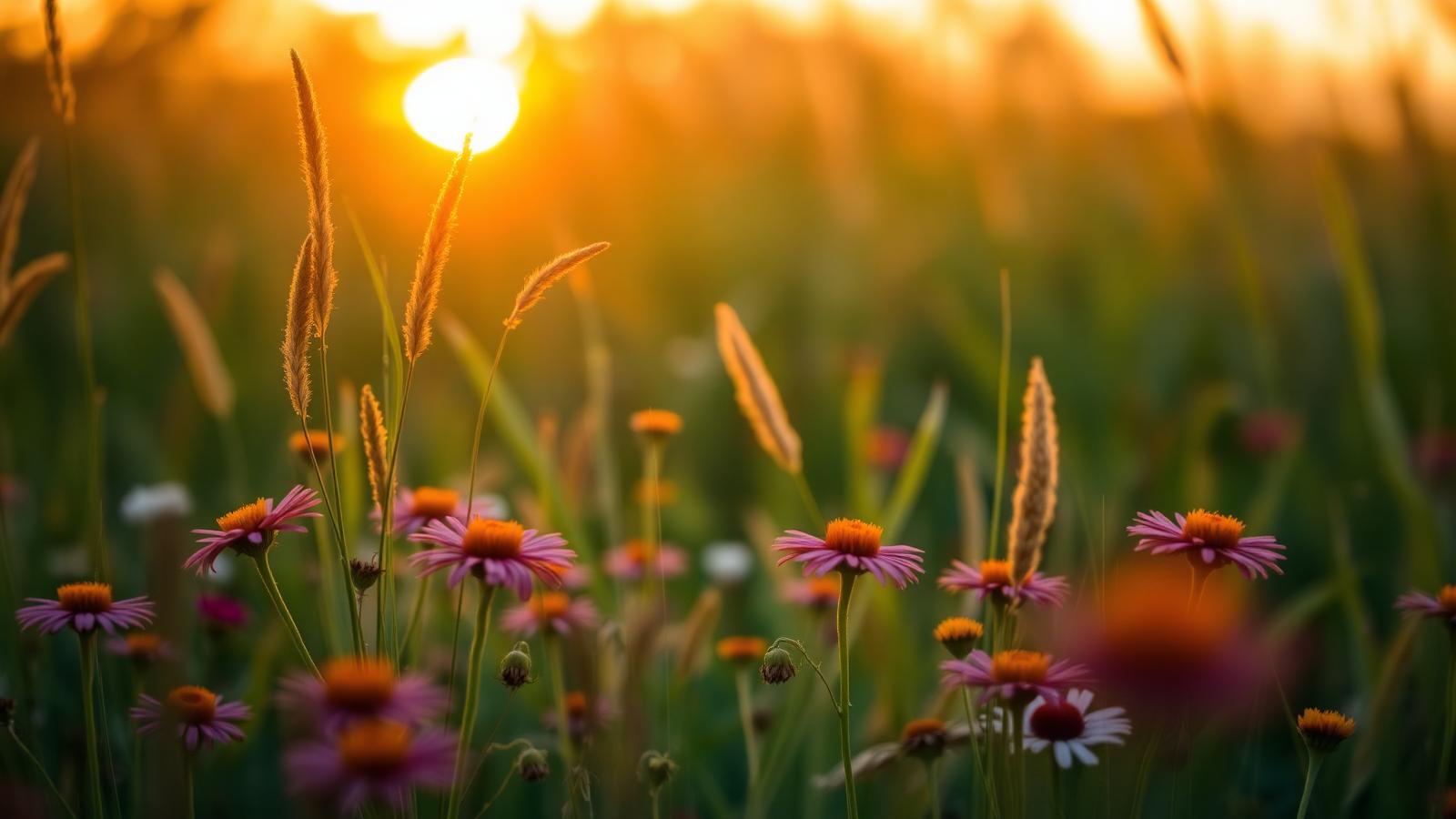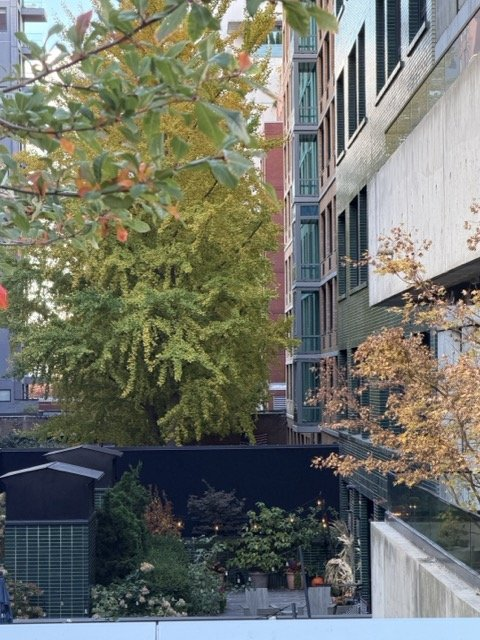
The Big Apple Goes Wild: How New Yorkers Are Rewilding Balconies and Small Spaces
17 November 2026
From Brooklyn balconies to Manhattan rooftops, New Yorkers are discovering that you don't need a garden to bring nature back into the city. Even the smallest spaces can become wildlife havens, benefiting biodiversity, wellbeing and urban living.
A greener New York, one balcony at a time
New York might be famous for its skyscrapers, yellow taxis and crowded streets, but another side of the city is emerging. Across its five boroughs, residents are finding creative ways to bring nature into everyday life.
Balconies, and small urban spaces are becoming miniature gardens. Rooftops are supporting pollinators. Window boxes are providing flowers for bees and butterflies.
The idea is simple: even the smallest urban spaces can help create a healthier, greener city.
And it's not just about wildlife. Research suggests that access to greenery can reduce stress, improve mental wellbeing and make urban environments more enjoyable. For New Yorkers surrounded by concrete, a small patch of nature offers a chance to slow down, reconnect with the seasons and enjoy some breathing space.
Why smaller-scale rewilding works
Rewilding a balcony or small space doesn't mean abandoning it to weeds. It means creating conditions where nature can thrive with minimal intervention. Even a few containers can make a difference:
-
Support biodiversity: Native flowers provide food for bees, butterflies and other pollinators.
-
Improve wellbeing: Gardening encourages relaxation and regular contact with nature.
-
Cool urban spaces: Plants provide shade and help cool their immediate surroundings.
-
Connect habitats: Small green spaces can act as stepping stones for wildlife across neighbourhoods.
One balcony or patch won't transform New York's ecosystem. But thousands of small spaces, alongside parks and larger habitats, can help make cities more wildlife-friendly.
How to rewild your balcony in five simple steps
You don't need a Manhattan penthouse or a Brooklyn brownstone to get started. The same principles work on a London balcony or a small courtyard anywhere in the UK.
- Choose wildlife-friendly plants. Start with two or three containers of nectar-rich flowers. In the UK, try wild marjoram, bird's-foot trefoil or field scabious, choosing plants suited to your sunlight and space.
- Create different layers. Combine low-growing flowers, grasses and taller plants. Use vertical planters where safe to maximise limited space.
- Add a water source. Place a shallow dish with stones among your plants. Keep the water fresh and clean the dish regularly so insects can drink safely.
- Leave some nature undisturbed. Avoid pesticides and leave healthy hollow stems and seedheads standing over winter. They provide food and shelter for wildlife.
- Make time to enjoy it. Spend ten minutes each day observing your plants and visiting insects. Notice what's flowering and how your miniature ecosystem changes through the seasons.
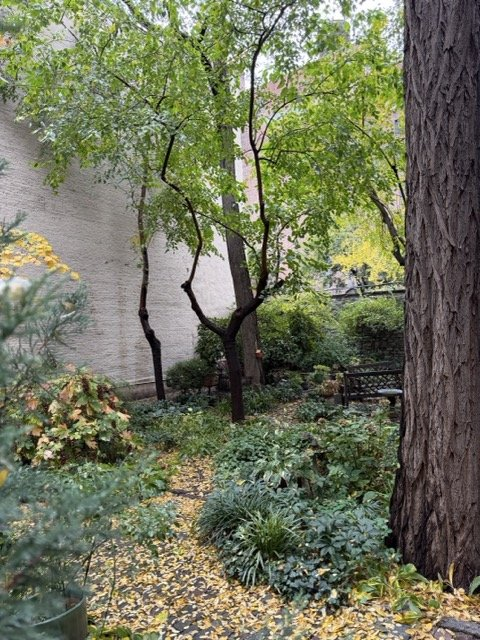
What can you do in November?
Autumn is a great time to prepare your wildlife garden for spring. Plant suitable hardy perennials, leave seedheads standing, protect vulnerable pots from frost and plan flowers that provide nectar throughout the growing season. Start with a single container and expand as you discover what works.
Bringing New York's ideas home with LettsSafari
At LettsSafari, we believe reconnecting people with nature starts by making wildlife restoration accessible. Our UK rewilding projects focus on creating and protecting habitats, but the same philosophy applies closer to home. A balcony, windowsill or courtyard might seem insignificant compared with a nature reserve, but it's an opportunity to participate in something bigger.
New York reminds us that a greener future doesn't always begin with a grand project. Sometimes it starts with a flowerpot.
****************************************
Subscribe to LettsSafari
Support our rewilding parks, get exclusive content of our projects and even receive expert tips to transform your garden, community, public or work spaces into a wildlife haven.
🌱 For every 10 new subscribers we plant a tree a year.
🦔 For every 100, we release an endangered animal.
🌳 And for every 10,000 we create a new rewilding safari park a year!
Make A Difference: Together We Can Rewild To Restore Nature. Sign up TODAY!
****************************************
Frequently Asked Questions
What is urban rewilding?
Urban rewilding means restoring opportunities for nature in cities, from wildlife-friendly balconies to parks, rivers and green corridors.
Can I rewild a balcony without a garden?
Absolutely. Containers of native flowers, shallow water dishes and pesticide-free planting can support pollinators in limited spaces.
What are the wellbeing benefits?
Regular contact with greenery and gardening can reduce stress, encourage relaxation and improve people's experience of city living.
How does LettsSafari support rewilding?
LettsSafari promotes biodiversity through UK nature restoration projects while encouraging individuals to reconnect with wildlife and take practical action.
Can small urban spaces really help biodiversity?
Yes. Wildlife-friendly balconies and gardens can provide food and shelter, particularly when connected to nearby green spaces.
How can I get involved with LettsSafari?
Explore LettsSafari's nature restoration projects, follow our practical rewilding guidance and discover ways to support wildlife recovery.
Turn reading into rewilding
You subscribe. We build parks. You safari.
£4.50 a month funds trees, wildlife and new rewilding parks — and brings you a weekly dispatch straight from the field.
Subscribe for £4.50/month