Ivy Is Winning: Why Your Garden's Wildest Plant Could Be Its Most Valuable
20 October 2026
When we think about creating a wildlife-friendly garden, we often imagine planting colourful flowers, installing insect hotels or redesigning our outdoor spaces. But new research suggests that one of the best things we can do for nature is much simpler: stop removing some of the plants already growing there.
An eight-year study by the UK Pollinator Monitoring Scheme has revealed that many plants commonly dismissed as weeds are among the most attractive to bees, butterflies, hoverflies and other pollinating insects.
The surprising winner? Common ivy.
According to research reported by The Guardian on 14 October 2026, ivy attracted an average of 22 insect visits during each ten-minute survey, ahead of hogweed, bramble, buddleia and other familiar garden plants.
It's a useful reminder that what we consider untidy can be incredibly valuable to wildlife. And with October well underway, now is an excellent time to put this knowledge into practice.
Why ordinary garden plants matter for pollinators
Pollinators need reliable sources of nectar and pollen throughout their active seasons. While colourful summer flowers often receive most of our attention, food can become harder to find as temperatures fall.
That's where some of our most familiar plants come into their own.
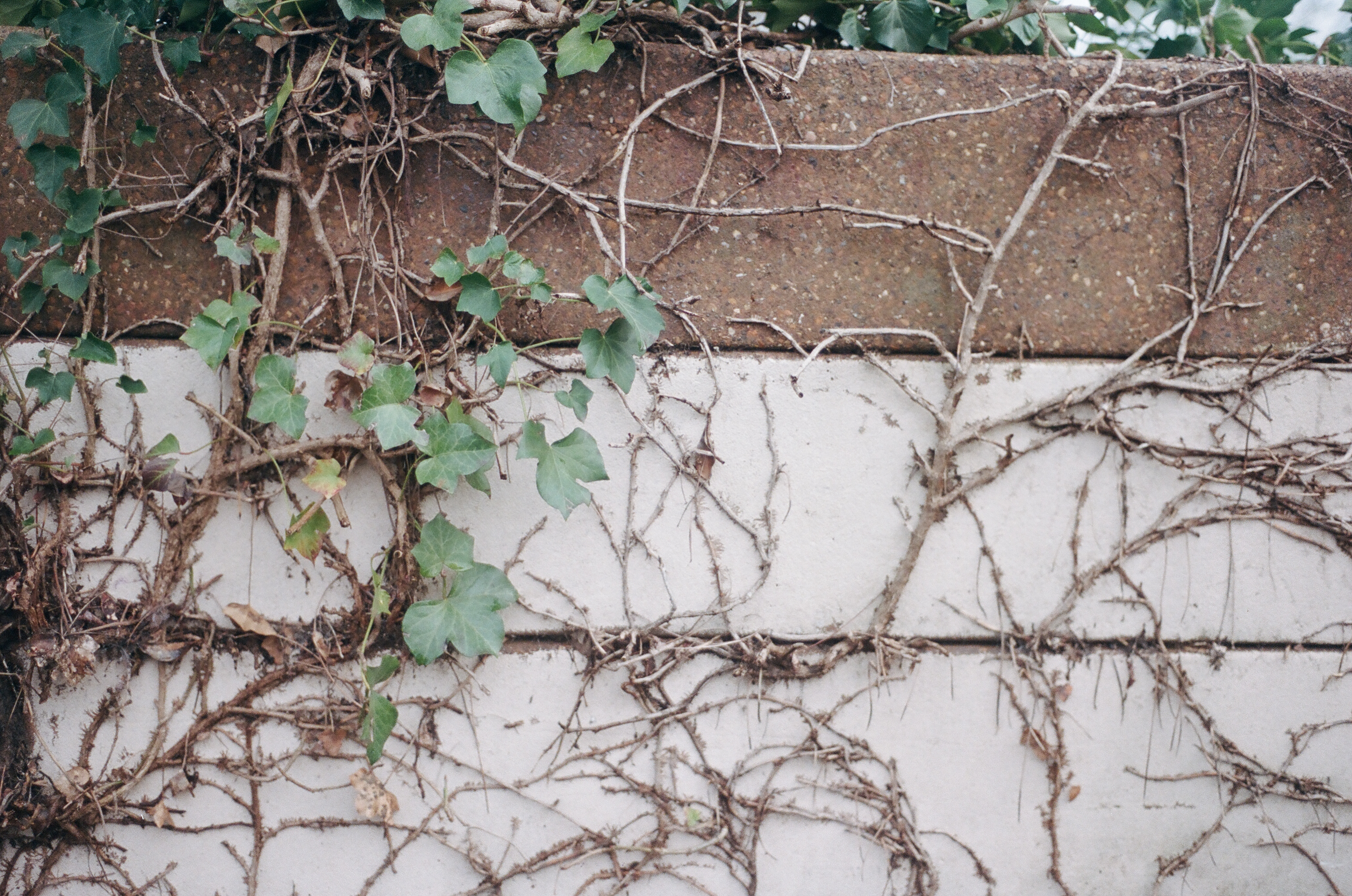
Ivy flowers in autumn, providing nectar and pollen when many other plants have stopped flowering. Its berries subsequently feed birds during winter, while its evergreen leaves provide shelter throughout the year.
Bramble produces flowers that attract insects during summer, followed by blackberries that feed birds and mammals. Its dense growth also creates valuable nesting and hiding places.
Thistles and knapweeds provide nectar and pollen for a variety of insects, while their seeds offer food for birds.
Buddleia , often called the butterfly bush, is particularly attractive to butterflies and moths. However, some varieties spread readily, so gardeners should manage self-seeding carefully.
The message is clear: gardens and small urban green spaces can play an important role in supporting pollinator populations.
Five simple ways to rewild your garden this October
The good news is that helping pollinators doesn't require a large garden, an expensive planting scheme or even much gardening experience.
Here are five practical things you can do this month.
1. Let your ivy flower
If you've got ivy growing along a fence, wall or boundary, consider leaving a section untouched. Mature ivy produces small greenish-yellow flowers during autumn, attracting bees, hoverflies, butterflies and other insects. Avoid cutting flowering growth back in October unless it's causing a problem. If you're concerned about ivy spreading, keep it under control while allowing some mature stems to flower.
October action: Find one patch of flowering ivy and leave it undisturbed through autumn.
2. Leave a corner a little wild
Rather than tidying every corner of your garden, designate a small area where plants can grow more naturally. Allowing suitable native wildflowers, grasses and existing vegetation to develop can provide food and shelter for insects. You don't need to abandon your garden. A small, managed wild patch can sit comfortably alongside lawns, flower beds and outdoor seating areas.
October action: Choose one square metre of garden to manage primarily for wildlife rather than appearance.
3. Don't clear every fallen leaf
Autumn leaves are often treated as garden waste, but they provide shelter for insects and other small creatures during winter. Instead of bagging everything up, collect leaves from lawns and paths and move them into sheltered corners or beneath shrubs. As the leaves break down, they also help improve the soil.
October action: Create a small leaf pile beneath a hedge or shrub, somewhere it won't blow away or become waterlogged.
4. Leave some seed heads and stems standing
It's tempting to cut back every fading flower at the end of summer. However, standing stems, seed heads and dried vegetation can provide food and shelter for wildlife during colder months. Some insects spend winter inside hollow plant stems or among dead vegetation, while seed-eating birds benefit from plants left standing.
October action: Leave a selection of healthy perennial stems and seed heads untouched until spring.
5. Think beyond the garden fence
Not everyone has a garden, but almost everyone can find a small opportunity to support urban nature. A balcony planter, window box, shared courtyard or community garden can provide valuable resources for insects. Choose a mixture of wildlife-friendly plants that flower at different times of year, prioritising species suited to your space and local conditions. Even a few containers can contribute to a wider network of urban habitats.
October action: Plan one additional wildlife-friendly container or planting area for next spring.
Small spaces, bigger impact: How LettsSafari helps
At LettsSafari, we believe that rewilding shouldn't be limited to large nature reserves or remote landscapes. It can begin in gardens, on balconies and in the overlooked corners of our towns and cities. Our approach combines practical action at home with support for rewilding projects in the British countryside. Through a LettsSafari subscription, individuals can contribute to nature restoration while learning how to make their own outdoor spaces more welcoming to wildlife.
Our subscription model connects collective support to measurable rewilding ambitions:
- Every 10 subscribers support the planting of one tree each year.
- Every 100 subscribers support the introduction of one wild animal.
- Every 10,000 subscribers support the creation of one new wildlife park each year.
These commitments help connect individual participation with larger conservation goals, including our rewilding work in Devon.
The principle is straightforward: small actions become more powerful when people take them together.
****************************************
Subscribe to LettsSafari
Support our rewilding parks, get exclusive content of our projects and even receive expert tips to transform your garden, community, public or work spaces into a wildlife haven.
🌱 For every 10 new subscribers we plant a tree a year.
🦔 For every 100, we release an endangered animal.
🌳 And for every 10,000 we create a new rewilding safari park a year!
Make A Difference: Together We Can Rewild To Restore Nature.
Sign up TODAY
!
****************************************
Frequently asked questions
What is urban rewilding?
Urban rewilding means helping natural habitats and wildlife recover within towns and cities. It can involve allowing wildflowers to grow, creating wildlife corridors, improving green spaces or simply managing gardens in ways that support biodiversity.
How can I rewild a small UK garden?
Start by leaving some flowering plants, reducing unnecessary mowing, avoiding pesticides, creating sheltered areas and providing plants that offer nectar, pollen and seeds through the seasons. Even a small section of garden can support wildlife.
Is ivy good for bees and butterflies?
Yes. Mature common ivy is particularly valuable because its flowers provide nectar and pollen during autumn, when many other flowers have finished. It also supports other insects and produces berries eaten by birds in winter.
Should I remove weeds from my garden?
Not necessarily. Many plants labelled as weeds are valuable for wildlife. Identify plants before deciding what to remove, retain useful native species where practical, and control invasive or potentially hazardous plants appropriately.
What should I do for wildlife in my garden in October?
Leave flowering ivy, retain some seed heads and stems, create leaf piles in sheltered areas, avoid excessive tidying and consider what you could plant for pollinators next spring.
Do I need a garden to participate in rewilding?
No. Balconies, window boxes, patios and shared spaces can all support pollinators when planted appropriately. You can also support restoration projects elsewhere through organisations such as LettsSafari.
What is LettsSafari?
LettsSafari is a UK subscription-based rewilding initiative that helps people support nature restoration, including projects in Devon, while encouraging practical wildlife-friendly changes at home.
How does a LettsSafari subscription help wildlife?
Subscriptions collectively fund rewilding activities linked to LettsSafari's impact commitments, including tree planting, wild animal introductions and the development of wildlife parks at specified subscriber milestones.
Can businesses support rewilding through LettsSafari?
Yes. LettsSafari's GreenTeam programme enables businesses and their employees to participate in collective rewilding and nature restoration efforts.
Source: The Guardian, 14 October 2026 — "Pollinating insects flock to plants gardeners might think of as ‘weeds’". Research from the UK Pollinator Monitoring Scheme.
Turn reading into rewilding
You subscribe. We build parks. You safari.
£4.50 a month funds trees, wildlife and new rewilding parks — and brings you a weekly dispatch straight from the field.
Subscribe for £4.50/month