How Small UK Gardens Could Become the Country’s Biggest Rewilding Network
An article in Country Life this week highlighted something wonderfully famiilar for us at LettsSafari: Britain’s gardens may be one of the country’s most powerful tools for restoring nature.
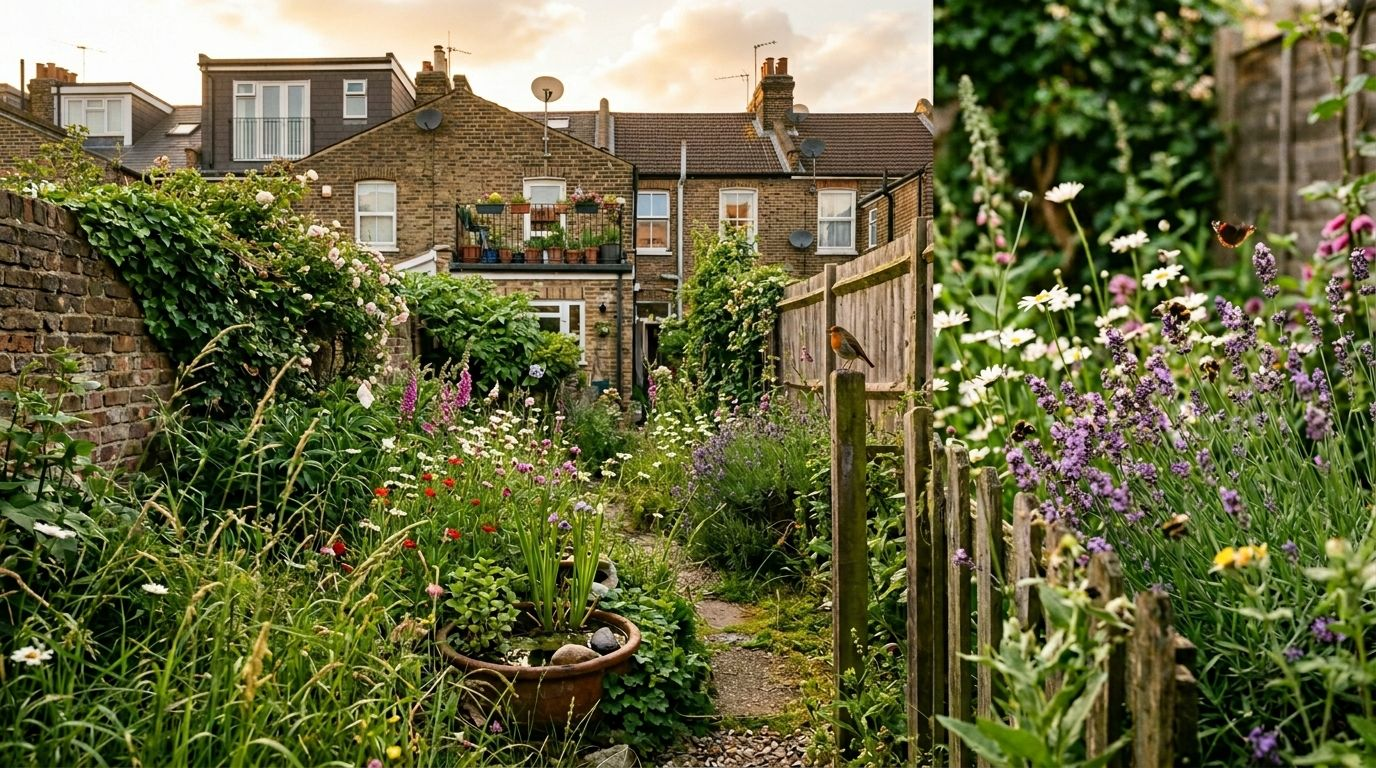
Taken individually, a balcony planter, a small courtyard, or a patch of suburban lawn might not seem important. But collectively, UK gardens cover an area larger than all of the nation’s nature reserves combined. That means small-scale rewilding is no longer just a hobby - it’s becoming a practical way for ordinary people to support biodiversity from home.
For people living in towns and cities, this is something we've always championed. Urban rewilding often feels complicated or out of reach, but the reality is that even tiny changes can create food, shelter, and safe corridors for wildlife.
At LettsSafari, this is exactly the type of rewilding we believe in: simple, realistic actions that fit into everyday life.
Why Smaller-Scale Rewilding Matters
Modern gardens are often designed to look tidy and controlled:
- closely cut lawns
- paved spaces
- artificial grass
- heavily managed flowerbeds
Unfortunately, these spaces usually provide very little for wildlife.
Smaller-scale rewilding works differently. Instead of trying to control nature, the goal is to create space for it to return naturally. That does not mean turning your garden into a jungle. In practice, it often means:
- allowing grass to grow slightly longer
- planting native flowers
- adding water sources
- reducing chemicals
- creating shelter for insects and birds
The key insight from this week’s story is that scale matters less than connection. One wildlife-friendly garden may help a few species. Thousands connected together across towns and cities can become a functioning ecosystem.
5 Easy Ways to Rewild a Small Garden or Balcony
One of the biggest misconceptions about rewilding is that you need a large rural space. You do not. Here are five realistic ways to start.
1. Replace Perfect Lawns With Mixed Habitat
A perfectly striped lawn might look neat, but it offers very little biodiversity value.
Instead:
- leave one section unmown
- allow wildflowers to appear naturally
- create “pathways” through longer grass
- mow less frequently during spring and summer
Even a small patch of longer grass can support pollinators, beetles, and other insects that birds rely on for food. For balconies or patios, containers with mixed grasses and native flowering plants can provide a similar effect.
2. Plant for Pollinators
Urban pollinators struggle because many modern gardens contain flowers bred for appearance rather than nectar production. Good pollinator-friendly options for UK spaces include:
- lavender
- foxgloves
- scabious
- cornflowers
- wild marjoram
- verbena
Try to choose plants that flower at different times of year to create a longer food source.
Even a single window box can become a pollinator stopover point.
3. Add Water - Even in Tiny Spaces
Wildlife needs water surprisingly often in urban environments. You do not need a large pond. You can:
- place a shallow dish with stones for insects
- use a mini container pond
- add a small bird bath
- collect rainwater naturally
Water instantly increases biodiversity potential and often attracts birds within days.
4. Stop Over-Cleaning Outdoor Spaces
Nature thrives in slightly messy environments. That means:
- leaving leaves in corners
- keeping dead stems through winter
- stacking small logs or branches
- allowing seed heads to remain
Many insects overwinter inside dead plant material, which then supports birds and hedgehogs later in the food chain. The “perfectly tidy garden” is often the least wildlife-friendly space on the street.
5. Think About Connectivity
One wildlife-friendly garden is good. Connected wildlife-friendly spaces are transformational. This is one of the most important themes in modern urban rewilding. Birds, insects, and pollinators move through cities using connected green spaces like stepping stones.
That means your garden matters even more than you think. A single flowering balcony, hedgehog gap, wildflower border or mini pond can become part of a much larger urban nature network.
How LettsSafari Helps People Start Rewilding
Many people want to support nature but feel overwhelmed by where to begin. LettsSafari focuses on making smaller-scale rewilding practical and accessible. Subscribers receive:
- simple rewilding ideas that work in real homes
- seasonal tips for gardens and balconies
- behind-the-scenes updates from UK rewilding projects
- realistic ways to support biodiversity without major expense or expertise
The goal is not perfection. It is progress.
Small actions repeated across thousands of spaces can create meaningful environmental change - especially in towns and cities where wildlife often has the fewest safe habitats.
And when millions of people do that together, the impact becomes enormous.
****************************************
Subscribe to LettsSafari
Support our rewilding parks, get exclusive content of our projects and even receive expert tips to transform your garden, community, public or work spaces into a wildlife haven.
🌱 For every 10 new subscribers we plant a tree a year.
🦔 For every 100, we release an endangered animal.
🌳 And for every 10,000 we create a new rewilding safari park a year!
Make A Difference: Together We Can Rewild To Restore Nature.
Sign up TODAY
!
****************************************
Questions readers often ask
What is LettsSafari?
LettsSafari is a UK-based subscription focused on smaller-scale rewilding projects, practical nature restoration ideas and accessible ways to support biodiversity at home.
Is LettsSafari suitable for small gardens or balconies?
Yes. LettsSafari is specifically designed for people with everyday outdoor spaces, including balconies, patios, courtyards, and urban gardens.
Do I need gardening experience to start rewilding?
No. Most small-scale rewilding projects are beginner-friendly and focus on simple environmental improvements rather than formal gardening expertise.
How much does LettsSafari cost?
LettsSafari subscriptions start from £4.50 per month.
What kind of rewilding tips does LettsSafari provide?
Subscribers receive practical seasonal guidance on planting, biodiversity support, wildlife-friendly spaces and realistic urban rewilding techniques.
Can urban rewilding really help biodiversity?
Yes. Small connected habitats across towns and cities can support pollinators, birds, insects, and other wildlife by creating food sources and safe movement corridors.
Turn reading into rewilding
You subscribe. We build parks. You safari.
£4.50 a month funds trees, wildlife and new rewilding parks — and brings you a weekly dispatch straight from the field.
Subscribe for £4.50/month