A Walk on the Wild Side: What New York's High Line Can Teach Us About Greener, Healthier Cities
10 November 2026
What happens when you turn an abandoned railway into a thriving urban park? New York has always held a special place in our heart, as this was where LettsSafari was born. The High Line shows how bringing nature back into cities can support biodiversity, improve wellbeing and transform neglected spaces. And you don't need a disused railway to get started.
From abandoned railway to urban oasis
Above the busy streets of Manhattan, something remarkable happened.
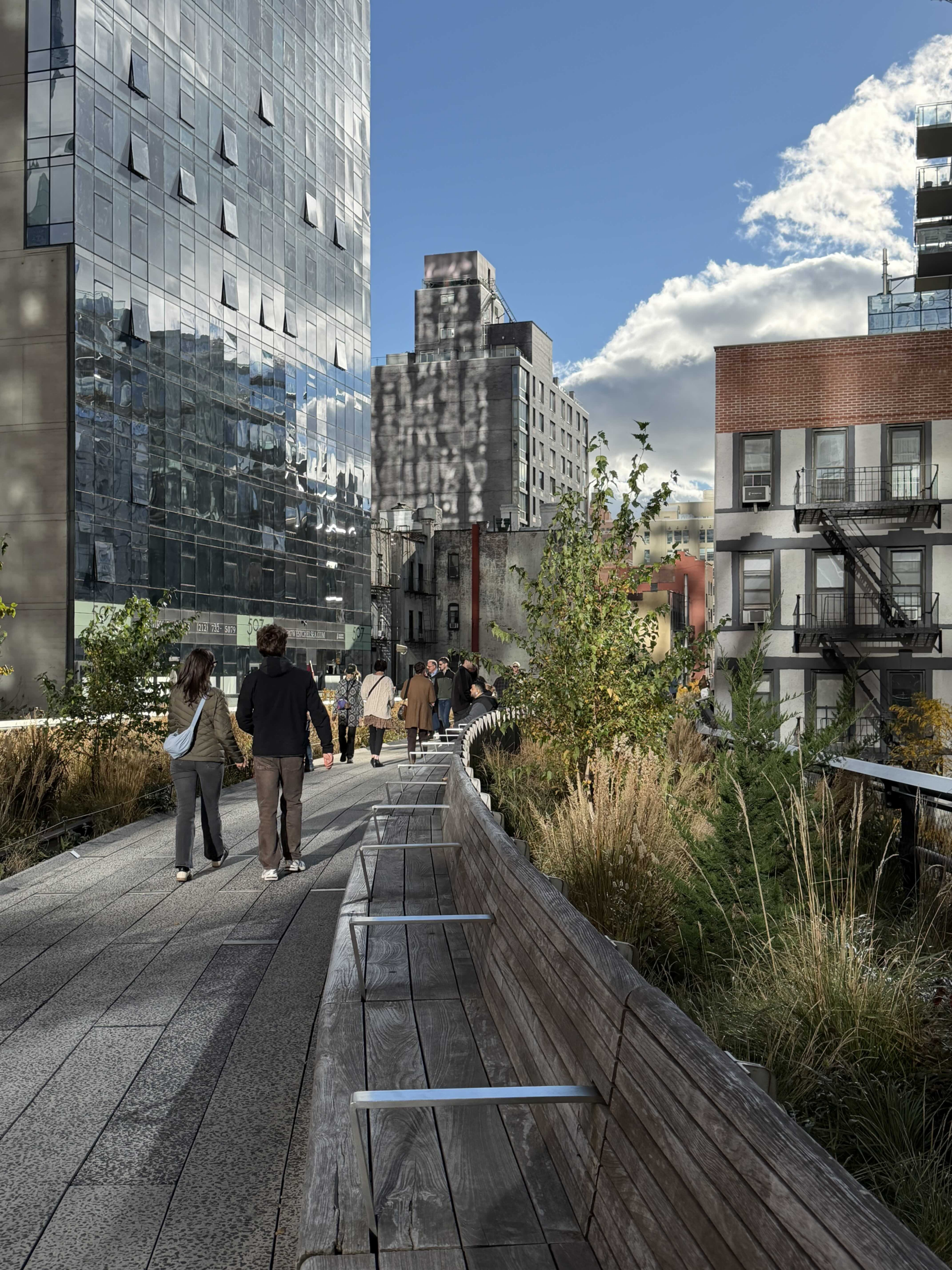
New York's High Line, a former freight railway stretching one and a half miles or so, has become one of the city's most celebrated green spaces.
Built in the 1930s and abandoned in the 1980s, the railway gradually became home to wild grasses, flowers and shrubs. Rather than clearing everything away, designers took inspiration from the nature that had reclaimed the tracks.
Since opening in 2009, the High Line has transformed neglected industrial infrastructure into a public park filled with naturalistic planting, walking paths and places to relax.
It's a compelling example of how cities can make room for nature without needing more land.
Why greener cities are healthier cities
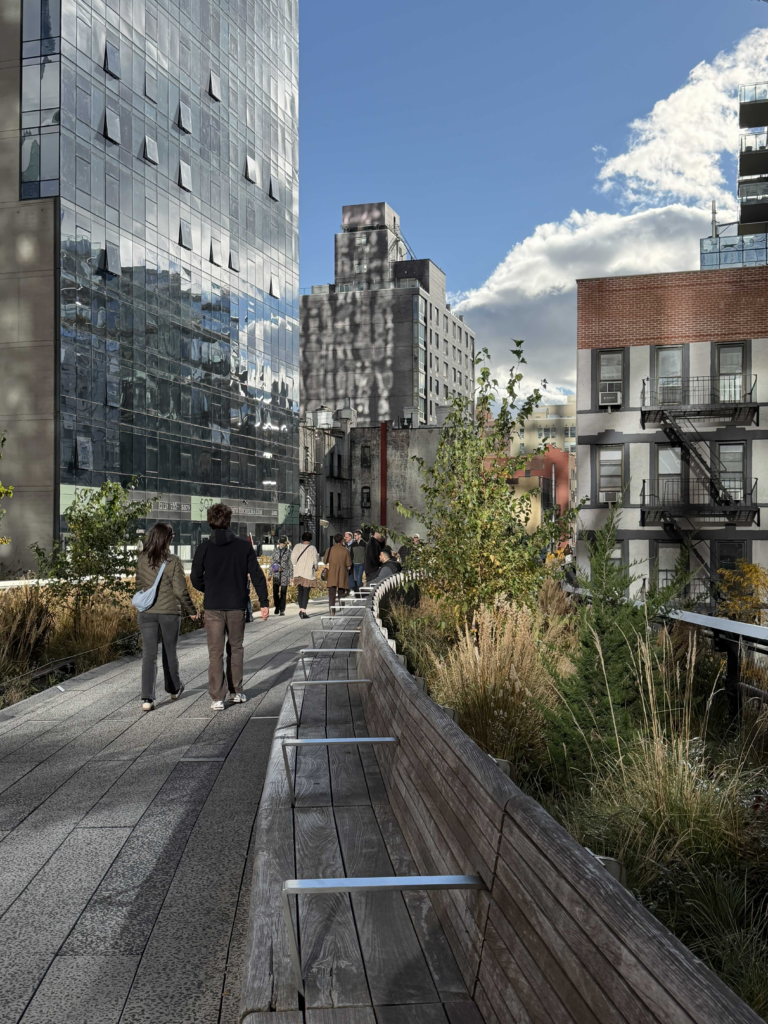
The High Line demonstrates how urban green spaces can improve everyday life in four important ways.
1. Better physical health
Attractive, accessible green routes encourage walking, exercise and outdoor activity. The High Line offers a welcome alternative to Manhattan's traffic-filled streets.
2. Improved mental wellbeing
Research consistently links access to green spaces with reduced stress and improved mood. Even short periods surrounded by nature can offer a valuable break from the intensity of urban life.
3. Stronger communities
Public parks create places where people can relax, meet and connect. Shared green spaces help make nature part of everyday life, rather than something experienced only on occasional trips to the countryside.
4. More urban biodiversity
The High Line's diverse planting provides food and shelter for birds, bees and other insects. Although it's a carefully maintained park rather than a fully rewilded ecosystem, it shows how wildlife-friendly design can flourish alongside urban infrastructure.
Five ways to bring the High Line home
You probably don't have an abandoned railway behind your house! But the principles behind the High Line can be applied almost anywhere, including small gardens, balconies and shared spaces.
1. Transform forgotten spaces
Identify an unused corner of your garden, communal area or neighbourhood. Replace unnecessary paving with wildlife-friendly planting, choosing species that provide nectar, pollen and shelter. Always seek permission before working on public or shared land.
2. Create a wildlife-friendly balcony
Even a few containers can support pollinators. Plant lavender, thyme, marjoram or compact wildflowers in peat-free compost. A sunny balcony can become a miniature urban nature reserve.
3. Let things grow a little wild
Reduce mowing in part of your garden during spring and summer. Allow wildflowers to establish naturally and leave some seedheads standing. Less intensive maintenance can create more opportunities for wildlife.
4. Build small wildlife habitats
Add a log pile, shallow pond, native hedge or sheltered patch of leaf litter. These features provide food, water and protection for insects, birds and other animals.
5. Get your neighbours involved
Talk to neighbours, residents' associations or local community groups about creating connected green spaces. Several small wildlife-friendly gardens can form valuable habitat corridors across a neighbourhood.
What can you do in November?
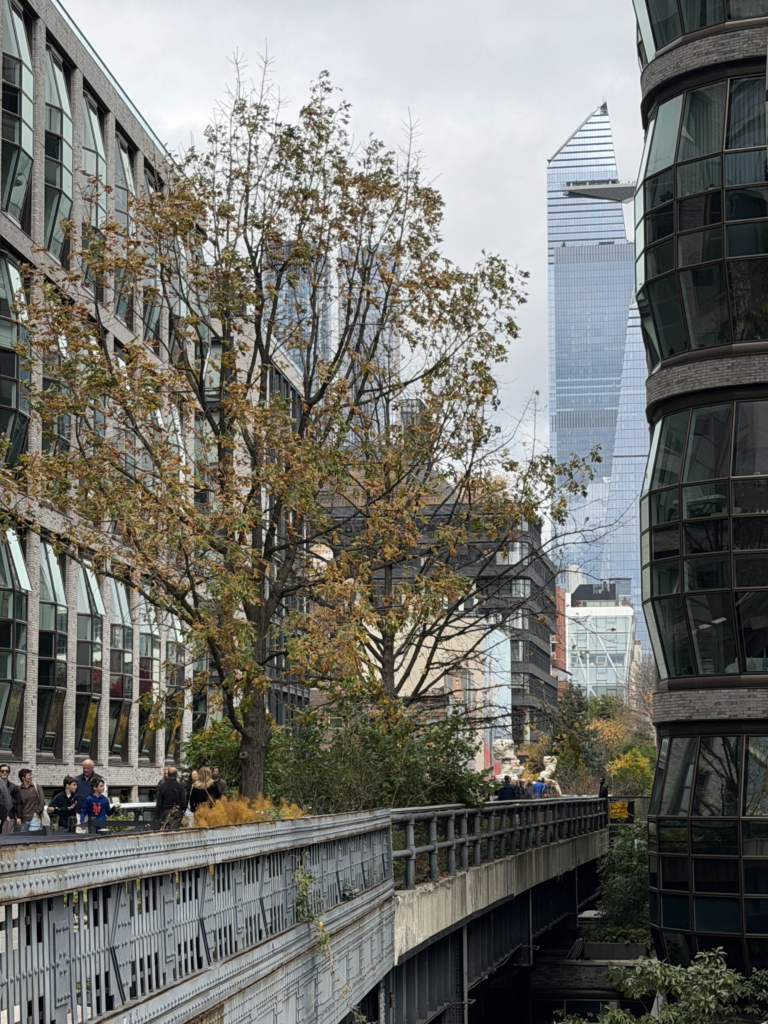
Autumn is a great time to prepare for a wildlife-friendly spring.
- Plant native trees and hedges: November is ideal for beginning bare-root planting when conditions are suitable.
- Leave some leaves: Leaf litter provides winter shelter for insects and other wildlife.
- Plant spring bulbs: Choose suitable wildlife-friendly bulbs to provide early flowers.
- Create winter habitats: Leave hollow stems, seedheads and log piles undisturbed.
- Plan ahead: Identify spaces where you can introduce more native plants next spring.
The aim isn't to stop maintaining outdoor spaces. It's to manage them in ways that give nature a better chance to thrive. At LettsSafari, we believe that everyone can contribute to nature recovery, whether through a balcony garden, community planting or supporting larger-scale habitat restoration.
Our approach is simple: start small, connect habitats and think bigger.
Make your own outdoor space more wildlife-friendly. Encourage neighbours and local organisations to do the same. And explore ways to support wider restoration projects that help biodiversity recover across our landscapes.
The High Line may be one of the world's most famous urban parks, but its biggest lesson is surprisingly simple.
A greener city isn't created by one spectacular park. It's created by making more room for nature everywhere.
And that can start right outside your door.
****************************************
Subscribe to LettsSafari
Support our rewilding parks, get exclusive content of our projects and even receive expert tips to transform your garden, community, public or work spaces into a wildlife haven.
🌱 For every 10 new subscribers we plant a tree a year.
🦔 For every 100, we release an endangered animal.
🌳 And for every 10,000 we create a new rewilding safari park a year!
Make A Difference: Together We Can Rewild To Restore Nature. Sign up TODAY!
****************************************
Frequently Asked Questions
What is urban rewilding?
Urban rewilding involves restoring natural habitats and ecological processes within towns and cities, helping wildlife thrive alongside people.
Can I rewild a small garden or balcony?
Absolutely. Pollinator-friendly plants, water sources and small wildlife habitats can all make a difference, even in limited spaces.
How does urban rewilding improve wellbeing?
Access to green spaces is associated with reduced stress, improved mood, increased physical activity and greater opportunities for social connection.
Is New York's High Line really rewilding?
Not strictly. It's a designed and managed park inspired by the wild vegetation that colonised the abandoned railway. However, its approach offers valuable lessons for wildlife-friendly urban design.
How can LettsSafari help me get involved?
LettsSafari encourages practical action to restore nature, from small-scale urban wildlife projects to supporting wider habitat restoration and biodiversity initiatives.
When is the best time to start rewilding in the UK?
Any time of year. Autumn and winter are particularly good for planting trees, establishing habitats and preparing for spring.
Turn reading into rewilding
You subscribe. We build parks. You safari.
£4.50 a month funds trees, wildlife and new rewilding parks — and brings you a weekly dispatch straight from the field.
Subscribe for £4.50/month